Every vote helps us continue serving Orange/Chatham County, and your support means the world to our local team.
20% OFF URB Trippin Gummies (Buy 2+) ~ Use Code: trippin20off
Buy 1 Bhumi, get 25% OFF your 2nd item ~ Use Coupon Code: bhumi25off
Get 5 items For 15% OFF – Mix & Sav ~ Use Coupon Code: bfcm15off

CBD for Pain: What’s Really Working for People (and Why) is a question many people ask when exploring natural options. CBD for Pain: What’s Really Working for People (and Why) often comes up when daily discomfort affects routines. This topic focuses on how CBD may fit into real-life pain support.
At Carolina Hemp Hut, people in Durham and Hillsborough, NC, often ask how CBD fits into their pain routines. Conversations in the Triangle area focus on matching products to real discomfort. That local insight helps shape clear and practical CBD education.
If you feel unsure about where to start, that’s completely normal. This article explains how CBD works, what types of pain people target, and what products make sense. You’ll also learn how to use CBD safely and shop with confidence.
CBD and How It Connects With Your Body
CBD works with systems that control pain, sleep, mood, and inflammation. It interacts with the endocannabinoid system, affects receptors tied to pain, and brings anti-inflammatory effects that matter.
Talking to the Endocannabinoid System (ECS)
The ECS keeps your body balanced, using endocannabinoids and enzymes to send signals about pain, mood, and immunity.
CBD doesn’t latch onto ECS receptors like other compounds. Instead, it raises your own endocannabinoid levels by slowing their breakdown. That shift can nudge pain and stress systems—no high involvement.
When you take CBD oil or a topical, absorption and timing change. Oils and tinctures enter your bloodstream more slowly than vaping, but reach everywhere. Topicals work where you rub them in, which can help sore joints or muscles.
What Cannabinoid Receptors Mean for Pain
Your body uses two main endocannabinoid receptors: CB1 and CB2. CB1 mostly hangs out in the brain and spine and shapes pain and movement. CB2 lives on immune cells and in tissues, linking to inflammation.
CBD doesn’t activate CB1 like THC does. Instead, it tweaks how receptors react and can boost endocannabinoids that bind to CB1 and CB2. This can lower pain signals and calm nerves nearby.
For local pain, topical CBD targets skin and tissue receptors. For widespread or nerve pain, oral CBD may help throughout the body. Always check third-party lab results and start low to see what works for you.
CBD’s Anti-Inflammatory Side
Inflammation brings pain, swelling, and stiffness. CBD can shift immune cell activity and lower inflammatory molecules in the target area.
This helps with arthritis, muscle soreness, or swelling from injury. A CBD balm can calm an inflamed joint, while oral doses might reduce inflammation body-wide over time.
Watch for drug interactions, especially with meds broken down by liver enzymes. Pick lab-tested, Farm Bill–compliant products and talk to your doctor if you’re on blood thinners or immune meds. Start low and see how your pain and swelling respond.
Types of Pain People Navigate
Pain can come and go or stick around for months. Sometimes it starts in nerves, sometimes in joints, or from body-wide inflammation. Knowing the type helps you choose the right CBD form and approach.
Chronic Pain Journeys
Chronic pain lasts months or years, often from back problems, fibromyalgia, or old injuries. It can mess with sleep, mood, and daily life. Most people look for steady relief, not quick fixes.
People often use oral CBD (tinctures or capsules) for chronic pain to keep levels steady. Start with 5–10 mg and track how you feel for a week before adjusting. Check product COAs for potency and safety.
Combine CBD with pacing, gentle stretching, and sleep routines. If you’re on other meds, especially blood thinners or seizure drugs, check with your provider first.
Neuropathic Pain: Nerves in the Spotlight
Neuropathic pain comes from damaged or irritated nerves. It can feel like burning, shocks, pins-and-needles, or numbness. Diabetes, chemo, and nerve compression are common causes.
CBD may help calm nerve signals and lower sensitivity for some. People use oral CBD for widespread nerve pain and topicals for targeted spots. Track what kind of pain you have and if it changes with use.
Watch for interactions with nerve meds. Always tell your doctor about your CBD and bring the COA. Be careful with driving or machinery until you know how CBD affects you.
Arthritis Pain and Everyday Movement
Arthritis pain hits joints—knees, hips, hands, and shoulders. Expect stiffness, less movement, and morning aches that ease up with activity. Joint pain can make walking, dressing, or hobbies tough.
Topical CBD creams and balms target joint relief. Rub them into the sore area and reapply as needed. Full- or broad-spectrum products with COAs are common; pick broad-spectrum or isolate if you need to avoid THC for work or testing.
Pair topicals with exercise, weight management, and therapy. Test a small skin patch first. If you’re on anti-inflammatories or have big swelling, check with your doctor about interactions.
The Role of Inflammatory Pain
Inflammatory pain comes from an immune response—think tendonitis, swollen joints, or injury flare-ups. You might see redness, heat, or swelling with pain. Reducing inflammation usually brings more comfort and movement.
Oral CBD can help with body-wide inflammation, while topicals target swelling in one spot. Some folks use both: a daytime tincture for overall effect and a topical for sore areas. Look for lab-tested products and start low, increasing slowly.
Use CBD as part of a plan—rest, ice or heat, and anti-inflammatory habits like good eating and pacing. If inflammation follows infection or new meds, talk to your doctor before trying CBD.
Sorting Through CBD Products for Pain Relief
Pick products that list CBD amounts, show a third-party COA, and say if they’re hemp-derived or have THC. Think about where your pain is, how fast you want relief, and if you worry about drug tests.
What’s the difference between full-spectrum, broad-spectrum, and isolate CBD?
The difference between full-spectrum, broad-spectrum, and isolate CBD is based on cannabinoid content and THC presence, says the U.S. Food and Drug Administration (FDA). Full-spectrum includes THC, broad-spectrum removes THC, and isolate contains only CBD. This helps people choose the right product.
CBD Oils and Their Uses
CBD oils (tinctures) let you measure mg per dropper. Take them under your tongue for faster effects or swallow for longer, steadier relief. Oils come as full-spectrum (trace THC), broad-spectrum (no THC), or isolate (just CBD).
Use oils for widespread pain, like back or chronic nerve discomfort. Start low—5–10 mg—and increase slowly while tracking effects. Look for labels showing mg/mL and a COA for safety. Keep bottles away from heat and sunlight.
Gummies and Capsules for Easy Dosing
Gummies and capsules give fixed doses, so you know exactly how much CBD you’re getting. They’re handy for simple, repeatable dosing at work or on the go. Expect a slower start—45–90 minutes—since they go through digestion, but effects last longer.
Pick products labeled for pain or daily support, and check mg per serving. Broad-spectrum or isolate gummies lower THC risk if you need to avoid drug tests. Watch for added sugars or botanicals and confirm lab results. Many people pair a morning capsule with a topical for sore spots.
Sprays, Tinctures, and What Makes Them Special
Oral sprays and tinctures deliver CBD through your mouth lining, so they work faster than pills. Sprays measure mg per spray and are good for micro-dosing if you want flexible control. Tinctures are similar to oils but might use different carriers or flavors.
Pick sprays if you want faster relief than gummies but still want measured dosing. Check concentration and suggested sprays per dose. Always check lab testing and stick to “start low, go slow.” If you’re on other meds, talk to your doctor before adding sprays or tinctures.
Topicals: Balms, Creams, and On-the-Spot Comfort
Topical CBD lets you put relief right where you feel pain. Here’s how topicals work, what menthol and camphor add, and how gels and salves differ so you can pick what fits.
Understanding CBD Topicals
Topical CBD stays on the skin and doesn’t reach your bloodstream in meaningful amounts. It binds to cannabinoid receptors near the skin and may cut local inflammation and pain perception.
Look for “lab-tested,” “hemp-derived,” and “Farm Bill–compliant” on labels so you know potency and safety.
Check ingredients for carrier oils (like coconut or hemp seed) and any extra pain-relief agents. If you use medication or have sensitive skin, test a small patch first and talk to your doctor. Always buy from brands that publish third-party COAs.
CBD Pain Creams—With Menthol and Camphor
Menthol and camphor add cooling and warming sensations that distract from pain. Menthol cools by activating cold receptors, while camphor gives a warm, tingly feel. Together with CBD, these can bring fast, targeted comfort.
Use creams for joints, knees, shoulders, or bigger areas. Apply a thin layer and rub it in. Avoid broken skin and keep away from eyes or sensitive spots. If you get irritation or a rash, stop using it. Start with a small amount and increase slowly to see what helps your pain best.
Gels, Salves, and Other Targeted Helpers
Gels absorb fast and feel lighter on the skin. They’re good for sports strains, tendon pain, or spots where you don’t want greasy residue. Salves and balms are thicker and seal in ingredients and moisture. Go for a balm if you want longer contact or more moisture.
Check labels for CBD concentration (mg per container or pump). Compare textures and ingredients—gels often use alcohol or water for quick drying; salves use waxes and butters for lasting coverage.
For targeted relief, try roll-ons, sticks, or small tubes you can carry and apply right where you need them.
Full-Spectrum, Broad-Spectrum, or Isolate: What’s in the Bottle?
Pick your product based on what’s inside—whether it has lots of hemp compounds, some without THC, or just pure CBD. Think about drug testing, THC sensitivity, and if you want extras like CBG, CBC, or CBN.
Full-Spectrum & the Entourage Effect
Full-spectrum CBD packs in CBD plus other natural cannabinoids and plant compounds. That usually means tiny THC amounts (under 0.3% for hemp), plus CBG, CBC, CBN, and terpenes. Some say these work together for an “entourage effect”—the mix might feel different than CBD alone.
If drug tests or legal limits worry you, watch for trace THC. Always check the product’s COA for exact THC content and lab results. Start low, go slow, and ask your doctor if you have medical questions.
When to Choose Broad-Spectrum
Broad-spectrum CBD gives you many hemp compounds but removes detectable THC. You still get CBG, CBC, and terpenes, which might help the overall effect, but no THC shows up on lab tests. It’s a solid middle ground if you want more than isolate but need to skip THC for work or testing.
Look for COAs that say “non-detectable THC.” Also, check extraction methods and third-party tests for safety. If you’re new to hemp, try a small dose and watch your body’s reaction over several days.
CBD Isolate: Simple and Pure
CBD isolate gives you pure CBD, stripped of other cannabinoids, terpenes, or THC. You get a product that’s easy to predict and carries the lowest risk of showing up on a drug test. It works well if you just want CBD and like a basic ingredient list.
Since it doesn’t have CBG, CBC, CBN, or terpenes, isolate can feel different compared to full- or broad-spectrum types.
Go with isolate if you want clear labeling, react strongly to THC, or need to mix CBD into other things without changing the taste or smell. Double-check lab reports and stick to the “start low, go slow” method.
How to Shop Smart and Use CBD Safely
Pick products with clear labels. Start with a low dose. Check third-party lab results before you buy. Know your local laws around CBD for pain. Pay attention to potency, legality, lab testing, and talk to a healthcare pro if you’re unsure.
Understanding Potency and Dosing
Read the label for CBD strength, shown as mg per bottle and mg per serving. If a 30 mL tincture says 600 mg CBD, you get 20 mg per mL. Use that to measure your dose. Start with 5–10 mg once a day for a few days, then bump it up by 5–10 mg if you need more.
Track your pain, sleep, and any side effects in a simple notebook so you catch any changes. Pick your delivery style by need—tinctures for steady effects, topicals for sore spots, and capsules for longer dosing.
Watch for extra cannabinoids. Full-spectrum might have trace THC that could show up on a drug test. If you take prescription meds, especially blood thinners or seizure meds, check for interactions before increasing CBD.
Legal Considerations and Compliance
Hemp-derived CBD with less than 0.3% Delta-9 THC is legal federally, but states set their own rules. Check your state and local laws before you buy or travel with CBD.
Check for age limits—lots of sellers want you to be 21 or older. Don’t carry hemp into places that ban it. If you work in jobs with drug tests or safety rules, use broad-spectrum or isolate and make sure the COA shows no detectable THC.
Look for “Farm Bill-compliant” or “hemp-derived” labels and keep receipts and COAs with your product. That can help if you need to prove what’s in it or that it’s legal.
Third-Party Lab Testing and COAs
Always read the Certificate of Analysis (COA) from an independent lab. The COA should show CBD strength, minor cannabinoids like CBG, Delta-9 THC, and check for pesticides, heavy metals, and solvents.
Match the batch number on the COA to your product. If the COA is missing, doesn’t match, or is older than your batch, skip it. Prefer COAs from accredited labs and check that the cannabinoid profile matches the label.
Here’s a quick COA checklist:
- Batch number matches your product
- CBD mg per serving matches the label
- Delta-9 THC is under 0.3% (for hemp)
- No unsafe contaminants. If something seems off, ask the seller or just pick another product.
Responsible Use and Talking to Professionals
Let your healthcare provider know you want to use CBD. Bring the product label and COA with you. Your provider can look for drug interactions and suggest if you should change your dose or watch for side effects.
Start with a low dose and increase slowly. Keep a simple diary for a week or two—write down the dose, time, and your pain level. Don’t drive or use heavy machinery until you’re sure how CBD affects you.
Keep taking your prescribed medications unless your doctor tells you to stop. If you have liver disease, are pregnant, or breastfeeding, skip nonprescription CBD unless your clinician says it’s okay. Need a quick answer about interactions? Ask a pharmacist—they’re usually glad to help.
What CBD for Pain Really Comes Down To
CBD for pain comes down to consistency, realistic expectations, and choosing the right product. It’s not about instant relief, but about finding what fits your routine over time. Paying attention to how your body responds helps guide better decisions.
At Carolina Hemp Hut, people in Durham, NC, and the Triangle area focus on matching CBD to real-life routines. That approach keeps the conversation grounded in practical use, not trends. Education stays centered on helping people choose clearly and responsibly.
If you are exploring CBD for pain, start low and increase slowly based on your response. Pay attention to how your body reacts and adjust your routine as needed. When in doubt, talk to a healthcare professional before making changes.
Frequently Asked Questions
Does CBD help with pain?
Yes, CBD helps with pain by supporting how the body processes pain signals and inflammation. Results vary depending on the person and the consistency of use.
How long does CBD take to work for pain?
CBD takes about 15 to 45 minutes when taken as oil and 45 to 90 minutes when taken as edibles. Timing depends on the product type and your metabolism.
Can CBD show up on a drug test?
Yes, CBD can show up on a drug test if the product contains trace THC. Full-spectrum products carry more risk than broad-spectrum or isolate.
Which CBD type is best for pain?
Full-spectrum CBD is often chosen for pain because it includes multiple cannabinoids. Broad-spectrum and isolate are options for those avoiding THC.

Our Products
-
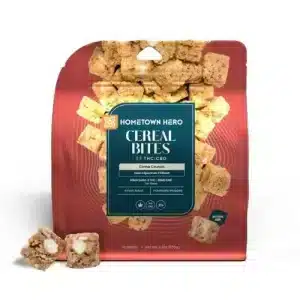
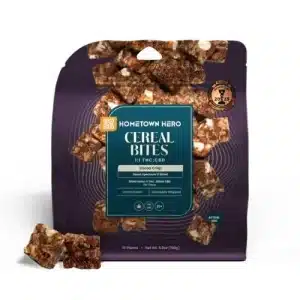
Hometown Hero Cereal Bites Cinna Crunch | Delta-9 THC + CBD
-
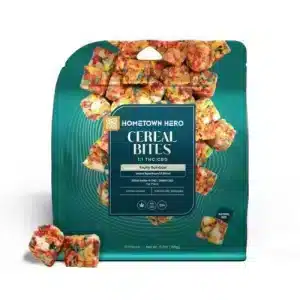
Hometown Hero Cereal Bites Fruity Rainbow | Delta-9 THC + CBD
-
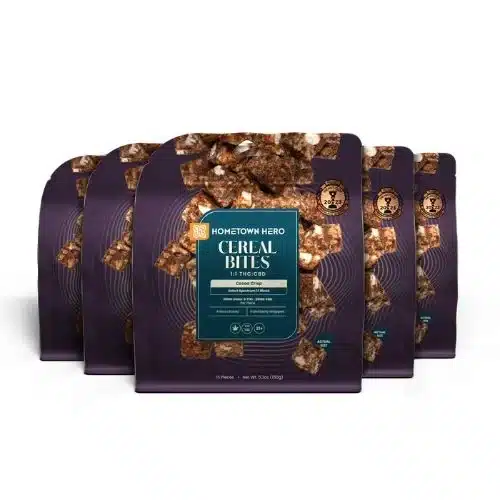
Hometown Hero Cereal Bites Cocoa Crisp | 1:1 Delta-9 THC + CBD
-
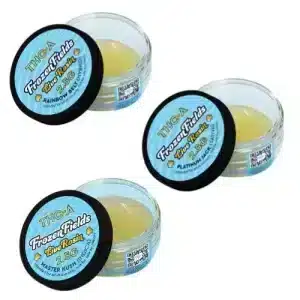
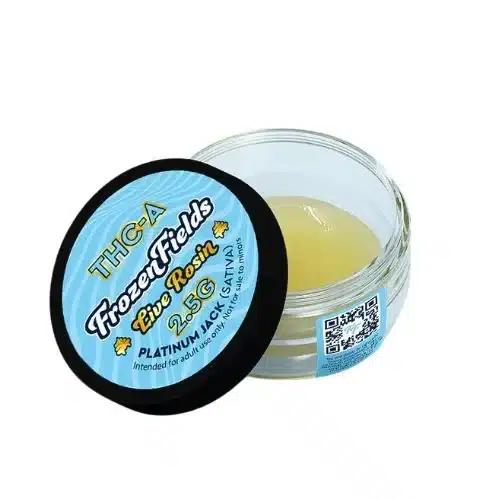
Frozen Fields THCA Live Rosin | 2.5g Solventless Concentrate
ConcentratesFrozen Fields THCA Live Rosin | 2.5g Solventless Concentrate
$49.95 Select options This product has multiple variants. The options may be chosen on the product page