Every vote helps us continue serving Orange/Chatham County, and your support means the world to our local team.
20% OFF URB Trippin Gummies (Buy 2+) ~ Use Code: trippin20off
Buy 1 Bhumi, get 25% OFF your 2nd item ~ Use Coupon Code: bhumi25off
Get 5 items For 15% OFF – Mix & Sav ~ Use Coupon Code: bfcm15off

High-THCA flower has become the go-to for people seeking strong, hemp-compliant potency. It looks and smells like cannabis but stays legal until heated. Potency can reach 30–40 % THCA in some strains, creating powerful effects once decarboxylated.
At Carolina Hemp Hut, we see education as protection. Our team helps customers understand what high-THCA labeling means, how to verify potency, and which lab results prove product safety. We make legality and learning part of every shopping experience.
This guide explains what makes THCA flower so potent, how to read a Certificate of Analysis, and which strains lead the market. You’ll also learn safe ways to compare products, calculate real potency, and stay within hemp law.
What Is THCA Flower?
THCA flower is cannabis buds with high amounts of THCA instead of active Delta‑9 THC. Growers dry and store these plants to keep THCA intact, so the flower stays non‑psychoactive until heated.
THCA vs. Delta-9 THC
THCA (tetrahydrocannabinolic acid) is the natural, acidic form of THC in the living plant. It doesn’t cause a “high” because it doesn’t bind strongly to the brain’s CB1 receptors. Delta‑9 THC forms when THCA loses a carboxyl group, making it psychoactive.
Read lab reports for THCA and Delta‑9 THC numbers. THCA is listed as a percent of dry weight. When heated, about 87–88% of THCA turns into Delta‑9 THC, so high THCA percentages predict stronger effects after smoking or vaping.
THCA and THC Have Distinct Biological Actions
According to the National Center for Complementary and Integrative Health (NCCIH), THCA is the acidic form of THC and doesn’t activate brain receptors that cause intoxication. It’s only after decarboxylation that THC binds effectively to the CB1 receptor. This biochemical distinction explains why raw hemp can be legally sold yet feels potent after heating.
Raw THCA and Decarboxylation
Raw THCA is present in fresh and properly cured flower. Eating raw buds or using cold extractions gives you mostly THCA’s non‑intoxicating effects, like possible anti‑inflammatory and anti‑nausea benefits, though evidence is limited.
Decarboxylation is the heating step that removes CO2 from THCA and turns it into Delta‑9 THC. Smoking, vaping, dabbing, or baking triggers this. Different methods and temperatures affect how much THCA converts, so the final THC level depends on how you consume the flower.
THCA Hemp Flower Explained
THCA hemp flower is grown to maximize THCA while keeping Delta‑9 THC below legal hemp limits (usually 0.3% Delta‑9 by dry weight). Farmers use genetics, harvest timing, and careful drying to meet these targets. Always check a Certificate of Analysis (COA) to confirm both THCA and Delta‑9 values.
THCA hemp can be sold in many places because it’s not high in Delta‑9 until heated. Laws vary by state and country, and some treat high‑THCA products like controlled THC products once activated. Always verify lab results and local law before buying or using THCA hemp flower.
How THCA Potency Is Measured
Labs measure the percentage of THCA in a sample, showing the weight of THCA per gram. Genetics, testing methods, and how the plant was grown all affect that number.
THCA Percentage and Its Impact
THCA percentage is the main number on a label or certificate of analysis (COA). It shows the mass of THCA as a percent of the dry flower. For example, 25% THCA means 25 grams of THCA per 100 grams of dried bud.
When you heat the flower, THCA converts to Delta-9 THC at about 87.7% efficiency. That means a 30% THCA flower will yield less actual THC than the raw percentage suggests.
Look at third-party lab COAs for accurate results. Labs use chromatography (GC or HPLC) to measure cannabinoids. HPLC gives a truer THCA potency reading because it measures THCA without forcing conversion.
Role of Strain Genetics
Strain genetics set the baseline for how much THCA a plant can produce. Some cultivars are bred specifically for high-THCA traits. If a strain’s parents test high, offspring are more likely to test high too.
Genetics influence the enzymes that make THCA. Consistent high-potency THCA comes from breeders who stabilize those traits over multiple generations. Seeds or clones from reputable breeders reduce variability.
Check breeder data and historical COAs. If a strain consistently shows 30%+ THCA across tests, genetics are likely responsible. Always verify each batch with a COA before trusting its potency.
Influence of Growing Conditions
Growing conditions can raise or lower THCA levels even in strong strains. Indoor cultivation gives the most control over light, temperature, humidity, and nutrients, often leading to higher THCA percentages compared with outdoor grows.
Key factors include light intensity, proper nutrients, and harvest timing. Harvesting too early or too late can lower THCA yield. Stress from pests or inconsistent watering also reduces potency.
If you want high-potency THCA, ask sellers about cultivation methods. Prefer indoor-grown flower when available, and look for batch-specific COAs that match the grow method and harvest date.
Strongest High THCA Flower Strains
High-THCA flowers can reach 28% THCA and above. You’ll find sativas, hybrids, and specific examples like Future Haze and Gelato that test very high in lab reports.
Most Potent Sativa Strains
Sativa-leaning strains often give a clear, energetic lift. Future Haze is a top example, reported near 40% THCA in some lab tests. For a daytime buzz and strong cerebral effects, choose sativa strains with verified COAs.
Look for terpene notes like citrus, pine, or earth that match the energetic profile. Expect a lighter body effect and stronger head effect compared with indica types. Start with small amounts if you’re new to high-THCA sativas.
Hybrid Strains With High THCA
Hybrids combine sativa and indica traits, offering both focus and body ease. Strains like Gelato and some GG4 variations show strong THCA readings with balanced effects. Hybrids often reach 30%+ THCA when bred for potency.
You’ll get mixed aromas—sweet, creamy, or diesel—depending on genetics. Hybrids suit those who want powerful potency without being locked into a purely head- or body-heavy experience. Always check third-party lab results before buying.
Popular High-THCA Flower Examples
Here are real examples you may find in dispensaries or online:
- Future Haze — around 40% THCA; energetic, citrusy.
- Secret Cookies / Gelato — often near 30–39% THCA; sweet and creamy.
- Greasy Zkittles and Exotic Vanilla Frosting — tested 33–36% THCA; fruity/vanilla notes.
- GG4 and Blue Dream (high-THCA phenos) — can test high when grown for potency.
- Zoap and Arete — boutique cultivars with lab-backed high THCA.
Tips for buying:
- Ask for the COA to confirm the percent THCA.
- If a label claims 28% THCA or higher, verify lab data.
- Start small and note how a strain affects your focus and body.
Understanding Terpene Profiles & Effects
Terpene profiles tell you what a high-THCA flower will smell like and how it may affect you. They list the main terpenes and their amounts, helping you pick a strain for sleep, focus, or mood.
Key Terpenes in High-THCA Flower
Myrcene is common in many high-THCA strains, giving an earthy, musky scent and relaxing effects. Look for higher myrcene if you want calming or sleep-supportive options.
Limonene adds bright citrus notes and tends to feel uplifting. Strains rich in limonene can help with mood and daytime use, giving a clear lemon or orange aroma.
Other terpenes to watch include caryophyllene (spicy, may ease inflammation) and pinene (piney, may boost alertness). Check the terpene profile to see which ones dominate and how they pair with your desired effect.
How Terpene Profiles Shape Experience
Terpene profiles change the sensory and subjective effects of THCA flower. Two flowers with the same THCA level can feel very different if one is myrcene-dominant and the other is limonene-rich.
Terpenes interact with cannabinoids to create the entourage effect, which can alter potency and direction of effects. For example, myrcene-heavy profiles may amplify sedation, while limonene-rich ones can make the experience feel brighter and more energetic.
Read lab reports or product pages for precise terpene percentages. Small differences in terpene ratios can produce noticeable changes in aroma and how the flower affects your mood and focus.
Matching Effects to Strain Selection
Decide what you want before you choose: relaxation, energy, or pain relief. Use the terpene profile to match the strain to that goal.
If you need sleep or deep relaxation, favor strains high in myrcene and humulene. For daytime use or mood lift, pick limonene-dominant profiles. For pain relief, look for caryophyllene combined with moderate myrcene.
Check labels for terpene percentages and compare strains. Try small amounts first to learn how each profile affects you, then pick the terpenes that consistently give your desired results.
Lab Testing and Quality: Certificates of Analysis
Expect clear lab results showing exact THCA percentages, Delta‑9 THC levels, and safety screens for pesticides, heavy metals, and microbes. A proper COA ties a specific batch number to testing dates and lab accreditation so you can verify the sample matches what you buy.
Importance of Third-Party Lab Testing
Third‑party lab testing means an independent lab—not the grower—analyzes the sample. This reduces bias and gives you a more trustworthy COA that lists who tested the product, when, and the lab’s accreditation.
Trust COAs that include batch or lot numbers and sample collection dates. Those details let you match the report to the flower in your hand. Labs should report THCA, Delta‑9 THC, and total potential THC, plus results for pesticides, residual solvents, heavy metals, and microbial contaminants.
Red flags include missing lab names, no dates, or a COA that looks generic. If a COA lacks a batch number or skips safety panels, ask the seller for a better report or choose another product.
How to Read a Certificate of Analysis
Start with the sample info: batch number, harvest date, and testing date. Make sure these match the product labeling so the COA applies to the exact flower you plan to buy.
Check the cannabinoid table for THCA and Delta‑9 THC. Total potential THC is calculated by converting THCA (0.877 factor) and adding Delta‑9 THC. This shows the maximum psychoactive THC the flower could produce when heated.
Review the safety sections next. Pesticide and heavy metal results should show “ND” (not detected) or values below legal limits. Microbial screens list counts or “pass/fail.” Terpene profiles, if included, explain aroma and may help predict effects.
Why COAs Matter for Potency and Safety
COAs let you compare products by exact numbers instead of marketing claims. You can choose a flower with a THCA percentage that fits your needs and confirm total potential THC stays under legal limits when required.
Safety testing protects you from contaminants like pesticides, lead, cadmium, and mold. A full COA shows whether a product passed those screens.
Buying and Using High THCA Flower
High-THCA flower can be very potent, so focus on lab results, clear product images, and honest strain info when you shop. Choose a consumption method that matches your experience: smoking and pre-rolls are simple, dabbing gives stronger effects, and know how other cannabinoids may change the outcome.
How to Buy Potent THCA Flower Online
Look for third-party lab reports showing THCA and delta‑9 THC percentages. Check the Certificate of Analysis for cannabinoids, pesticides, and residual solvents. If the COA is missing, consider another seller.
Buy from vendors that list strain genetics, harvest date, and grow method. Fresher harvests usually mean stronger THCA. Read real customer photos and reviews for bud structure and terpene notes.
Watch the package size and price per gram. Small growers may charge more but often offer rare high‑THCA strains. Use secure checkout, check return policies, and confirm shipping rules for your state.
Best Ways to Consume: Smoking, Dabbing, Pre-Rolls
Smoking flower in a pipe or joint gives a predictable onset and control. Grind evenly, use a screen or roach to avoid clogging, and take small hits until you know the strength.
Dabbing THCA concentrates gives a fast, intense effect because heat converts THCA to active THC. Use a proper rig, thermometer, and small dabs. If you’re new, start with a very small amount and wait between hits.
Pre-rolls offer convenience and consistent dosing if made by a reputable brand. Look for pre-rolls that list THCA percent and weight. Avoid unknown pre-rolls with very low prices or vague labeling.
If you also use other cannabinoids, know that they can change effects. Combining them with high THCA can intensify psychoactive effects. Start with tiny doses when mixing cannabinoids.
Legal Considerations & Tips for Safe Use
Check federal and state laws before buying. High-THCA products can be legal if delta‑9 THC meets Farm Bill limits, but some states ban THCA flower specifically. Confirm local rules to avoid fines or confiscation.
Store your flowers in a cool, dark, airtight container away from kids and pets. Keep lab reports and receipts in case you need to prove compliance or for product questions.
Avoid driving or operating heavy machinery after use. If you have health conditions or take medications, talk to a healthcare provider first. When trying a new vendor or strain, test a small amount to learn how your body reacts.
Choosing Strong THCA Flower Safely
High-THCA flower shows how far hemp genetics have advanced. These buds deliver remarkable potency once heated but remain compliant in their raw form. Understanding lab results, strain genetics, and local law keeps your experience safe and predictable.
At Carolina Hemp Hut, we encourage curiosity with caution. We help newcomers and seasoned users read COAs, identify trusted growers, and learn how hemp strength aligns with responsibility. Our focus is education, not excess.
Before you buy, confirm your state’s rules, inspect lab data, and start with small amounts. Visit our Hillsborough shop for guidance, or explore high-THCA strains online to discover quality backed by transparency.
Frequently Asked Questions
You’ll find strain names, visual and lab checks to spot top flower, trusted brands that publish COAs, and buying tips to save money without sacrificing safety. The answers tell you what to look for in appearance, testing, and packaging so you can choose strong, clean THCA flower.
What are the top-rated strains for high THCA content?
White Soho, Jet Fuel, and Papaya Punch often appear in lab-tested lists for high THCA. Look for strains with THCA reported in COAs above typical hemp averages. Ask retailers for batch COAs and harvest details before buying.
How can I identify the highest quality THCA flower on the market?
Check the COA for full cannabinoid and pesticide panels from an accredited lab. Focus on THCA number, total cannabinoids, terpene profile, and absence of contaminants. Inspect buds for milky trichomes, strong aroma, and tight bud structure. Avoid grassy smell, dark ash, or sticky residue.
Which THCA flower brands are known for their potency and purity?
Choose brands that publish full-panel COAs for each batch. Look for indoor or controlled-environment growing, no PGRs, and hand-trimmed harvests. If a brand won’t share lab reports, don’t buy from them.
Are there any tips for finding the best deals on high THCA flower products?
Watch brand newsletters and social channels for batch drops and sales. Buy larger quantities only if the seller offers recent COAs and storage guidance. Compare price per gram using verified potency numbers. Check return policies and third-party reviews before buying.
What should consumers look for when seeking the strongest THCA flower available?
Prioritize lab-verified THCA percentage and full cannabinoid profile over flashy packaging. Balance high THCA with terpenes and minor cannabinoids for a better experience. Confirm testing date and lab accreditation. Choose a flower with clear harvest and curing notes from the producer.
How do industry standards impact the labeling of THCA percentages in flower products?
Labs use different methods and detection limits, creating variability between COAs. State regulations vary, so labels might report THCA, total THC equivalents, or only delta-9 THC.
Reliable brands list the testing lab name, date, and method on each COA. This transparency lets you compare results and avoid mislabeled or contaminated products.

Our Products
-
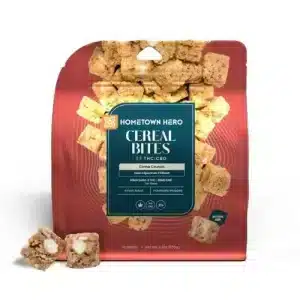
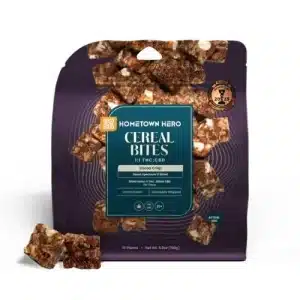
Hometown Hero Cereal Bites Cinna Crunch | Delta-9 THC + CBD
-
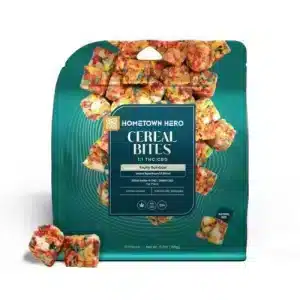
Hometown Hero Cereal Bites Fruity Rainbow | Delta-9 THC + CBD
-
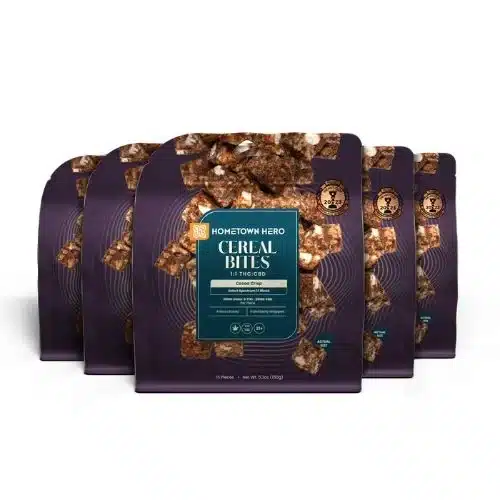
Hometown Hero Cereal Bites Cocoa Crisp | 1:1 Delta-9 THC + CBD
-
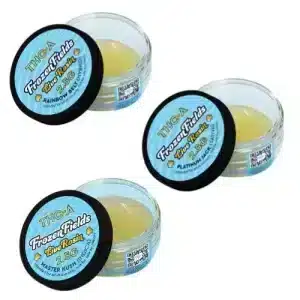
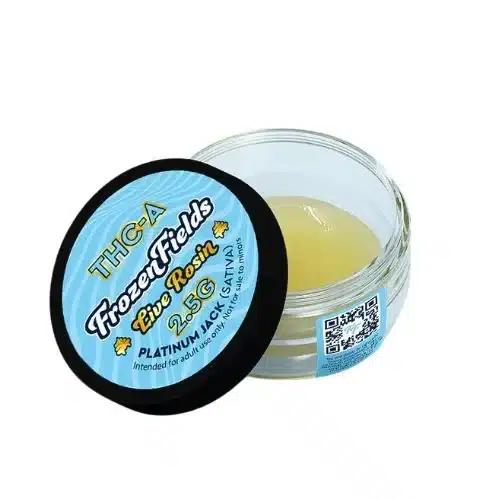
Frozen Fields THCA Live Rosin | 2.5g Solventless Concentrate
ConcentratesFrozen Fields THCA Live Rosin | 2.5g Solventless Concentrate
$49.95 Select options This product has multiple variants. The options may be chosen on the product page