Every vote helps us continue serving Orange/Chatham County, and your support means the world to our local team.
20% OFF URB Trippin Gummies (Buy 2+) ~ Use Code: trippin20off
Buy 1 Bhumi, get 25% OFF your 2nd item ~ Use Coupon Code: bhumi25off
Get 5 items For 15% OFF – Mix & Sav ~ Use Coupon Code: bfcm15off

THCA flower for pain is something many people explore when looking for plant-based ways to manage discomfort. It is often used for inflammation, muscle soreness, and day-to-day aches without strong intoxication.
At Carolina Hemp Hut, THCA flower is often chosen as part of a broader approach to managing discomfort and staying active. People commonly use it alongside habits like stretching, rest, and recovery routines. This helps connect product use to practical, everyday needs.
If you are unsure whether THCA flower is right for you, that is completely normal. This article explains how it works, what types of pain it may support, and how to use it safely. You will also learn how to use it responsibly and what to look for in quality products.
THCA Flower and Everyday Discomfort
THCA flower could support daily aches without the high. Here’s how it differs from THC and other cannabinoids, why people seek non-psychoactive options, and what draws attention for chronic pain.
How THCA Differs from THC and Other Cannabinoids
THCA (tetrahydrocannabinolic acid) is the raw form of THC found in fresh cannabis plants and THCA flower. It won’t make you feel high unless heat converts it to THC through decarboxylation.
So, if you use raw or cold-extracted THCA, you get cannabinoid effects without intoxication. CBD and other cannabinoids act on different body systems and don’t cause a high either.
THCA binds less directly to the brain’s CB1 receptors than THC. That’s important if you want relief but need to stay clear-headed for work, parenting, or driving. Always check lab tests (COAs) to confirm potency and that products are Farm Bill–compliant and 21+.
The Rise of Non-Psychoactive Pain Relief
More people want pain options that don’t cloud the mind. Non-psychoactive cannabinoids like THCA and CBD let you try plant support without impairment. You can use THCA flower as a topical, tincture, or smoked/vaped raw bud, but remember: heating turns THCA into THC.
Producers now offer lab-tested, full-spectrum THCA with clear dosing info. That helps you pick safer products and avoid surprises on drug tests. If you’re trying THCA, start low and go slow. Ask your healthcare provider about possible medication interactions.
Why People Are Talking About THCA for Chronic Aches
People with chronic pain get curious about THCA because it may support comfort without the high from THC. Some mention less stiffness and better mobility when they add THCA to their routine. THCA’s appeal comes from being a raw cannabis option that fits daytime use or work schedules.
Be realistic: evidence is still coming in, and researchers haven’t proven THCA cures pain. Your experience will vary by product, dose, and terpene profile. Pick lab-tested THCA flower, know if it’s live or dried bud, and talk to a clinician if you have chronic conditions or take prescriptions.
How THCA Flower Interacts with the Body
THCA works with your body’s own signaling system, influencing pain, inflammation, and nerve health. Here’s how certain receptors respond and why THCA feels different than THC.
The Endocannabinoid System and Pain Perception
Your endocannabinoid system (ECS) helps control pain, mood, and immune responses. It uses signaling molecules called endocannabinoids that bind to receptors in your brain, spinal cord, and immune cells.
When you use THCA flower, THCA and other cannabinoids interact with the ECS indirectly. They may change how your body makes or breaks its own endocannabinoids, which can shift pain signals sent to your brain.
This can affect both sudden pain (like a sprain) and ongoing pain (like nerve or joint pain). The ECS acts like a dimmer switch for pain. Small changes in ECS activity can lower pain intensity. Lab testing and clear dosing help you track what works for you.
CB1 and CB2 Receptors Explained
CB1 receptors mostly sit in the brain and spinal cord, influencing pain, movement, and mood. When THC activates CB1, you get a high, but THCA, being non-psychoactive, interacts differently.
CB2 receptors are mainly on immune cells and in other tissues, playing a bigger role in inflammation and immune response. When cannabinoids affect CB2, you might notice less swelling or eased joint discomfort.
THCA doesn’t bind strongly to CB1 as THC does. It may act on CB2 or tweak receptor signaling indirectly. That indirect action could still support pain relief without intoxication. Try lab-tested products and start low to see how you respond.
THCA’s Role in Inflammation and Nerve Health
Early studies show THCA may be anti-inflammatory and possibly neuroprotective. Anti-inflammatory means it might help lower chemical signals that cause swelling and pain. Neuroprotective means it could help protect nerve cells from stress or damage.
For nerve pain, small studies suggest cannabinoids might support nerve health and ease irritation that drives chronic pain. THCA’s effects on inflammation and nerve signaling could help with joint pain or neuropathy, but the science is still new.
THCA may support these processes, but it’s not a cure. Pick lab-tested THCA flower, follow dosing guidance, and check with your provider if you have health issues or take other meds.
Choosing Your THCA Flower: Strains, Terpenes & Quality
Pick a strain that matches the relief you want. Check terpene notes, cannabinoid totals, and lab reports to judge how a flower might work for pain and comfort.
Indica, Sativa, or Hybrid—What’s Right for You?
Indica-leaning strains usually feel more calming and can help relax tense muscles or help you unwind at night. If pain wakes you at bedtime, try an indica or indica-heavy hybrid.
Sativa-leaning strains tend to feel more uplifting and may help you stay active while managing mild pain during the day. Go for a sativa or sativa-dominant hybrid when you need energy with symptom support.
Hybrids mix both. Look for notes listing effects (like “relaxing but clear”). Check cannabinoid content for THCA percentage and total cannabinoids; that helps predict potency and duration. Start low and go slow to see what fits.
Why Terpene Profiles Matter for Comfort
Terpenes shape aroma and can influence how a strain feels. Myrcene often pairs with sedating effects and may boost relaxation. Caryophyllene binds to inflammation-related receptors and may support comfort without a high.
Limonene offers citrus notes and feels uplifting, while linalool gives a floral scent and is often linked with calm.
Read product descriptions for terpene percentages or dominant terpenes. Match terpenes to your needs: pick myrcene or linalool-forward flower for evening or muscle tension, and caryophyllene or limonene blends for daytime comfort and focus.
Ensuring Purity and Potency
Good THCA flowers show visible trichomes (milky crystals), tight bud structure, and a fresh aroma. Skip grassy or musty smells and sticky residue, which can mean poor curing or storage.
Check the label for THCA percentage and total cannabinoid content so you can predict strength. Lower-potency strains let you dose precisely; higher-potency options are better for experienced users.
Watch for signs of contaminants: mold, pesticides, or heavy metals. If you spot anything off, don’t use the product.
The Value of Third-Party Lab Tests
Third-party lab tests (COAs) confirm cannabinoid content and screen for contaminants. Look for full-panel COAs showing THCA, Delta‑9 THC, total cannabinoids, terpene breakdown, and tests for pesticides, molds, and heavy metals.
Check that the batch number matches the COA and note the test date. Labs should use clear units (mg/g or %). If a COA is missing or vague, pick another product.
Lab reports help you stay compliant and informed. Keep COAs handy, so you can compare products and track what helps your pain.
THCA Flower for Different Types of Pain
THCA may help reduce inflammation, calm nerve-related symptoms, and ease muscle stiffness. Use lab-tested products, start low, and check with your healthcare provider before trying anything new.
Easing Chronic Pain and Arthritis
With chronic pain or arthritis, THCA flower may help by targeting inflammation that often drives joint pain. Many report less swelling and stiffness after topical THCA or low-dose oral tinctures, which let you control dosing without a strong psychoactive effect.
Try topical creams for sore joints and tinctures for wider, body-wide symptoms. Look for products with a Certificate of Analysis (COA) showing purity and cannabinoid levels. Start with a small dose and track symptom changes over days to weeks.
If you take blood-thinning or blood-pressure meds, check with your clinician first.
Fibromyalgia and Neuropathic Pain Support
Fibromyalgia and neuropathic pain often bring widespread sensitivity and nerve burning or tingling. THCA may interact with the body’s pain pathways and inflammation signals in ways some find soothing. Users often combine small oral doses with topicals for tender spots.
Notice how symptoms change after each dose and keep an eye on sleep and mood, since those affect pain, too.
Don’t heat raw THCA into THC if you want to avoid psychoactive effects. Always check for interactions with antidepressants or anticonvulsants and talk to your healthcare provider.
Managing Multiple Sclerosis Symptoms
Multiple sclerosis (MS) can cause muscle spasticity, nerve pain, and mobility issues. THCA products—especially topicals for muscle tightness and tinctures for nerve pain—may help with symptoms without strong intoxication.
Some people use THCA with standard MS treatments to boost daily comfort. Pick full COA-tested products and consider forms with consistent dosing, like capsules or tinctures.
Start with very low doses and increase slowly, watching for changes in spasticity, sleep, and balance. If you have bladder changes, blood pressure shifts, or use disease-modifying therapies, talk to your MS care team before adding THCA.
How to Use THCA Flower Safely and Effectively
Let’s focus on practical dosing, ways to use THCA flower, how heat changes THCA, and why you should check with a health professional first.
Start Low and Go Slow: Finding Your Dosage
Start with a tiny amount and wait to feel effects before increasing. If you smoke or vape, take one small puff and wait 10–20 minutes. For edibles or tinctures, begin with 1–2.5 mg of converted THC-equivalent (or a single drop if labeled) and wait at least 2 hours.
Write down what you try and how it affects pain and side effects. Only increase in small steps if needed. Pick lab-tested products that list THCA and delta‑9 THC, so you know the potency. Avoid mixing with alcohol or sedatives until you know your reaction.
Popular Methods: Raw, Edibles, Tinctures, Topicals
Raw THCA flower stays non‑intoxicating until heated. You can chew small amounts or toss raw flower in salads and smoothies for non‑psychoactive use. Heat converts THCA to THC; smoking and vaping work fast but have respiratory risks.
Edibles use decarboxylated flower or infused butter/oil; they take longer to kick in but last longer. Start very low with edibles because dosing is harder to reverse. Tinctures (alcohol or oil-based) let you measure drops.
Use sublingual tinctures under the tongue for quicker absorption. Topicals like THCA‑infused creams and balms sit on the skin and may help local pain without systemic effects. Always check labels for full ingredients and third‑party lab results for potency and contaminants.
Understanding Decarboxylation and Sublingual Administration
Decarboxylation happens when heat turns THCA into psychoactive THC. If you smoke, vape, or bake the flower, you decarb it. Want to keep THCA non‑intoxicating?
Just don’t heat the flower. If you’re after stronger pain relief from THC, you’ll need to watch temperature and timing so you don’t overdo it. With sublingual use, you place the tincture under your tongue for about a minute before swallowing.
This way, some digestion gets bypassed, and effects might show up within 15–45 minutes. Use a measured dropper—hold the liquid under your tongue instead of swallowing right away. Store tinctures away from heat and light, and label doses clearly to keep things stable.
Why Healthcare Professional Guidance Matters
Always talk to your healthcare provider before trying THCA, especially if you use prescription meds like blood thinners or antidepressants. Cannabinoids can change how other medicines work, and that’s not something you want to guess about.
Bring product labels and lab reports to your provider so they can give real advice. If you have a heart condition, are pregnant, or have a history of substance use disorder, don’t self‑treat. A clinician can help you track side effects, suggest safer dosing, and coordinate THCA with your other treatments.
Can THCA interact with medications or health conditions?
THCA can interact with medications or health conditions because cannabinoids affect how the body processes certain drugs, according to the Centers for Disease Control and Prevention (CDC). The CDC also explains that cannabis compounds may influence medication metabolism. This is why medical guidance matters.
Things to Consider Before Adding THCA Flower to Your Routine
Think about how THCA might interact with other cannabinoids, and know how to handle dizziness or side effects. Source and freshness also matter for purity and effect.
Understanding Cannabinoid Interactions and the Entourage Effect
Cannabinoids like THCA, CBD, and even trace THC can work together in your body.
This “entourage effect” means a full-spectrum product may feel different than an isolate. Full-spectrum options have minor cannabinoids and terpenes, which can shift the effects and change how your body responds to pain.
Check product labels and Certificates of Analysis (COAs) for cannabinoid amounts and terpene profiles. If you use other cannabinoid products or prescriptions, interactions could happen. Start with a low dose. Track changes in pain, sleep, and mood for at least a week before you adjust anything.
Ask about different dosing forms. Raw flower, tinctures, and topicals are absorbed in different ways, which affects timing and duration. Keep notes so you can compare batches and figure out what really helps.
Tips for Avoiding Dizziness and Side Effects
Dizziness sometimes pops up when you try a new cannabinoid product. To avoid issues, start low and go slow. Begin with a small amount of THCA flower or a low-dose tincture, then wait at least 90 minutes before taking more.
Stay seated or near a chair when you try a new dose, just in case. Drink water and eat something light before use. Low blood sugar or dehydration can make dizziness worse. If you feel lightheaded, lie down and prop up your legs until it passes.
Watch for other side effects like mild stomach upset or allergies. If symptoms stick around or get worse, stop using and check with your provider. Keep a simple log of dose, time, food, and any effects. This helps you spot patterns and avoid repeating uncomfortable experiences.
The Importance of Source and Batch Freshness
Purity and freshness really affect safety and potency. Look for products with third-party lab tests showing cannabinoid content and confirming there aren’t pesticides, heavy metals, or microbial junk. The COAs need to match the batch number on the package, so double-check that.
Freshness actually matters a lot since THCA slowly turns into THC with time or heat. Keep your flower in a cool, dark spot in something airtight to slow that down and hang onto those terpenes. Check the harvest or test date on the label—older batches might be weaker or have shifted cannabinoid ratios.
If you use THCA for pain, choose vendors who offer clear batch COAs and honest sourcing. That cuts down impurity risks and lets you know what’s going into your body.
What THCA Flower for Pain Comes Down To
THCA flower for pain comes down to understanding how it works, choosing quality products, and setting realistic expectations. It is not about instant relief but about finding what fits your routine. Paying attention to your response helps guide better use.
At Carolina Hemp Hut, THCA flower is approached as part of a thoughtful and informed wellness routine. The focus stays on lab-tested products, clear information, and responsible use. This helps people make more confident choices.
If you want to try THCA flower for pain, start low and increase gradually. Choose products with verified lab results and track how you feel over time. When needed, speak with a healthcare provider before making changes.
Frequently Asked Questions
Does THCA flower help with pain?
Yes, THCA flower helps with pain by supporting how the body responds to inflammation and discomfort. Results vary depending on the product, dose, and individual response.
Does THCA flower get you high?
No, THCA flower does not get you high unless it is heated and converted into THC. This makes it a non-psychoactive option when used raw.
How do you use THCA flower for pain?
You use THCA flower for pain by choosing methods like raw use, tinctures, or topicals, depending on your needs. Heating changes its effects, so the method matters.
Is THCA flower safe to use daily?
THCA flower is safe to use daily for many people when used responsibly and in low doses. It is important to check for interactions and monitor your response.

Our Products
-
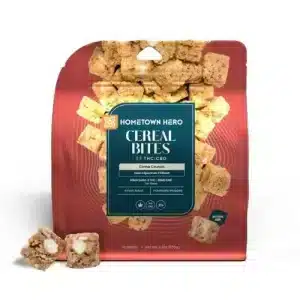
Hometown Hero Cereal Bites Cinna Crunch | Delta-9 THC + CBD
-
Hometown Hero Cereal Bites Fruity Rainbow | Delta-9 THC + CBD
-
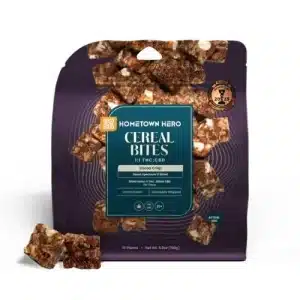
Hometown Hero Cereal Bites Cocoa Crisp | 1:1 Delta-9 THC + CBD
-
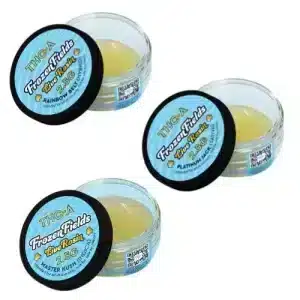
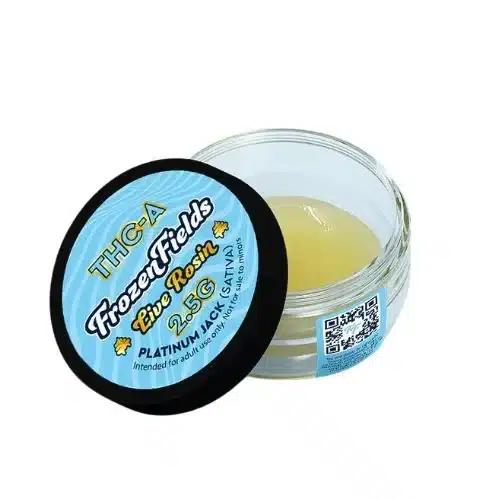
Frozen Fields THCA Live Rosin | 2.5g Solventless Concentrate
ConcentratesFrozen Fields THCA Live Rosin | 2.5g Solventless Concentrate
$49.95 Select options This product has multiple variants. The options may be chosen on the product page