Every vote helps us continue serving Orange/Chatham County, and your support means the world to our local team.
20% OFF URB Trippin Gummies (Buy 2+) ~ Use Code: trippin20off
Buy 1 Bhumi, get 25% OFF your 2nd item ~ Use Coupon Code: bhumi25off
Get 5 items For 15% OFF – Mix & Sav ~ Use Coupon Code: bfcm15off

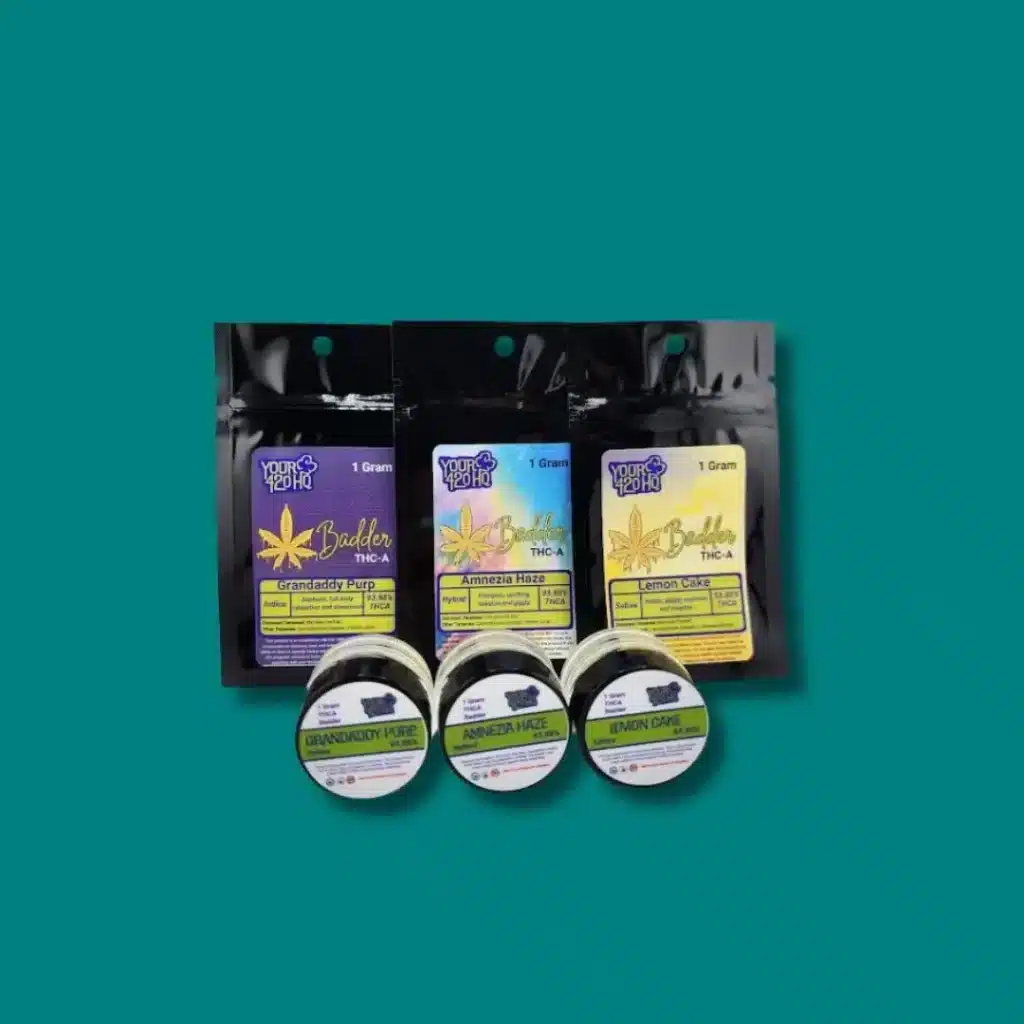
THCA health benefits are something many people explore when looking for non-intoxicating cannabis options. THCA is often discussed for inflammation, digestion, and overall balance without the high of THC.
At Carolina Hemp Hut, THCA is often included in wellness routines focused on balance, recovery, and daily support. People commonly explore it for inflammation, appetite support, and general well-being. This helps connect THCA health benefits to practical, everyday use.
If you are unsure how THCA fits into your routine, that is completely normal. This article explains what THCA is, how it works, and what benefits people report. You will also learn how to use it safely and what to look for in quality products.
Meeting THCA: The Cannabinoid Hidden in Plain Sight
THCA is a natural compound that forms in fresh cannabis. It sits in the plant and doesn’t make you high. Heat turns it into THC.
Where THCA Comes From in the Cannabis Plant
THCA—short for tetrahydrocannabinolic acid—forms in the glandular trichomes on raw cannabis flower. Trichomes look like tiny hairs on buds and leaves. They make and store many cannabinoids and terpenes.
An enzyme called THCA synthase helps the plant turn simple building blocks into THCA as it grows. Plants bred for high THCA show higher percentages on lab tests. If you buy flower, check lab-verified THCA numbers and the full cannabinoid profile to know what you’re getting.
THCA as the Starting Point for THC
THCA acts as the chemical precursor to THC. When you heat it—by smoking, vaping, or cooking—THCA loses a carboxyl group. This process, called decarboxylation, turns THCA into active THC, which binds to brain receptors.
Storage and handling matter a lot here. Keep raw flowers cool and dark to slow conversion. Concentrates and gummies can also contain THCA, but heat or light may convert some THCA to THC over time. Always check lab reports and testing dates to confirm product stability.
Why THCA Is Non-Intoxicating
THCA doesn’t produce intoxication because its molecular shape prevents it from binding strongly to CB1 receptors in the brain. THC fits those receptors better after decarboxylation. That difference explains why raw cannabis or cold-processed THCA products won’t get you high.
Still, be careful—heating THCA makes THC. Product purity matters, too. Impurities or bad labeling can change effects. Start low, go slow, pick lab-tested products, and talk to your healthcare provider if you take medications.
THCA vs. THC: Chemistry, Effects, and Everyday Decisions
THCA is the raw, non-intoxicating form of THC. Heat makes it active. Knowing how heat and brain receptors work helps you pick products and use them safely.
How Decarboxylation Changes the Experience
Decarboxylation is the process that turns THCA into Delta-9 THC. Heat from smoking, vaping, or baking removes a carboxyl group. This change lets the molecule bind to CB1 receptors in your brain. That’s what causes the familiar “high.”
If you eat raw THCA flower or use a cold-extracted THCA tincture, you usually avoid intoxication because decarboxylation hasn’t happened. But if you smoke, vape, or cook with THCA, expect Delta-9 THC effects.
Always follow dosing rules: start low and go slow. Lab-tested COAs help you know how much THCA or Delta-9 might be present before and after heating.
Exploring Delta-9 and Delta-8 THC Differences
Delta-9 THC binds strongly to CB1 receptors and gives the classic intoxicating effects. Delta-8 THC is a close cousin with a slightly different shape. It also binds CB1 receptors but often gives milder effects at the same dose.
Both can show up after heating or in processed products. Legal rules and lab testing vary by state, so always check third-party COAs and local laws. If you worry about drug tests, know that heating THCA to Delta-9 could trigger a positive result.
For gentler effects and clearer dosing, pick products with clear labels and solid lab results.
How THCA and Psychoactive Cannabinoids Diverge
THCA doesn’t strongly activate CB1 receptors, so it usually won’t make you feel high. Some researchers and users say THCA has non-intoxicating benefits, but more study is needed. THCA can degrade into Delta-9 over time or with heat, so storage and handling matter.
If you want non-intoxicating options, use THCA and avoid heat. Go for Delta-9 or Delta-8 products if you want psychoactive effects. Always check potency, lab tests, and start low. Keep products labeled, store them cool and dark, and follow 21+ guidance.
Potential Wellness Benefits of THCA
THCA is a non-intoxicating compound in raw cannabis that may help with inflammation, nausea, brain health, and immune balance. Researchers are still figuring out how it works. Early studies and user stories point to a few specific ways people try THCA for wellness.
Anti-Inflammatory Support Without the High
THCA might help lower inflammation without the high because it doesn’t turn into THC unless heated. Lab studies show THCA can reduce inflammatory markers in cell and animal models. This hints that it could help with conditions like arthritis or inflammatory bowel disease.
Human trials are limited, though. If you’re considering THCA for inflammation, pick lab-tested, hemp-derived products and start with a low dose. Talk to your healthcare provider, especially if you take anti-inflammatory or immune-modulating medicines.
Nausea, Digestion, and Appetite Support
People say THCA may ease nausea and boost appetite without intoxication. Animal studies and some user accounts suggest THCA interacts with pathways that control vomiting and hunger. That could make it appealing for folks who want digestive support but don’t want to feel high.
Use raw flower or cold-pressed extracts to keep THCA non-psychoactive. Always consider the cause of nausea or appetite loss and check with your clinician before adding THCA to your routine.
Exploring Neuroprotective Possibilities
Early research shows THCA might have neuroprotective effects in lab settings. Some studies say it can reduce oxidative stress and help cells survive insults that mimic neurodegeneration. These actions may tie in with how THCA affects inflammation and stress pathways in the brain.
This evidence comes mostly from preclinical work. No strong human data prove THCA prevents or reverses brain disease. If you’re focused on brain health, combine evidence-based care with open conversations with your healthcare team before using THCA.
Early Research on Immune and Metabolic Balance
Preclinical studies suggest THCA could influence immune function and metabolic markers, like blood sugar regulation and inflammatory cytokines.
Researchers are exploring whether THCA affects the endocannabinoid system in ways that support immune balance without the psychoactive effects of THC. These findings are still early and don’t justify medical claims.
If you have autoimmune conditions, metabolic syndrome, or take immune-related drugs, check with your provider. Choose lab-tested products, follow dosing guidance, and be aware of legal and workplace testing issues.
Ways People Are Using THCA Today
People use THCA for non-intoxicating options and measured dosing. You’ll see raw preparations, tinctures, flower products, and low‑temperature edibles designed to keep THCA intact or control conversion to THC.
Raw Cannabis Juices and Smoothies
Some folks juice fresh hemp or cannabis flower to get raw THCA without heat. Raw THCA doesn’t make you feel high since it’s not decarboxylated into Delta‑9 THC.
You can add raw leaves or a bit of fresh bud to fruit and veggie smoothies. Keep portions small and blend briefly to preserve cannabinoids and nutrients.
Store raw material cold and use it within a day or two to limit degradation. If you want lab-tested products, look for COAs that show THCA content. Always check local laws and start with a small serving to see how your body reacts.
THCA Tinctures and Capsules
THCA tinctures let you take measured doses under the tongue or mixed into food. Capsules are a convenient, pre-measured option for predictable dosing.
Producers make tinctures with hemp-derived THCA suspended in oil. Capsules contain the same oil in gelatin or plant-based shells. Both forms avoid inhalation and help you control the dose.
Look for third‑party lab results that list THCA, total THC, and pesticide or heavy metal testing. Start low, go slow, and check with your healthcare provider if you take medications or have health concerns.
THCA Flower and Diamonds
THCA flower means hemp flower high in THCA that isn’t heat-treated. Many people vape or smoke flower, but heat turns THCA into Delta‑9 THC and can cause a psychoactive effect.
Crystalline THCA—often called THCA diamonds—are purified solid crystals used by experienced consumers. Diamonds can be dabbed or infused into oils, but they need care: heat, light, or bad storage will convert THCA to THC.
If you want to try THCA flower or diamonds, pick lab-tested batches and learn safe dosing. Be aware of drug‑test risks if THCA turns into THC during use or storage.
Low-Temperature Edibles and More
People use low‑temperature methods to keep THCA intact in edibles. Cold‑infused oils, tinctures added after baking, and no‑heat gummies aim to preserve raw THCA.
Recipes often use oil-based THCA extracts mixed into cool foods, or gelatin or pectin methods that don’t require heat. This helps you consume THCA without accidentally turning it into THC.
Always check potency with lab reports and label doses clearly. Keep products sealed, away from heat and light, to slow conversion. Remember, local laws and workplace testing can be affected by THCA that becomes THC.
Safety, Legality, and Side Effects: What Smart Consumers Should Know
THCA can turn into THC when heated, may show up on drug tests, and its legal status depends on where you live and how products are made. Buy lab-tested products, start small, and check local laws before buying.
Can THCA health benefits come with risks or side effects?
THCA health benefits can come with risks or side effects because cannabinoids may interact with medications and body systems, according to the Centers for Disease Control and Prevention (CDC).
The CDC also explains that cannabis compounds can affect heart rate and coordination. This is why safe use matters.
Common Side Effects and Considerations
You might feel dry mouth, red eyes, mild dizziness, or a faster heart rate after using heated THCA products that convert to THC. These effects are usually short-lived but can be stronger if you inhale concentrates or use large doses.
If you have heart issues, are pregnant, nursing, or take prescription drugs, talk to your healthcare provider first. Drug interactions are possible, especially with meds broken down by the liver.
If you need to drive or operate machinery, avoid THCA products that cause intoxication. Many employers’ drug tests detect THC, so use caution if you face workplace testing.
THCA’s Legal Status and the Farm Bill Effect
The 2018 Farm Bill legalized hemp as cannabis with 0.3% Delta‑9 THC or less by dry weight. Many THCA products come from hemp, but if THCA converts to more than 0.3% Delta‑9 THC, the product could be illegal under state or federal rules.
States treat THCA differently. Some ban sales or possession of THCA products, while others allow hemp-derived THCA if lab tests show compliance. Always check your state and local laws before buying or transporting THCA products.
Federal law, state law, and product labeling can conflict. Keep Certificates of Analysis (COAs) showing Delta‑9 levels when you buy, and avoid crossing state lines with products if you’re unsure about legality.
Quality, Sourcing, and Buying from Licensed Dispensaries
Pick products that come with third-party lab tests (COAs). These should show THCA, Delta-9 THC, pesticides, solvents, and heavy metals. A solid COA helps you avoid hidden THC or nasty contaminants.
Stick with licensed dispensaries or trusted hemp shops. Good sellers follow state laws and check IDs if you’re under 21. They keep track of products and usually know their stuff. You can ask them about dosing, extraction, or if the product was heat-processed.
Check for clear labels—look for cannabinoid percentages, batch numbers, and manufacturing dates. Don’t be shy about asking the staff how they made the product. Was it raw flower, a tincture, or a concentrate?
Some things change when you heat them up, so ask if it could turn into Delta-9 THC. Start low, go slow, and hang on to your paperwork just in case you need it for safety or compliance.
What THCA Health Benefits Come Down To
THCA health benefits come down to understanding how it works and setting realistic expectations. It is not about guaranteed results but about exploring how it fits your routine. Paying attention to your response helps guide better decisions.
At Carolina Hemp Hut, THCA is approached as part of a thoughtful and informed wellness routine. The focus stays on lab-tested products, clear information, and responsible use. This helps support more confident choices.
If you want to explore THCA health benefits, start low and increase gradually based on your response. Choose lab-tested products and track how you feel over time. When needed, speak with a healthcare provider before making changes.
Frequently Asked Questions
What are THCA health benefits?
THCA health benefits include support for inflammation, digestion, and overall balance without intoxication. These benefits are based on early research and user experiences, so results can vary from person to person.
Does THCA get you high?
No, THCA does not get you high unless it is heated and converted into THC. This makes it a non-intoxicating option when used raw or in cold-processed products.
How do people use THCA for health benefits?
People use THCA for health benefits through raw products, tinctures, capsules, or low-temperature edibles. The method matters because heat can change THCA into THC and alter the effects.
Is THCA safe for daily use?
THCA is safe for daily use for many people when used responsibly and in low amounts. It is important to monitor your response and check for possible interactions with medications.

Our Products
-
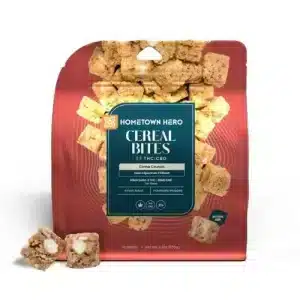
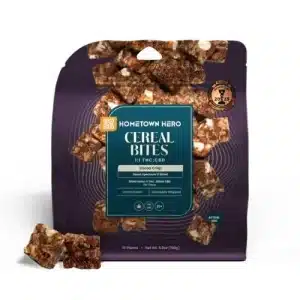
Hometown Hero Cereal Bites Cinna Crunch | Delta-9 THC + CBD
-
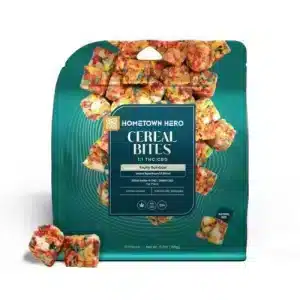
Hometown Hero Cereal Bites Fruity Rainbow | Delta-9 THC + CBD
-
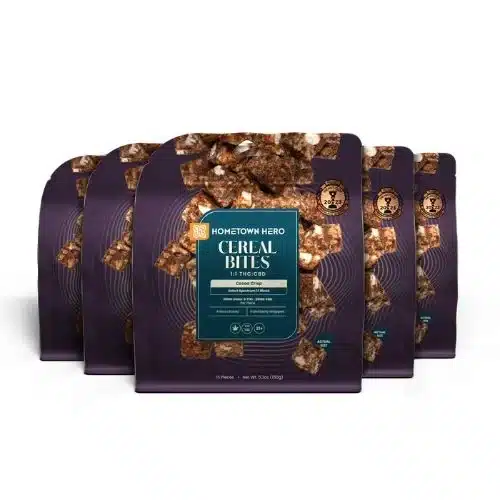
Hometown Hero Cereal Bites Cocoa Crisp | 1:1 Delta-9 THC + CBD
-
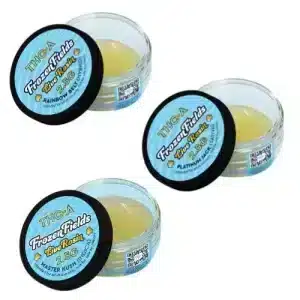
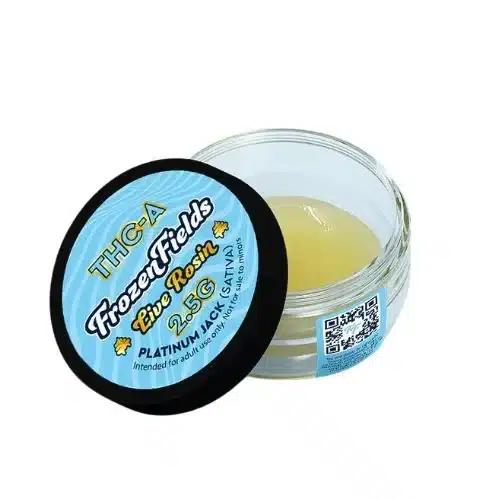
Frozen Fields THCA Live Rosin | 2.5g Solventless Concentrate
ConcentratesFrozen Fields THCA Live Rosin | 2.5g Solventless Concentrate
$49.95 Select options This product has multiple variants. The options may be chosen on the product page