Every vote helps us continue serving Orange/Chatham County, and your support means the world to our local team.
20% OFF URB Trippin Gummies (Buy 2+) ~ Use Code: trippin20off
Buy 1 Bhumi, get 25% OFF your 2nd item ~ Use Coupon Code: bhumi25off
Get 5 items For 15% OFF – Mix & Sav ~ Use Coupon Code: bfcm15off

You may have noticed THCA flower on dispensary shelves or online and wondered how it differs from traditional cannabis. THCA flower is hemp cultivated to contain high levels of tetrahydrocannabinolic acid, a non-psychoactive compound that becomes active THC only when heated.
At Carolina Hemp Hut, education and safety guide every recommendation we make. We help people understand how hemp-derived products like THCA flower fit within legal guidelines and personal wellness goals. Our focus is on transparency—teaching customers what’s in their products, how to read lab reports, and how to use hemp responsibly.
In this article, you’ll learn what THCA flower is, how it transforms into THC through heat, and how to use it safely. We’ll also discuss legal details, buying tips, and how to read Certificates of Analysis so you can make informed, compliant choices about THCA products.
Defining THCA Flower
THCA flower is hemp bud bred and cured to contain high levels of tetrahydrocannabinolic acid while keeping Delta-9 THC low. You’ll learn what THCA is, how it exists in the plant, and why heating changes its effects.
What Is THCA?
THCA stands for tetrahydrocannabinolic acid, a natural compound produced in the trichomes of cannabis buds. Lab reports show THCA as a percentage of dry weight, with strong THCA flower typically testing between 15% and 30% THCA.
You can handle THCA flower like other buds: smell the terpenes, look for frosty trichomes, and check the COA. THCA itself does not cause a high until it converts to Delta-9 THC.
Tetrahydrocannabinolic Acid in Cannabis
Inside each bud, THCA acts as the precursor to THC. The plant produces it during flower development, and genetics determine the amount. Growers select cultivars with high THCA and low Delta-9 THC to meet legal standards.
THCA collects in the resin glands, so sticky, frosty buds usually contain more THCA. Third-party lab tests show both THCA and Delta-9 THC levels. Always check Certificates of Analysis for potency and contaminants.
Raw THCA Versus Heated THCA
Raw THCA does not intoxicate when you touch or smell the bud. It becomes intoxicating after decarboxylation—a chemical change caused by heat. Smoking, vaping, or baking the flower removes a carboxyl group and turns THCA into active Delta-9 THC.
The same bud can be legally sold as hemp, but after you heat it, it can produce psychoactive effects. If you are concerned about drug tests or effects, remember that conversion happens with heat and can show up on tests as THC metabolites.
How THCA Flower Works
THCA flower stays non-intoxicating until heat changes its chemistry. Learn how heat turns THCA into active THC, how THCA differs from THC, how conversion affects effects, and why THCA percentage matters for strength and testing.
Decarboxylation and Potency
Decarboxylation turns THCA into psychoactive THC. When you smoke, vape, or bake the flower, the THCA molecule loses a carboxyl group (CO₂), allowing it to bind to your brain’s cannabinoid receptors and produce a high.
Temperature and time matter. Vaping at lower temps preserves more terpenes but may not fully convert THCA. Smoking or oven-heating at about 220–250°F for 30–45 minutes produces a more complete conversion. Incomplete decarboxylation lowers potency.
Your method changes onset and strength. Inhalation gives fast, strong effects; edibles take longer but can feel stronger per dose because of different metabolism.
THCA Versus THC
THCA and THC differ by one chemical group and act very differently before heat. THCA is the raw form in fresh buds and does not produce intoxication when unheated. THC is the neutral form that causes psychoactive effects.
Lab reports list THCA separately from Delta-9 THC. Legal thresholds often measure only Delta-9 THC. Labs sometimes report “total THC,” estimating potential THC after decarboxylation using a conversion factor.
Your experience depends on which molecule is present when you consume. Raw cannabis or juice high in THCA won’t get you high. Once heated, it behaves like conventional THC flower.
Delta-9 THC Conversion
When you heat THCA, it converts to Delta-9 THC, increasing the amount of intoxicating THC. Labs use a conversion factor—commonly 0.877—to estimate how much Delta-9 THC will form from a given THCA level. This accounts for mass lost during decarboxylation.
For example, a sample with 20% THCA yields about 17.5% Delta-9 THC after full conversion. Regulators may use this math to calculate “total THC.” If total THC exceeds legal limits, the product may be considered non-compliant.
Check Certificates of Analysis that show both THCA and Delta-9 values to predict product strength and legal compliance.
THCA Percentage and Strength
THCA percentage on a lab report gives a clear idea of raw potency. Most commercial THCA flower ranges from about 15% to 30% THCA. Higher percentages mean more potential Delta-9 THC after decarboxylation and stronger effects when heated.
Terpenes and other cannabinoids also affect how the high feels. Your tolerance and method of use change perceived strength. For milder effects, choose lower THCA numbers or use smaller amounts. Calculate total THC to ensure legal compliance.
THCA Flower Strains and Their Effects
THCA flower strains vary by genetics, terpene mix, and cannabinoid levels. Your choice affects potency, aroma, and whether the experience feels uplifting, relaxing, or balanced.
Popular High THCA Strains
Certain strains consistently test high for THCA and are popular for potency. Look for names like Snow Caps, Cherry Cake, Pineapple Express, and Private Reserve cultivars. These often have THCA percentages in the mid-to-high teens or above, meaning stronger effects when heated.
Sativa strains like Pineapple Express tend to give energetic head effects. Indicas such as Cherry Cake lean toward body relaxation and sleep aid. Hybrids like Cherry Zaza and Government Oasis offer a balanced experience—mild uplift with physical calm.
Check the COA for THCA and residual THC numbers to know potency and legal compliance. For less intense effects, use smaller doses or strains with lower THCA.
Entourage Effect Explained
The entourage effect means compounds in the flower work together to shape your experience. THCA does not act alone; cannabinoids like CBD and CBG can influence the effects.
Strains with higher CBD may create a softer psychoactive onset after decarboxylation. CBG can add clarity and focus. These combinations can reduce anxiety or sharpen mental clarity, depending on ratios.
Read lab reports for cannabinoid balance to predict whether the experience will be calming, stimulating, or balanced. Dosing and method of use also affect the entourage effect.
Terpene Profile and Cannabinoids
Terpenes determine aroma and shape effects alongside cannabinoids. Myrcene favors sedative, relaxed effects and is common in indica-leaning THCA strains. Limonene brings citrus notes and a lighter mood, pairing well with sativa-style flower. Caryophyllene provides spicy scents and may add anti-inflammatory effects.
Check a COA terpene chart for dominant terpenes and their percentages. A myrcene-rich, high-THCA strain often produces heavy body relaxation, while limonene-dominant high-THCA strains feel more energetic and social.
Also note CBD and CBG values. Even small amounts of CBD can temper strong THC effects. CBG, even in trace amounts, can influence focus and mood. Use terpene and cannabinoid data together to choose a strain that matches your goals.
How to Use THCA Flower
You can use THCA flower to create an intoxicating experience by applying heat, or use it raw for non-intoxicating benefits. Choose a method based on how fast you want effects, how strong you want them, and your need for discretion.
Smoking and Vaping
Smoking or vaping THCA bud converts THCA to Delta-9 THC almost instantly, with effects starting within minutes. Grind the flower lightly, pack a joint or pipe loosely, and take small puffs to test strength. If you’re new, start with one or two hits and wait 10–20 minutes before more.
For dry-herb vaping, use a vaporizer with temperature control. Set between 350–400°F (175–205°C) to activate THCA and preserve terpenes. Lower temps keep flavor; higher temps increase intensity. Clean the chamber regularly and use small doses to avoid strong highs.
Safety tips:
- Check COAs for contaminants before buying.
- Avoid deep inhalation if you have lung issues.
- Don’t mix with alcohol or drive until you know your tolerance.
Edibles and Cooking
To make edibles, decarboxylate THCA buds first. Preheat oven to about 230°F (110°C). Break up 7–14 grams of flower per cup of oil or butter, spread on parchment, and bake 25–40 minutes, stirring once. Use coconut or olive oil for even infusion.
After decarb, simmer the flower in oil or butter for 2–3 hours on low heat. Strain through cheesecloth to remove plant matter. Label doses clearly: homemade batches vary, so start with a small amount and wait 60–90 minutes for full effects.
Edible tips:
- Start with 2.5–5 mg THC-equivalent if unsure.
- Store in a childproof container.
- Onset is slow but lasts longer than inhalation.
Topicals and Raw Consumption
Topicals made from THCA flower target localized relief without causing intoxication. Infuse carrier oils like jojoba or coconut with decarbed or raw flower at low heat for a few hours. Apply to sore joints or muscles for surface-level effects. These topicals do not usually cause a high.
Eating fresh THCA bud will not make you high. Use fresh, frozen, or raw buds in smoothies, tinctures, or juices to access non-intoxicating THCA and other acids. Use small portions and ensure the buds are pesticide-free.
Practical notes:
- Read product COAs for purity before using topicals.
- Patch test topicals on a small skin area first.
- Store raw buds cold if you plan to juice them soon.
Legality and Buying Guide
THCA flower exists in a complex legal space, so check laws, product labels, and seller practices before buying. Know your state rules, confirm lab results, and expect some vendors to verify your age and identity at checkout.
Federal Hemp Law Defines Legal Limits
Federal hemp law, under the 2018 Farm Bill, defines legal hemp as cannabis with no more than 0.3% delta-9 THC on a dry weight basis, and THCA by itself is not classified as delta-9 THC.
However, the law requires compliance with THC limits before any decarboxylation or heating. Because THCA can convert into THC with heat, regulators and states vary on how they treat THCA flower in practice.
THCA Legality Across Regions
THCA legality depends on federal hemp rules and state laws. The 2018 Farm Bill allows hemp with less than 0.3% Delta-9 THC by dry weight, but some states include THCA when calculating “total THC.” In those states, THCA flower is illegal.
Check your state code or a recent state guide before buying or possessing THCA flower, as laws can change quickly. Local city or county rules may be stricter than state law.
Federal agencies and courts have given mixed signals about converted THC from THCA. Crossing state lines with THCA flower risks seizure or charges in places that treat THCA as controlled.
Where to Buy THCA Flower
Buy from licensed hemp retailers or established online shops that ship to your state. Choose sellers who clearly list the product’s hemp origin, strain, and provide lab test results (COA).
Expect steps like age verification and sometimes a CAPTCHA at checkout. This protects the seller and confirms you meet age limits. Avoid sellers who hide testing information or refuse to answer questions about shipping rules.
When buying locally, choose stores that let you inspect packaging and show printed COAs. For online orders, save the COA and shipping policy to prove compliance if needed.
Choosing Quality THCA Products
Check the Certificate of Analysis (COA) for cannabinoid content, pesticide screen, heavy metals, and residual solvents. The COA should match the batch number on the package and come from a third-party lab.
Look for a clear strain name, harvest date, and hemp farm or processor. Quality flower has visible trichomes and a fresh aroma. Avoid products labeled vaguely like “hemp extract” without a cannabinoid breakdown.
Price reflects quality and testing. Higher-quality products and compliant cultivation cost more. If a seller cannot provide a verifiable COA or asks you to skip identity checks, do not buy.
Understanding THCA Flower Responsibly
THCA flower remains a fascinating hemp product—non-psychoactive until heated, yet capable of transforming into THC through decarboxylation. Its chemistry explains why it bridges the gap between raw hemp and traditional cannabis. Knowing how this conversion works helps you use THCA flower safely and stay compliant with the law.
At Carolina Hemp Hut, we believe knowledge is empowerment. Our team guides customers through lab reports, testing standards, and legal distinctions so that every purchase feels informed and secure. Education and safety are the foundation of how we serve our community.
If you plan to try THCA flower, always confirm state laws and read each product’s Certificate of Analysis. Choose reputable, transparent retailers and take time to learn proper heating and storage methods.
For guidance or to explore compliant THCA strains, visit our Hillsborough location or browse our online catalog.
Frequently Asked Questions
How is THCA flower produced?
Growers select hemp or cannabis plants that naturally make high THCA levels. They harvest the buds before heat converts THCA to THC, then dry and cure the flower without heat. Producers often test batches and provide a Certificate of Analysis to show THCA and THC levels.
Can smoking THCA flower produce a high?
Yes. Smoking or vaping heats THCA and converts it into delta‑9 THC, which causes psychoactive effects. Eating raw THCA flower without heating it will not make you high.
What are the potential side effects of using THCA flower?
After THCA converts to THC, side effects may include dry mouth, red eyes, dizziness, increased heart rate, or short-term memory changes. High doses can cause anxiety, paranoia, or nausea. If you have heart or mental health conditions, consult a doctor before use.
Is consuming THCA flower considered safe?
Raw, unheated THCA flower has a lower risk of intoxication. Smoking carries lung risks. Lab testing for pesticides, molds, and accurate cannabinoid levels improves safety. Avoid driving or operating machinery after using THCA that may convert to THC.
How does THCA flower compare in potency to other cannabis products?
Potency depends on how much THCA converts to THC and the starting cannabinoid levels. When fully decarboxylated, high‑THCA flower can match the potency of high‑THC cannabis flower. Concentrates and extracts often deliver higher THC doses per inhale than flower.
Are THCA and delta-9 THC the same substance?
No. THCA is the acidic precursor to delta‑9 THC and does not cause psychoactive effects in its raw form. Heat removes a carboxyl group from THCA, turning it into active delta‑9 THC.
Chemically, they differ by that carboxyl group. Legally, THCA and delta‑9 THC are treated differently until heat converts THCA.

Our Products
-
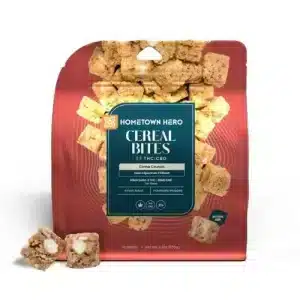
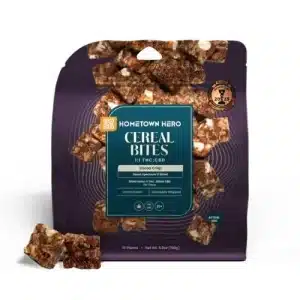
Hometown Hero Cereal Bites Cinna Crunch | Delta-9 THC + CBD
-
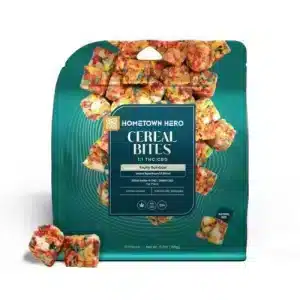
Hometown Hero Cereal Bites Fruity Rainbow | Delta-9 THC + CBD
-
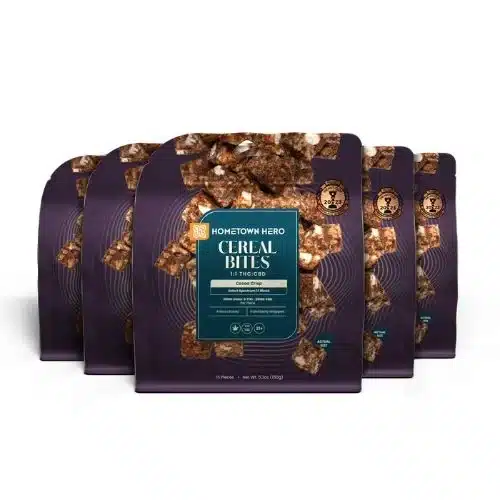
Hometown Hero Cereal Bites Cocoa Crisp | 1:1 Delta-9 THC + CBD
-
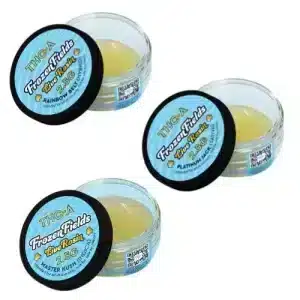
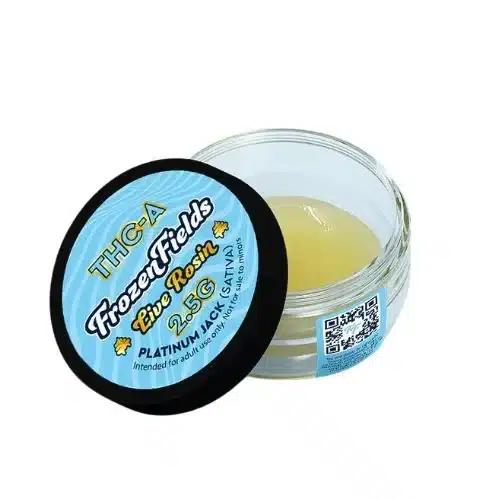
Frozen Fields THCA Live Rosin | 2.5g Solventless Concentrate
ConcentratesFrozen Fields THCA Live Rosin | 2.5g Solventless Concentrate
$49.95 Select options This product has multiple variants. The options may be chosen on the product page