Every vote helps us continue serving Orange/Chatham County, and your support means the world to our local team.
20% OFF URB Trippin Gummies (Buy 2+) ~ Use Code: trippin20off
Buy 1 Bhumi, get 25% OFF your 2nd item ~ Use Coupon Code: bhumi25off
Get 5 items For 15% OFF – Mix & Sav ~ Use Coupon Code: bfcm15off


CBD for health is something many people explore when looking for natural ways to support everyday wellness. It often comes up in conversations around stress, sleep, and overall balance. This topic focuses on how CBD fits into real-life routines and what people actually experience.
At Carolina Hemp Hut, many people in Durham, NC, and the Triangle area use CBD as part of their daily wellness routines. Common goals include supporting stress levels, improving sleep quality, and easing everyday discomfort.
If you feel unsure about where to begin, that’s completely normal. This article breaks down how CBD works, what benefits people report, and what to watch for. You’ll also learn how to choose products and use CBD responsibly.
CBD’s Place in Cannabis: Understanding the Plant Family
Cannabis sativa covers a bunch of related plants that act and are regulated differently. Knowing which plant your product comes from tells you about THC levels, legal status, and what you might feel.
How Hemp and Marijuana Differ (and Why It Matters)
Both hemp and marijuana come from cannabis, but they’re not the same. Hemp must have 0.3% Delta‑9 THC or less by dry weight. Marijuana usually packs way more THC and can get you high. This difference matters for drug testing and legal stuff.
Hemp-based CBD products under the 0.3% limit are federally legal thanks to the 2018 Farm Bill, but each state does its own thing.
If you need to avoid THC for work or testing, choose broad‑spectrum or isolate products and check third‑party lab reports (COAs). Vapes kick in faster, topicals target a spot, and edibles take longer to work.
Meet the Phytocannabinoids: Beyond Just CBD and THC
Cannabis plants create many phytocannabinoids, not just CBD and THC. Some common ones are CBG, CBC, and minor cannabinoids like THCa or Delta‑8. Each one acts differently with your endocannabinoid system.
Full‑spectrum extracts mix several cannabinoids and terpenes. Broad‑spectrum removes detectable THC but keeps the rest. Isolates are just one cannabinoid, usually pure CBD. This mix changes how you might feel and affects drug testing.
Always read labels and COAs for cannabinoid levels. Start with a low dose since everyone reacts differently, and cannabinoids can interact with medications in your liver.
The Story Behind the 2018 Farm Bill and Legalization
The 2018 Farm Bill made hemp (cannabis with ≤0.3% Delta‑9 THC) legal at the federal level. That move opened the door for hemp-based CBD products across the U.S., as long as they meet the THC rule.
But federal law doesn’t wipe out state rules. Some states limit certain cannabinoids or set age requirements.
Products still need clear labels and third‑party testing to prove they follow the rules. Crossing state lines with hemp can be tricky if local laws differ. Always check your state’s laws and ask sellers for Certificates of Analysis before you buy.
How CBD Works with Your Body’s Natural Systems
CBD interacts with several of your body’s systems to help balance mood, pain, and inflammation. It tweaks receptors, enzymes, and signals that control stress, immune response, and nerve activity.
The Endocannabinoid System, CB1 and CB2
Your endocannabinoid system (ECS) keeps your body steady. It uses CB1 and CB2 receptors plus your own endocannabinoids. CB1 is mostly in the brain and nerves, affecting mood, appetite, and movement.
CB2 shows up more on immune cells and in your gut, helping with inflammation and immune response. CBD doesn’t stick to CB1 or CB2 the way THC does. Instead, it changes how your body uses its own endocannabinoids.
For instance, CBD can slow down the breakdown of anandamide, a mood-linked endocannabinoid. That can boost anandamide and help you feel calmer. CBD also tweaks receptor activity, making your ECS more flexible in handling stress.
CBD, Serotonin, and Mood Support
Serotonin helps control mood, sleep, and digestion. CBD may affect serotonin by acting on receptors like 5-HT1A, which respond to serotonin. This could help you feel less anxious or tense without making you sleepy.
You might notice steadier moods or less stress when CBD supports serotonin pathways. It also calms overactive signals that ramp up worry. But everyone’s different. Start with a low dose and check with your doctor if you take antidepressants or other nervous-system meds.
TRPV1, Inflammation, and Pain Pathways
TRPV1 is a nerve receptor that senses heat, pain, and inflammation. It helps kick off pain signals and releases pro-inflammatory cytokines when you’re hurt. CBD interacts with TRPV1 and can turn down its activity.
By acting on TRPV1, CBD may lower nerve firing and reduce cytokines that keep inflammation going.
This could help with localized pain and swelling. CBD also affects other pain-related channels and enzymes, which together might ease discomfort. Results vary, so use lab-tested products and follow dosing tips for safety.
A Friendly Rundown of Popular CBD Product Types
Let’s look at popular CBD formats, what they do, and what to check before buying. You’ll see how fast products work, how long effects last, and basics like lab testing and starting doses.
CBD Oil, Gummies, and Tinctures—What’s the Difference?
CBD oil and tinctures look alike but aren’t quite the same. Oils are usually hemp extract in a carrier oil like MCT. Drop them under your tongue for fast absorption or add to food for a slower effect.
Gummies and edibles give you set doses and taste good. They take longer—often 30–90 minutes—to kick in since they go through your stomach. They’re handy if you want the same amount each time.
Tinctures may have extra stuff like herbs or glycerin. They usually come with a dropper and clear marks for dosing. Always check the label for CBD per drop or serving, and look for third-party lab results (COAs) to confirm what’s inside.
Full-Spectrum, Broad-Spectrum, and Isolate: Know Your Labels
Full-spectrum CBD includes the whole hemp extract, with trace THC (below 0.3% if hemp-based). Some people like this because other compounds, like terpenes, might work together with CBD—people call that the entourage effect.
Broad-spectrum skips THC but keeps other cannabinoids and terpenes. It’s a middle ground if you want more plant compounds but no THC. Rarely, it might still trigger drug tests.
Isolate is just CBD, with no THC, terpenes, or other cannabinoids. Pick isolate if you need to skip THC completely. Always read the label and COA. Start low, go slow, and ask your provider if you’re worried about interactions or drug testing.
Topical CBD for Skin and Joints
Topical CBD comes as creams, balms, salves, and roll-on gels. You put them right on the spot where you feel discomfort or have skin issues. They stay on the skin and may give targeted relief without much getting into your blood.
Pick the right type for what you need: muscle rubs for deep massage, creams for daily skin care, and cooling rollers for quick use. Always check the ingredient list for allergens and pick products with third-party lab tests showing what’s inside.
Topicals usually don’t cause whole-body effects or show up on drug tests. If you have sensitive skin or plan to use them a lot, test a small patch first. Follow the directions and don’t use on broken skin unless the label says it’s okay.
Prescription CBD vs. Over-the-Counter Options
Prescription CBD (medical-grade) is purified cannabidiol approved for certain conditions and comes in controlled formulas. Your prescriber gives dosing advice, and these products go through strict testing and regulation.
Over-the-counter (OTC) CBD includes oils, gummies, topicals, and isolates you can buy without a prescription. Quality and strength vary a lot. Look for “lab-tested,” “Farm Bill–compliant,” and clear CBD per serving on the label.
If you take other meds or have health issues, talk to your provider before trying OTC CBD. If you’re under 21, follow local rules. Always check COAs and keep track of your dose and effects to share with your provider.
The Real Benefits and Wellness Potential of CBD
CBD might help with pain, anxiety, seizures (in certain prescription forms), and sleep. It’s not a cure, and how well it works depends on the person, dose, and product quality.
Does CBD help with stress and anxiety?
CBD helps with stress and anxiety by interacting with serotonin pathways, according to the National Institutes of Health (NIH).
Research from the NIH shows CBD may influence mood regulation and stress response. This is why people use CBD for stress and anxiety support.
Chronic Pain and Inflammation—What Science Says
Some people find that CBD helps with pain from arthritis, nerve pain, or other chronic issues when they use it regularly and pick the right product. Topical CBD creams can target sore joints or muscles without affecting your whole body.
Oral forms (tinctures, capsules) may help with widespread or nerve pain, but take longer to work. Research shows some people feel less pain and move better.
Studies suggest CBD has anti-inflammatory effects, which can ease swelling and stiffness from arthritis. Watch out for interactions with blood thinners and other meds. Always choose lab-tested, hemp-based products and start low, go slow.
CBD, Anxiety, and Mood
Lots of people use CBD to ease everyday anxiety and calm racing thoughts. Small studies and user stories suggest low to moderate doses may help with social anxiety and stress without a high. CBD might impact serotonin and GABA, which help regulate mood and tension.
Lower doses sometimes work better for anxiety than high ones. CBD isn’t a replacement for therapy or antidepressants, and it can interact with some psych meds. Always check third-party lab results and talk to your provider if you take mental health meds.
Epilepsy, Seizures, and FDA-Approved Epidiolex
Epidiolex is an FDA-approved prescription CBD medicine for tough seizure disorders like Dravet syndrome, Lennox-Gastaut syndrome, and seizures linked to tuberous sclerosis complex. Clinical trials showed fewer seizures compared to placebo for these problems.
Don’t swap over-the-counter hemp products for Epidiolex. Prescription doses are supervised because CBD can change liver enzymes and interact with seizure meds like clobazam.
If you or a loved one has epilepsy, talk to a neurologist before trying retail CBD and stick with a lab-tested product.
CBD and Sleep: Hype vs. Hope
CBD might help some people fall asleep faster and get better rest by lowering anxiety and easing pain that keeps them up. Many beginners try 10–50 mg at night; results vary and depend on the product and timing. Higher doses might make some folks drowsy.
Don’t count on instant, guaranteed sleep. Keep a sleep log to track dose, timing, and effects. Avoid vaping unknown additives and watch for interactions with prescription sleep meds.
Choose third-party tested, Farm Bill–compliant products and talk to your provider if you use other sleep or psych medications.
Staying Safe: Side Effects, Interactions, and Who Should Avoid CBD
CBD can cause mild side effects, change how other drugs work, and isn’t right for everyone. Always read labels, start low, and check with your provider if you take prescription meds.
Common Side Effects to Watch For
You might feel tired, get a dry mouth, or have mild stomach upset after using CBD. Some people notice a short-term mood change or shifts in appetite and weight.
These side effects usually show up at higher doses. Start with a low dose (like 5–10 mg) and increase slowly while you pay attention to how you feel.
If you get really sleepy, skip driving or using machines until you know how CBD affects you. Stop and call your provider if you get severe symptoms like fainting, a racing heart, or trouble breathing.
Medication Interactions and Special Populations
CBD changes how your liver breaks down many prescription drugs. It affects CYP450 enzymes, which handle meds like some antidepressants, blood thinners, and seizure drugs. This can raise or lower drug levels and change how those meds work.
If you take SSRIs, blood thinners, or drugs with a tight dosing range, talk to your prescriber before using CBD.
They might check drug levels, adjust doses, or tell you to skip CBD. Always bring product labels or lab reports to appointments so your provider knows the exact dose and ingredients.
CBD During Pregnancy and for Children
It’s best to skip CBD if you’re pregnant or breastfeeding. Some early research links cannabinoids to possible risks for babies. Most health organizations warn against using these products during pregnancy.
If you’re planning to become pregnant, check with your doctor before trying any hemp product.
For kids, only use CBD when a doctor specifically recommends it. Pediatric doses are different, and product quality really matters here. Don’t give adult CBD products to children unless a healthcare provider gives clear instructions.
Poison Control, Labeling, and Product Quality
If someone overdoses or reacts badly, call Poison Control fast (U.S. 1-800-222-1222). Keep CBD out of reach from kids and pets—gummies and syrups can look like treats.
Pick lab-tested products with a Certificate of Analysis (COA). Check for clear CBD and THC amounts, contaminant screening, and batch dates. If a label seems vague or skips full cannabinoid content, it’s not worth the risk.
Write down the brand, batch number, dose, and timing if there’s any reaction. This info helps doctors and Poison Control figure out what to do next.
CBD Shopping Wisdom: Staying Smart and Informed
Use a checklist when shopping: check for lab tests, read the labels for CBD and THC, and know your state’s cannabis rules. Ask about dosing, product form, and possible medicine interactions before buying.
Third-Party Testing and Quality Assurance
Ask for a COA from an independent lab every time. The COA should show exact CBD and THC levels and test results for pesticides, metals, and solvents. Make sure the COA batch number matches your product.
Look for products that list the extraction method (CO2 is common) and the manufacturer date.
Check for clear milligrams per serving and per package. If there’s no COA or the lab isn’t named, just move on. Third-party testing is your best shot at avoiding hidden contaminants or surprise THC.
Product Labeling and THC Content
Read labels for three things: CBD per serving, total CBD in the package, and THC percentage. Hemp products should show Delta-9 THC at or below your state’s legal limit (usually 0.3% federally). If the label just says “hemp extract” with no numbers, that’s a red flag.
If you need to avoid THC for work or drug testing, pick broad-spectrum or isolate. Full-spectrum might contain trace THC and could show up on a test. Check serving size, added ingredients, and age warnings. Save the packaging in case you need to look up the COA later.
Medical Cannabis, Marijuana, and Knowing Your State Laws
State laws for medical cannabis and marijuana are all over the place. Some states allow higher-THC marijuana, others only permit low-THC hemp CBD. Always check if a product comes from hemp or marijuana before traveling.
If you have a medical cannabis card, dispensaries can sell you stronger THC products within state rules. Without a card, you’re usually limited to Farm Bill–compliant hemp CBD. Always check your local rules for possession, age, and transport to avoid trouble.
Making CBD Part of Your Wellness Practice—With Guidance
Start with a low dose, maybe 5–10 mg of CBD, and increase slowly over a few days. Keep a simple log to track when you take it, how much, and what you notice. Let your doctor and pharmacist know you’re using CBD, especially if you take blood thinners or psychiatric meds.
Think about your goal when you choose a product: tinctures can work fast, gummies might help throughout the day, and topicals target sore spots. Ask for dosing advice and request COAs when you buy.
If you decide to try medical cannabis, talk to your clinician so you can coordinate care and keep things safe.
What CBD for Health Really Means
CBD for health comes down to consistency, product quality, and realistic expectations. It is not about quick results but about finding what fits your routine. Paying attention to your body helps guide better choices over time.
At Carolina Hemp Hut, people across Durham, NC, and the Triangle area focus on using CBD as part of a balanced wellness approach. Education stays centered on clarity, safety, and practical use. This helps people feel more confident in their decisions.
If you are exploring CBD for health, start low and increase gradually based on your response. Choose lab-tested products and track how you feel over time. When needed, speak with a healthcare professional for guidance.
Frequently Asked Questions
Does CBD help with health and wellness?
Yes, CBD helps with health and wellness by supporting balance in systems related to stress, sleep, and discomfort. Results depend on the person, product, and consistency.
How does CBD work in the body for health?
CBD works in the body for health by interacting with the endocannabinoid system and influencing mood, inflammation, and stress responses. This supports overall balance.
Is CBD safe for daily health use?
CBD is safe for daily health use when taken in appropriate doses and from lab-tested products. People should check for medication interactions before using.
What type of CBD is best for health?
The best type of CBD for health depends on your goals and THC preference. Full-spectrum, broad-spectrum, and isolate each offer different benefits.

Our Products
-
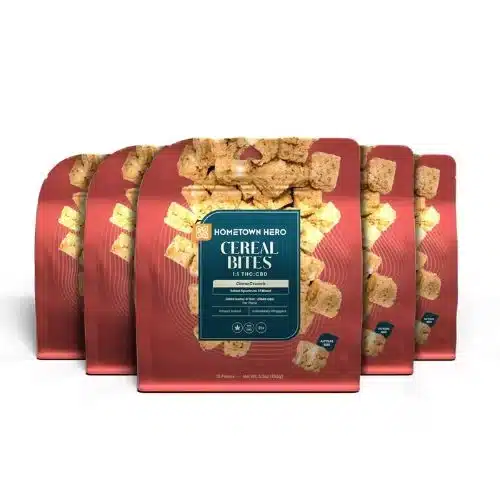
Hometown Hero Cereal Bites Cinna Crunch | Delta-9 THC + CBD
-
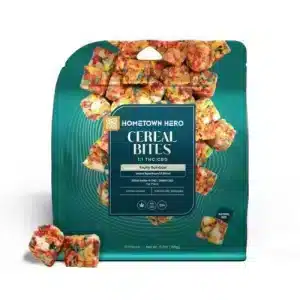
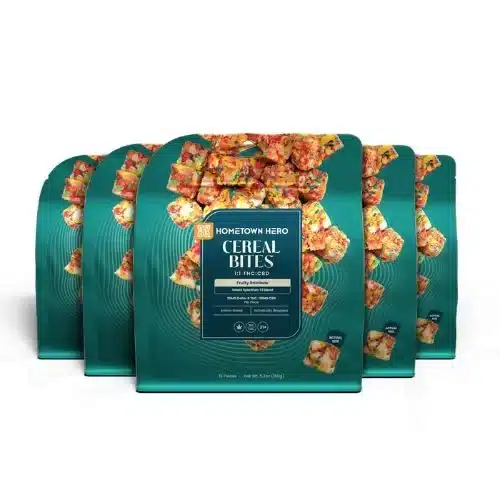
Hometown Hero Cereal Bites Fruity Rainbow | Delta-9 THC + CBD
-
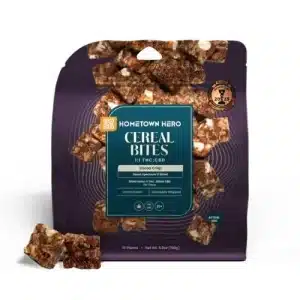
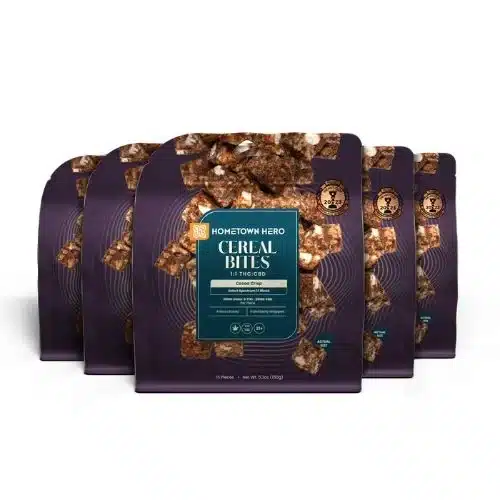
Hometown Hero Cereal Bites Cocoa Crisp | 1:1 Delta-9 THC + CBD
-
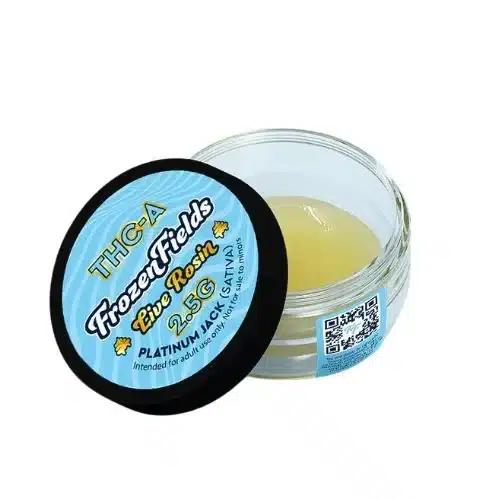
Frozen Fields THCA Live Rosin | 2.5g Solventless Concentrate
ConcentratesFrozen Fields THCA Live Rosin | 2.5g Solventless Concentrate
$49.95 Select options This product has multiple variants. The options may be chosen on the product page