Every vote helps us continue serving Orange/Chatham County, and your support means the world to our local team.
20% OFF URB Trippin Gummies (Buy 2+) ~ Use Code: trippin20off
Buy 1 Bhumi, get 25% OFF your 2nd item ~ Use Coupon Code: bhumi25off
Get 5 items For 15% OFF – Mix & Sav ~ Use Coupon Code: bfcm15off

CBD is increasingly used to support stress relief, sleep, mood, and overall balance—but results depend heavily on choosing safe, lab-tested, hemp-derived products and using them responsibly. Many people report feeling calmer or sleeping more consistently once they find the right dose and product type.
If you need help selecting products or understanding lab reports, Carolina Hemp Hut offers friendly guidance and vetted, Farm Bill–compliant options.
This guide explains how CBD works, the wellness areas people commonly explore, and how to choose trustworthy formulas. You’ll also learn how to read labels, understand spectrums, and use CBD safely alongside your routine.
The Science Behind CBD and Wellness
CBD is a non-intoxicating compound from hemp that supports sleep, stress, and pain relief. It works through your body’s endocannabinoid system and differs from THC in ways that matter for safety and drug testing.
What Is Cannabidiol (CBD)?
Cannabidiol (CBD) comes from hemp and cannabis plants. It is one of many cannabinoids and does not make you high like THC. You can find CBD as isolates, broad‑spectrum, or full‑spectrum extracts.
Full‑spectrum contains traces of other cannabinoids and may give an “entourage effect.” Lab‑tested, Farm Bill–compliant products are best if they come from hemp. Check Certificates of Analysis (COAs) for potency and contaminants.
Many people use CBD oils, gummies, and topicals to support sleep, calm, or recovery. Start low and go slow, and consult your healthcare provider if you take prescriptions.
How CBD Interacts with the Endocannabinoid System
The endocannabinoid system (ECS) regulates mood, pain, sleep, and immune responses. It includes receptors like CB1 and CB2, enzymes, and endocannabinoids your body makes.
CBD does not bind strongly to CB1 like THC. Instead, it modulates receptor activity and influences endocannabinoid levels, changing how your ECS responds to stress and inflammation.
CBD also acts on serotonin and TRPV1 receptors, which relate to mood and pain signaling. These actions are not cures but may help your body stay balanced. Quality matters: lab‑tested CBD with clear dosing helps you track effects and avoid unexpected THC exposure.
CBD vs. THC: Key Differences for Wellness
CBD and THC are both cannabinoids, but they affect you differently. THC binds more directly to CB1 receptors and causes intoxication. CBD is non‑intoxicating and may reduce some THC effects. If a product has too much THC, you could fail a drug test or feel impaired.
Hemp‑derived products must meet legal THC limits. For wellness, many choose CBD to avoid a high while getting potential support for anxiety or sleep. Always read labels, verify third‑party COAs, and follow age and legal rules in your area.
CBD Wellness Benefits and Potential Uses
CBD may help with stress, sleep, pain, and inflammation. Many people use hemp-derived CBD to support daily calm, better rest, and lower discomfort while following safety and testing practices.
CBD for Stress and Anxiety
You might try CBD to ease everyday stress and mild anxiety. Research and user reports say CBD interacts with receptors that influence mood and stress response.
Start with a low dose and increase slowly. Many people report feeling less tense within an hour of a tincture or vape, while gummies take longer but last longer. Check lab-tested, Farm Bill–compliant products and avoid high-THC items if you must pass drug tests.
Talk to your healthcare provider if you take psychiatric meds. Consultations can help you choose products and dosing that fit your needs.
CBD and Inflammation Relief
CBD acts as an anti-inflammatory agent in lab and animal studies and in many user experiences. People with arthritis and inflammatory aches often use topical creams for joint spots and oral CBD for systemic inflammation.
Use topical balms for localized soreness and tinctures or capsules for broader effects. Look for products labeled with third-party COAs and clear cannabinoid content. Keep expectations realistic: CBD may help reduce symptoms, but it is not a cure.
If you have an autoimmune disease or take anti-inflammatory drugs, consult your clinician before adding CBD.
Enhancing Sleep Quality with CBD
You can use CBD to support better sleep by reducing nighttime stress and easing discomfort that interrupts rest. Many users report improved sleep onset or longer, less-fragmented sleep after trying low-to-moderate CBD doses.
Try a night formula with calming terpenes or a CBD+CBN blend if you wake at night. Avoid high-dose stimulatory products late in the day. Practice “start low, go slow” and track how long effects last so you can time doses ahead of bedtime.
Always check product testing and follow 21+ rules. If you have chronic insomnia, speak with a sleep specialist before relying solely on CBD.
Pain Relief and Chronic Conditions
People with chronic pain use CBD for neuropathic pain, muscle soreness, and conditions like osteoarthritis. Topicals can target sore spots; oral forms aim to reduce overall pain signaling and improve daily function.
Evidence varies by condition. Some clinical studies and many patient reports show symptom relief, while others show modest effects. Use combination approaches: physical therapy, sleep hygiene, and prescription care alongside CBD.
If you take blood thinners or other chronic medications, consult your doctor. Personalized wellness consultations can guide product selection, dosing, and delivery methods.
Types of CBD Products for Wellness
You can pick products that match how you want to take CBD, how fast you need effects, and where you want relief. Think about onset time, how long effects last, and whether you want whole-body or local use.
CBD Product Types & When to Use Them: A Quick Comparison:
Researchers and wellness clinicians often compare CBD delivery methods based on onset time, duration, and how well each format fits common wellness goals.
The table below summarizes general patterns reported in consumer studies and educational materials from the National Center for Complementary and Integrative Health (NCCIH), which provides public guidance on cannabinoid research.
You can see the practical differences among oils, edibles, and topicals. This way, you can choose a product that matches your timing needs and the type of support you want.
Comparison of Common CBD Product Types
| CBD Product Type | Onset Time | Duration | Best For | Notes |
| Tinctures/Oils | 15–45 min | 3–6 hrs | Stress, sleep, daily balance | Flexible dosing; faster than edibles |
| Gummies/Capsules | 30–90 min | 4–8 hrs | Long-lasting support | Precise dosing; slower onset |
| Topicals | 5–30 min | 1–3 hrs | Local joint/muscle discomfort | Apply directly; no intoxication risk |
CBD Oils and Tinctures
CBD oil and tinctures come in dropper bottles you place under the tongue. This method gives faster absorption than edibles and usually works within 15–45 minutes. Dosing is flexible: read the label, start low, and increase by small amounts until you find what fits you.
Look for lab-tested, Farm Bill–compliant formulas and clear milligram amounts per mL. Full-spectrum products contain minor cannabinoids and terpenes; broad-spectrum removes THC; isolates are pure CBD. Keep bottles cool and dark to preserve quality.
You can mix tinctures into food or coffee, but sublingual use gives more consistent results. If you need help choosing strength or spectrum, wellness consultations can point you to COAs.
Edibles: Gummies and Capsules
Gummies and capsules offer precise dosing and easy, discreet use. They take longer to work—often 30–90 minutes—because digestion slows absorption. Effects can last 4–8 hours, making them useful for steady, all-day support.
Gummies may include added botanicals like melatonin or chamomile. Capsules and softgels provide predictable CBD milligrams per serving and fit into daily supplement routines. Check ingredient lists for sugars, allergens, and added cannabinoids like CBG or Delta 8/9/10.
Store edibles in a cool, dry place and follow age restrictions and dosing advice. If you worry about drug testing, choose broad-spectrum or CBD isolate and verify lab results. Ask staff for products with third-party COAs when possible.
CBD Topicals for Targeted Relief
Topicals include creams, balms, salves, and roll-ons that you apply to the skin. They work locally and do not typically enter the bloodstream. Users apply them directly to sore muscles, joints, or skin patches for focused relief.
Look for products with clear CBD per serving and supporting ingredients like menthol, arnica, or botanical oils. Emulsifiers and carrier oils affect texture and absorption. Patch-test a small area first to check for sensitivity.
Topicals pair well with internal CBD when you want broad support plus spot treatment. Choose lab-tested topical CBD and follow label directions. For product picks, staff can help you match formulations to your needs.
Choosing and Using CBD for Maximum Wellness
Pick the right type, check lab results, and start with a low dose. Match product form and strength to how you plan to use CBD and your daily routine.
Full-Spectrum, Broad-Spectrum, and Isolate Explained
Full-spectrum CBD contains CBD plus small amounts of other cannabinoids, like trace THC, terpenes, and plant compounds. Many people choose it for the entourage effect, where compounds may work together.
Federal rules under the 2018 Farm Bill allow hemp products with under 0.3% Delta‑9 THC.
Broad-spectrum CBD removes detectable THC but keeps other cannabinoids and terpenes. It can offer some entourage benefits without THC exposure. CBD isolate is pure CBD with no other cannabinoids or terpenes. Isolate gives predictable CBD content and no THC risk.
Choose based on drug‑test risk, sensitivity to THC, and desired effect. If you worry about testing, prefer broad-spectrum or isolate. For local help and tested options, staff can point to products that match your needs.
How to Determine Your CBD Dosage
Start low and go slow. Begin with 5–10 mg of CBD daily and increase by 5 mg every 3–7 days until you find the effect you want. Track time of day, dose, and how you feel in a simple log.
Consider product strength and form. Tinctures give measurable drops, edibles release slowly, and vaping or sublinguals act faster. Read the label for mg per serving and per container. For hemp flower or concentrates, estimate total CBD and use small amounts first.
Body weight, metabolism, and other medications matter. Ask your healthcare provider about interactions. For one-on-one guidance, schedule a personalized wellness consultation.
Quality, COAs, and Safety Considerations
Always check the Certificate of Analysis (COA). A COA from an independent lab shows cannabinoid levels, residual solvents, pesticides, and heavy metals. Confirm the COA matches the product batch number.
Look for Farm Bill–compliant, lab-tested products with clear ingredient lists. Choose brands that state the extraction method (CO2 is common) and manufacturing standards. Follow storage guidelines and keep products out of reach of children.
Avoid claims that sound like cures. Respect age and legal rules (21+ when required). If you use prescription meds, check for interactions and consult your provider. Use tested products, read COAs, and keep dosing records for safe, steady results.
CBD for Specific Health Conditions
CBD may support symptom relief for several conditions, but results vary, and you should consult your provider. Start low and go slow with dosing, and pick lab-tested products.
CBD and Seizure Disorders
CBD has the strongest clinical evidence for certain severe epilepsy syndromes. The FDA-approved medication Epidiolex contains purified CBD and helps reduce seizures in Lennox-Gastaut and Dravet syndrome.
Doctors prescribe Epidiolex under medical supervision with dosing and monitoring. If you consider over-the-counter CBD, tell your neurologist.
CBD can interact with seizure drugs and change blood levels. Watch for side effects like drowsiness, fatigue, liver changes, and diarrhea. Always use products with a certificate of analysis and discuss lab testing with the clinic.
CBD in Neurological and Mental Health
Some people report less anxiety and improved sleep with CBD. For Parkinson’s disease, small studies suggest CBD may ease motor and nonmotor symptoms for some patients, yet evidence remains limited. Research on neuroprotective effects is ongoing.
Always let your doctor know that you are taking CBD, especially if you are on antidepressants or other psychiatric medicines. CBD can affect how the liver processes drugs, which may raise or lower medication levels. Watch out for dizziness, dry mouth, or increased drowsiness.
CBD for Skin Irritation and Beauty
Topical CBD creams and serums may calm redness and soothe irritated skin for some users. Products with added botanicals and the right carrier oils work best for targeted application. Look for lab-tested topicals and check ingredient lists if you have sensitive skin.
Patch test any new product for 24–48 hours. Common topical reactions include mild irritation or contact dermatitis. For beauty uses, avoid unproven claims. If you have an active skin disease, seek advice from a dermatologist before using CBD topicals.
Interactions with Medications
Other drugs and supplements can also interact with CBD. Always tell your pharmacist or doctor about all cannabinoids and botanicals you use. Staff at reputable shops can help you find lab-tested products and discuss safety and dosing.
Bringing CBD Into Your Wellness Routine
CBD can support relaxation, sleep rhythm, and daily balance when used with care. Choosing lab-tested products helps you find steady and predictable effects. Start low, increase slowly, and track how you respond to adjust your routine.
If you want help comparing CBD strengths or choosing safe formulas, our team at Carolina Hemp Hut can guide you with clear, friendly support.
Looking for reliable, well-tested CBD for your wellness goals? Visit our online store and compare products.
Frequently Asked Questions
This section answers common questions about CBD for wellness. It covers benefits, daily use, product quality, gummies, side effects, and legality.
What are the top benefits of using CBD for wellness?
Many people report reduced stress and calmer daily moods after using CBD. Some also say it helps with sleep routines and easing occasional muscle tension. CBD may support focus for some users during busy days. Results vary by person, dose, and product type.
How can CBD help in improving daily wellness?
You can use low-dose CBD to help manage stress before work or errands. Start with a small dose and increase slowly to find what fits you. Adding CBD to a bedtime routine may improve sleep consistency for some. Pair it with good sleep habits for the best results.
What should I look for in CBD wellness products?
Check for third-party lab reports (COAs) showing cannabinoid levels and purity. Look for Farm Bill–compliant, hemp-derived labeling and clear ingredient lists. Choose products with simple, transparent dosing instructions. Prefer brands that say “start low and go slow” and offer customer support.
Are there any wellness advantages to choosing CBD gummies over other forms?
Gummies offer precise, easy dosing and discreet use in public. They last longer than tinctures because digestion slows the release. Some gummies include added herbs or melatonin for sleep formulas. Gummies take longer to work than tinctures or vapes.
Can using CBD for wellness have any adverse side effects?
Some users report mild drowsiness, dry mouth, or digestive changes. Effects often lessen with lower doses or different product types. CBD can interact with some medications. Talk with your healthcare provider before starting CBD if you take prescriptions.

Our Products
-
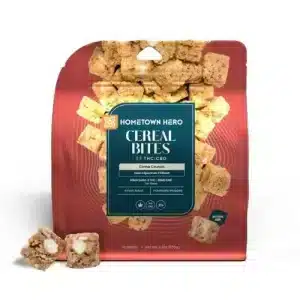
Hometown Hero Cereal Bites Cinna Crunch | Delta-9 THC + CBD
-
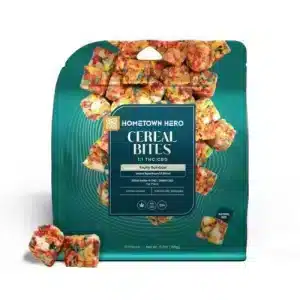
Hometown Hero Cereal Bites Fruity Rainbow | Delta-9 THC + CBD
-
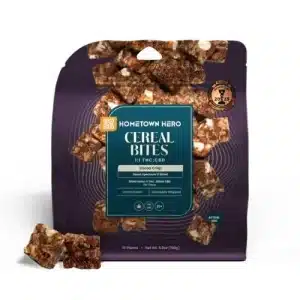
Hometown Hero Cereal Bites Cocoa Crisp | 1:1 Delta-9 THC + CBD
-
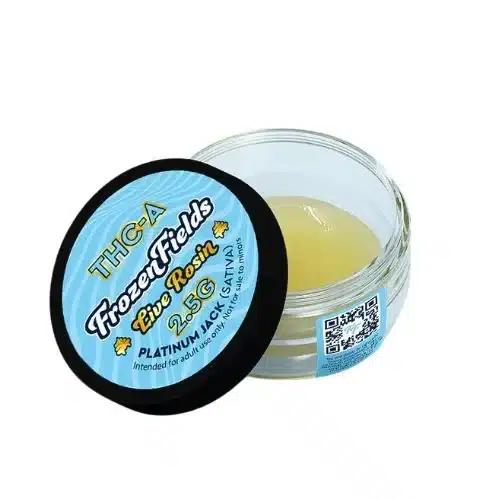
Frozen Fields THCA Live Rosin | 2.5g Solventless Concentrate
ConcentratesFrozen Fields THCA Live Rosin | 2.5g Solventless Concentrate
$49.95 Select options This product has multiple variants. The options may be chosen on the product page