Every vote helps us continue serving Orange/Chatham County, and your support means the world to our local team.
20% OFF URB Trippin Gummies (Buy 2+) ~ Use Code: trippin20off
Buy 1 Bhumi, get 25% OFF your 2nd item ~ Use Coupon Code: bhumi25off
Get 5 items For 15% OFF – Mix & Sav ~ Use Coupon Code: bfcm15off

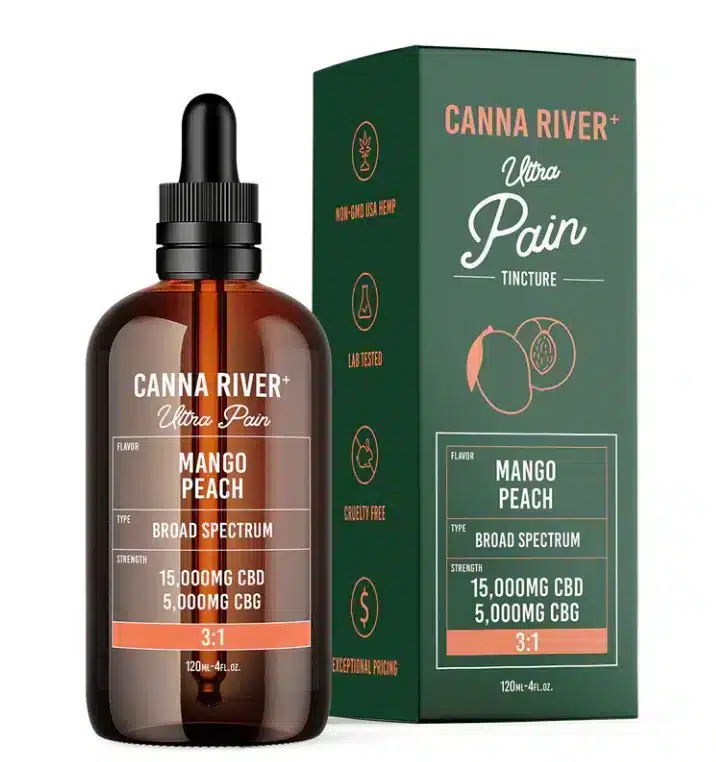
CBD has become a common option for people exploring new ways to manage pain, whether it’s daily discomfort or long-term conditions. Many find value in learning how CBD works and how to use it safely before trying it themselves. Understanding the basics helps you make informed, confident choices.
Carolina Hemp Hut supports people seeking clear, gracious guidance around CBD for pain. Their team focuses on lab-tested, Farm Bill–compliant options and education, so you can decide at your own pace and comfort level.
In this post, you’ll learn how CBD interacts with the body, the types of pain people often explore it for, and how to choose quality products. You’ll also see dosage basics, safety considerations, and practical questions to ask before buying.
How CBD Works for Pain Management
CBD interacts with body systems that control pain, inflammation, and mood. It can change how your nerves signal pain and how your immune system responds.
How CBD May Influence Pain Pathways
Understanding CBD’s influence on the body can be easier with a simple visual. According to the National Center for Complementary and Integrative Health (NCCIH), cannabinoids interact with multiple systems that shape pain perception. This quick list gives you the essentials at a glance.
CBD’s Key Interactions
- May help regulate endocannabinoid levels that affect pain signaling
- May influence serotonin receptors that play a role in mood and discomfort
- May support reduced inflammatory activity in certain tissues
- May calm overactive nerve pathways linked to neuropathic pain
- Works without binding strongly to CB1 receptors, so it does not cause a high
The Endocannabinoid System and Pain Relief
The endocannabinoid system (ECS) helps keep body systems in balance. It uses endocannabinoids and receptors called CB1 and CB2. CB1 receptors sit mostly in the brain and spinal cord, affecting pain signals and movement.
The CB2 receptors sit in immune cells and reduce inflammation when activated. Your body makes endocannabinoids like anandamide, which bind these receptors to calm overactive pain signals.
CBD does not bind strongly to CB1 or CB2. Instead, it changes how endocannabinoids work, raises anandamide levels, and affects other receptors that modulate pain. This can lower both nerve pain and inflammatory pain.
CBD, Cannabinoids, and Pain Pathways
CBD is one of many cannabinoids found in hemp and cannabis. Cannabinoids act on multiple pain pathways at once. CBD influences serotonin and vanilloid receptors that shape pain perception. It may reduce inflammatory chemicals and immune cell activity, easing swelling and tenderness.
For nerve pain, CBD may calm overactive nerve firing and improve signaling. For chronic inflammatory pain, it may limit immune-driven damage. Choose lab-tested, Farm Bill–compliant CBD and start with a low dose. Talk with your healthcare provider if you take other medicines.
CBD vs. THC in Pain Management
THC binds directly to CB1 receptors and changes pain perception and mood, causing intoxication at higher doses. CBD does not cause a high and works through indirect ECS effects and other receptors. Many people prefer CBD for daily pain support because it lacks intoxication.
Some patients report better relief when CBD and THC are used together, known as the entourage effect. That mix can boost pain relief but may increase impairment and legal concerns.
Types of Pain Addressed by CBD
CBD may help reduce pain signals, lower inflammation, and ease nerve discomfort. You should still check with a doctor and start low, go slow.
CBD for Chronic Pain
Chronic pain lasts months or longer and can come from arthritis, back issues, or fibromyalgia. Many people report lower pain scores after using hemp-derived CBD products, especially full- or broad-spectrum formulas that are lab-tested.
Use oral tinctures or capsules for steady effects, and topicals for joint or muscle spots. Start with a low dose and track changes for two weeks before adjusting. Look for products with a Certificate of Analysis (COA) to confirm potency and purity.
Always ask your healthcare provider about interactions with other medications.
CBD for Neuropathic Pain
Neuropathic pain comes from nerve damage and feels like burning, tingling, or electric shocks. Studies and customer reports show CBD may calm overactive nerve signals and reduce sensitivity.
You might prefer oral products for widespread nerve pain and transdermal patches or creams for localized areas. Combine CBD with gentle lifestyle steps: sleep support, mild exercise, and stress management. Track symptom changes, including sleep quality and daily function.
Avoid claims of cures. Discuss CBD with your clinician if you take anticonvulsants or blood thinners, since interactions can occur. Use lab-tested products and follow dosing guidance.
CBD and Inflammatory Pain
Inflammatory pain comes from an immune response, like swollen joints or tendonitis. CBD shows anti-inflammatory effects in lab studies and may help with pain reduction and stiffness for some people.
Topicals can target inflamed spots, while oral forms may address systemic inflammation. Choose products labeled anti-inflammatory or with added botanicals known to support joints, and check COAs for purity.
Combine CBD use with proven measures: weight management, physical therapy, and an anti-inflammatory diet. Start with a low dose and increase gradually while noting changes in swelling and mobility.
CBD for Cancer Pain
Cancer pain varies by type and treatment. Patients often describe mixed pain: nerve, inflammatory, and tissue pain. CBD may help manage pain and reduce treatment-related symptoms for some people, according to patient reports and emerging research.
Discuss CBD with your oncology team before starting. Interactions with chemotherapy or supportive meds are possible. Choose hemp-derived, Farm Bill–compliant products that are lab-tested for contaminants.
Many patients find a combination approach works best: topical for sore areas, oral for general relief, plus medical pain management.
Forms and Delivery Methods of CBD Products
You’ll find CBD in many forms, each with different speeds, strengths, and ways to use. Choose based on how fast you need relief, where you feel pain, and how comfortable you are with dosing.
CBD Oils and Tinctures
CBD oil and tinctures come in a dropper bottle and go under your tongue. Hold the oil for 30–60 seconds for better absorption into the mouth tissues. This route acts faster than pills and gives steadier effects than edibles.
The oils list CBD concentration (mg per mL) so you can dose precisely. Start low, like 5–10 mg, and increase slowly. Look for lab-tested, Farm Bill–compliant hemp-derived CBD and a clear Certificate of Analysis (COA).
Full-spectrum oils contain trace THC; broad-spectrum removes THC; isolates are only CBD. Many people use CBD oil for pain because it’s flexible: mix with food, take sublingually, or add to a topical. Keep bottles away from heat and light to preserve quality.
CBD Topicals and Balms
Topicals come as creams, balms, or salves you rub onto skin. They target localized pain in joints, muscles, and tender spots. You won’t feel psychoactive effects from hemp-derived topicals with legal THC limits.
Ingredients matter: look for simple formulas with CBD, carrier oils (like hemp seed oil), and soothing botanicals. Massage a small amount into the area and reapply as needed. Topicals may include added menthol or camphor for cooling or warming sensations.
Topicals suit people who prefer not to ingest CBD. Check COAs for potency and contaminants. If you use prescription patches or have broken skin, ask your healthcare provider before applying.
CBD Oral Sprays and Capsules
Oral sprays and capsules offer measured dosing and convenience. Capsules are swallowed and processed through the digestive system, so effects take 45–90 minutes but last longer. Sprays use oromucosal delivery when sprayed inside the cheek or under the tongue, giving a faster onset than pills.
Capsules list CBD per capsule for simple math. Sprays show mg per spray and let you micro-dose. Both are discreet for work or travel. Watch for added ingredients like sweeteners or other botanicals.
If you worry about drug tests, choose hemp-derived, broad-spectrum, or isolate products and check COAs. Start with low doses and track how long effects take and how long they last for your body.
Hemp-Derived vs. Cannabis-Derived CBD
Hemp-derived CBD comes from Cannabis sativa plants grown for low THC and high CBD. It’s typically Farm Bill–compliant and sold widely. Cannabis-derived CBD comes from higher-THC plants and may contain more THC depending on the extract.
Hemp-derived products usually meet the 0.3% THC legal limit. Cannabis-derived extracts may produce stronger effects and could cause a positive drug test. Choose hemp-derived for compliance, predictable dosing, and easier access.
When shopping, check that the product is lab-tested and labeled clearly. Start low and go slow, and consult your provider if you have health concerns.
Effectiveness and Clinical Evidence
CBD shows mixed clinical results for pain. Some high-quality reviews find modest benefit for specific pain types. Other trials show little or no effect. Look for well-designed studies and clear reporting when you evaluate claims.
Systematic Reviews and Study Designs
Systematic reviews follow methods like PRISMA 2020 to collect and assess trials. High-quality reviews compare randomized controlled trials (RCTs), observational studies, and crossover designs.
Reviews rate studies by risk of bias, sample size, and outcome measures. Heterogeneity often appears because studies use different CBD doses, formulations, and pain scales. When a review group’s trials use very different methods, pooled results may be unreliable.
You should weigh trials that use blinded RCTs and clear outcome timing more heavily. Check for COAs and lab testing when trials report product details. That helps confirm what participants actually used.
Results from Clinical Trials
Clinical trials show the strongest signals for neuropathic pain and cancer-related pain with some cannabinoid formulations. Nabiximols (a THC spray) has positive RCT results for spasticity and cancer pain in multiple trials.
Pure CBD trials are smaller and more varied. Some RCTs report reduced pain scores; others find no difference from placebo. Side effects reported include drowsiness and GI upset. Dose ranges in trials vary from low mg daily to much higher amounts.
Many studies advise “start low, go slow.” You should note whether a trial used oral, topical, or inhaled CBD, since delivery affects results. Clinical evidence is improving but not yet definitive for most chronic pain types.
The Entourage Effect and Whole Plant Benefits
The entourage effect suggests whole-plant extracts may work differently than isolates. Terpenes and minor cannabinoids could modulate CBD’s effects. Trials comparing full-spectrum extracts to CBD isolate are limited but growing.
Some show better symptom control with full-spectrum products; others show no clear advantage.
Heterogeneity in extract composition makes comparisons hard. Whole-plant products may contain trace THC; check Farm Bill–compliant labels and lab results. Always discuss potential interactions with your healthcare provider before starting any cannabinoid regimen.
Dosage, Safety, and Potential Adverse Effects
Start low and go slow. Use lab-tested, Farm Bill–compliant products and check third-party COAs. Talk with your healthcare provider about doses and possible interactions.
Understanding CBD Dosage
You should start at a low dose and increase slowly. A common starting range is 10–25 mg of CBD once daily. Track effects for 3–7 days before raising the dose by 5–10 mg.
Form matters: tinctures absorb faster than edibles. Topicals act locally and usually need higher amounts on the skin. Read product labels for concentration (mg per mL or mg per serving).
If you use nonprescription CBD, pick products with clear dosing instructions and third-party lab results. For chronic pain, many people find benefit in multiple daily doses rather than one large dose.
Common Side Effects and Safety Considerations
Mild side effects can include drowsiness, dry mouth, and changes in appetite. These effects often go away with lower doses or time. Stop use and consult a provider if you have severe symptoms like fainting or severe nausea.
Avoid driving or operating heavy machines until you know how CBD affects you. Keep products away from children and pets. Pregnant or breastfeeding people should avoid CBD unless a clinician advises otherwise. Look for products that list full ingredient details and batch COAs.
Drug Interactions and Contraindications
CBD changes how your liver metabolizes some drugs by affecting cytochrome P450 enzymes. This can raise or lower blood levels of medicines like blood thinners, seizure drugs, and some antidepressants.
Always tell your prescriber you use CBD and bring product labels or COAs. Your clinician may check blood levels or adjust medication timing. Do not stop prescribed meds without medical advice.
People with liver disease or those taking multiple medications should consult a healthcare provider before trying CBD. If you need help checking interactions, staff at local dispensaries can point you to pharmacists and resources.
Selecting and Using CBD Products Responsibly
Choose lab-tested, Farm Bill–compliant products with clear labels. Look for product type, cannabinoid amounts, and dosing guidance before you buy.
Identifying Quality CBD Products
Check the COA (certificate of analysis) for each product. The COA shows CBD, CBG, THC content, and testing for pesticides and heavy metals. Choose products with third-party lab tests from accredited labs.
If you want minor cannabinoids and flavonoids, prefer full-spectrum products. Full-spectrum can include trace THC under 0.3% per federal rules. If you need to avoid THC, choose broad-spectrum or isolate.
Read labels for serving size and mg of CBD per dose. For pain, start low and go slow—try 5–10 mg and increase gradually. Keep products in original packaging and store them away from heat.
Legal and Regulatory Aspects
Hemp-derived CBD with less than 0.3% Delta-9 THC is federally legal. States can add rules, so check local laws if you live in the Triangle. Do not transport hemp across places where it is restricted.
Age limits matter: many shops require 21+. Some CBD products can show up on drug tests if they contain THC. If you face testing, choose THC-free COAs and documented batch reports.
Many dispensaries sell lab-tested, Farm Bill–compliant products and offer consultations to review legality and testing for your needs.
Market Trends and Consumer Tips
The CBD market now includes oils, topicals, gummies, and blends with botanicals and mushrooms. Demand for full-spectrum and minor cannabinoids like CBG is growing. Look for products that list flavonoids and terpenes if you want a broader plant profile.
Compare the price per mg of CBD to spot value. Beware of exaggerated claims; no product can promise cures. Ask for COAs and batch numbers before buying. Use small amounts and track how each product affects your quality of life.
If you need help, book a consultation with a local dispensary. Many shops offer same-day delivery and in-store guidance to match products to your goals.
Your Next Step Toward Safer, More Informed CBD Use
CBD can be a helpful part of your pain-management toolkit when you understand how it works, how to choose quality products, and how to use it responsibly. Clear expectations and slow, steady dosing help you find what fits your goals.
The team at Carolina Hemp Hut is committed to guiding customers with compassion, education, and tested products. Their approach helps you explore CBD with confidence and care, especially when pain affects daily life.
Ready to explore high-quality CBD options? Visit our Hillsborough shop or browse online to find lab-tested products and supportive guidance.
Frequently Asked Questions
This section answers common questions about using CBD for pain. It covers benefits, dosing, side effects, interactions, conditions, and timing.
What are the potential benefits of using CBD for chronic pain relief?
Many people report less daily pain and fewer flare-ups. Some find improved sleep and reduced muscle tension alongside pain relief. CBD may support natural pain pathways without causing a high. Choose lab-tested, Farm Bill–compliant products for safety.
How do I determine the appropriate dosage of CBD for managing pain?
Start low and go slow. Begin with a small dose each day and increase gradually. Track your dose, symptoms, and any side effects in a journal. Consult your healthcare provider, especially if you take other meds.
Are there any side effects associated with using CBD for pain relief?
Common side effects include tiredness, dry mouth, and mild stomach upset. Most effects are dose-related and often ease with lower doses. Watch for sleep changes or lightheadedness when you first try CBD. Stop use and talk to your provider if you have severe reactions.
Can CBD be used alongside traditional pain medications?
CBD can interact with some prescription drugs. Ask your healthcare provider or pharmacist before combining them. Mention CBD use during medical visits and bring product labels. Staff at local dispensaries can help you find lab-tested options and explain product info.

Our Products
-
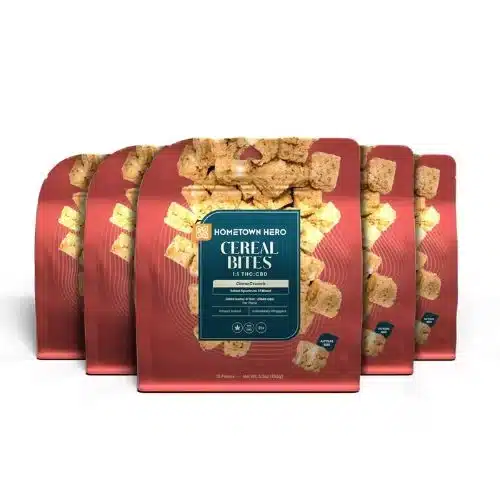
Hometown Hero Cereal Bites Cinna Crunch | Delta-9 THC + CBD
-
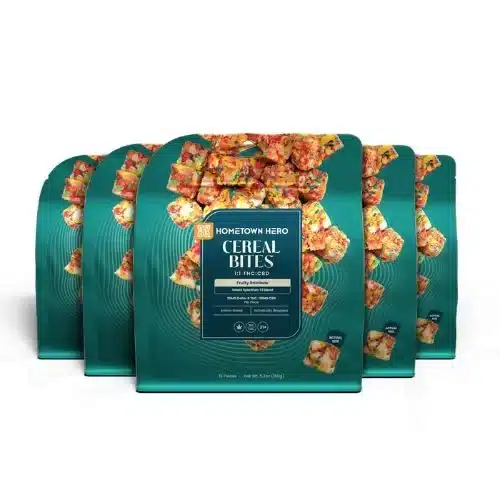
Hometown Hero Cereal Bites Fruity Rainbow | Delta-9 THC + CBD
-
Hometown Hero Cereal Bites Cocoa Crisp | 1:1 Delta-9 THC + CBD
-
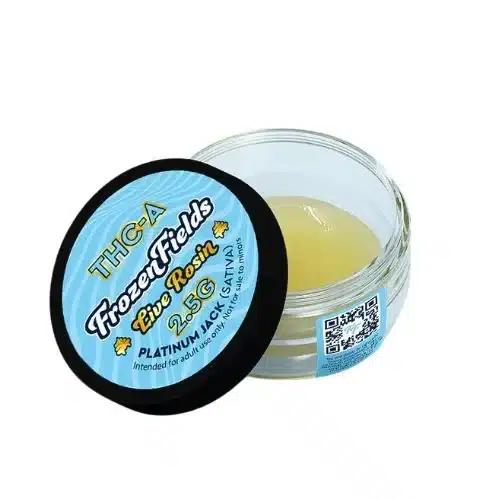
Frozen Fields THCA Live Rosin | 2.5g Solventless Concentrate
ConcentratesFrozen Fields THCA Live Rosin | 2.5g Solventless Concentrate
$49.95 Select options This product has multiple variants. The options may be chosen on the product page