Every vote helps us continue serving Orange/Chatham County, and your support means the world to our local team.
20% OFF URB Trippin Gummies (Buy 2+) ~ Use Code: trippin20off
Buy 1 Bhumi, get 25% OFF your 2nd item ~ Use Coupon Code: bhumi25off
Get 5 items For 15% OFF – Mix & Sav ~ Use Coupon Code: bfcm15off


THCA flower is gaining attention among hemp enthusiasts who want the plant’s natural chemistry without immediate intoxication. The process behind it combines careful genetics, cultivation, and post-harvest handling to preserve THCA in its raw, stable form.
At Carolina Hemp Hut, education and safety are part of every recommendation. Our team helps you understand how THCA flower is cultivated and prepared—from the first seed to final storage—so you can shop confidently and recognize quality when you see it.
In this guide, you’ll learn how growers produce genuine THCA flower, the science that keeps THCA intact, how to distinguish natural buds from sprayed products, and why verified lab testing matters for safety and compliance.
What Is THCA Flower?
THCA flower is hemp flower with high levels of tetrahydrocannabinolic acid (THCA) that preserves plant terpenes and structure. It looks and smells like cannabis bud. The THCA remains in its raw, non-psychoactive form until heat converts it to delta-9 THC.
THCA vs. THC: The Non-Psychoactive Precursor
THCA is the acidic, raw form of THC produced in the living plant. High THCA is found in freshly harvested cannabis or hemp before drying, curing, or heating.
THCA does not cause psychoactive effects. When you apply heat—vaping, smoking, or cooking—THCA converts to delta-9 THC, which is psychoactive. Properly labeled THCA flower lists both THCA content and calculated delta-9 THC after decarboxylation.
Labs report THCA as its own value and usually calculate the possible THC after conversion. This helps you predict effects and legal compliance.
Components of THCA Flower: Cannabinoids and Terpenes
THCA flower contains several plant compounds. The main cannabinoids are THCA and often low amounts of CBD, plus precursor compounds like CBGA. Labs typically show THCA as the dominant cannabinoid in infused or naturally THCA-rich hemp flower.
Terpenes give each strain its smell and can affect the sensory experience. Common terpenes in THCA hemp flower include myrcene, limonene, and pinene. These combine with cannabinoids in the “entourage effect,” which may change perceived effects and aroma.
Check third-party lab results for cannabinoid and terpene panels. Tests also show residual solvents, pesticides, and the delta-9 THC level, confirming safety and potency before you buy.
How THCA Forms in the Cannabis Plant
THCA develops naturally as the plant matures. According to the National Center for Complementary and Integrative Health (NCCIH), cannabinoids begin as precursor acids like CBGA, which enzymes convert into THCA during flowering. Heat or time can then transform THCA into THC through decarboxylation.
Understanding this biosynthesis helps growers decide when to harvest for maximum THCA content before too much natural conversion occurs.
The Legal Status of THCA Hemp Flower
THCA hemp flower is usually produced from hemp strains bred to keep delta-9 THC under 0.3% by dry weight, meeting the federal 2018 Farm Bill definition of hemp. This makes many THCA products federally legal when they come from hemp and test below 0.3% delta-9 THC.
State laws differ. Some states treat high-THCA hemp like controlled cannabis, banning sale or possession regardless of the federal limit. Always check your state rules before buying or carrying THCA flower.
Heating THCA converts it into delta-9 THC. Using THCA flower could produce enough THC to fail a drug test or violate local possession limits. Keep lab reports and local law in mind when choosing a product.
Natural Production of THCA Flower
Genetics, growing choices, and controlled environments shape naturally grown THCA flower. These steps affect THCA potency, terpene profile, and whether a batch qualifies as premium THCA hemp.
Genetic Selection for High-THCA Strains
Select seed or clone lines known for THCA production. Look for documented parents with lab results showing high THCA and Delta-9 under 0.3%. Popular phenotypes include those bred from Gelato, Runtz, or Purple Punch heritage, but always verify the Certificate of Analysis (COA).
Choose clones for consistency, as they keep the mother plant’s chemistry and structure. If using seeds, run a small phenohunt to pick the best THCA performers.
Record breeding data. Track cannabinoid and terpene tests, flowering time, and any stress responses. This builds a reliable genetic library for future premium THCA flower.
Optimizing Cultivation Practices for THCA Production
Maintain stable light, temperature, and nutrition to maximize THCA content. Keep a vegetative period long enough to build biomass, then switch to a flowering schedule suited to your strain’s genetics.
Use living soil or organic feeds to encourage complex terpene and cannabinoid profiles. Beneficial microbes and compost teas improve nutrient uptake and plant health, supporting higher THCA potency.
Manage stress carefully. Mild, timed stress such as controlled water cycles or slight night temps can boost trichome production, but avoid drought or heat that converts THCA to Delta-9 THC or damages buds.
Monitor trichomes instead of relying solely on time. Harvest when most trichomes are cloudy for peak THCA and avoid amber-heavy crops that indicate degradation.
Greenhouse and Indoor Growing Techniques
Greenhouses provide natural light with weather protection—use supplemental LEDs to extend light hours and keep intensity consistent. This balances sustainability with control for premium THCA flower.
Indoors, control humidity and temperature closely. Keep temps around 68–78°F by day and slightly lower at night. Aim for 40–60% relative humidity during flowering to reduce mold and preserve terpene integrity.
Use support systems like trellises and careful pruning to improve light penetration and bud development. Implement integrated pest management and routine lab testing to ensure compliance and quality for THCA hemp.
Track environmental logs and COAs for each batch. That data links your greenhouse or indoor methods directly to THCA potency and helps scale production of naturally grown THCA flower.
Harvesting and Preservation of THCA
Time harvests, monitor trichomes, control drying and curing, and store flower to limit heat, light, oxygen, and handling. Each step helps keep THCA levels as shown on lab tests and keeps buds clean and consistent.
Recognizing the Ideal Harvest Window
Harvest when THCA content peaks and before conversion to THC rises. Use lab tests and trichome checks on multiple plants across the crop to confirm peak THCA levels. Take samples from top, middle, and lower buds; test results give you a numeric THCA value to compare against your target.
Inspect trichomes with a 30–60x loupe. Clear trichomes mean immature THCA. Cloudy or milky trichomes indicate peak THCA. Amber trichomes signal partial decarboxylation and reduced THCA, so harvest before too many appear.
Map your harvest schedule by strain and grow zone. Different genetics reach peak THCA on different days. Harvest in cool hours to lower heat stress and move cut material quickly to controlled storage.
Trichome Monitoring and Collection Methods
Monitor trichomes to judge harvest time and to collect resin when needed. Use a handheld microscope or microscope camera to view trichome heads on buds and sugar leaves. Photograph representative trichomes for batch records and lab reference.
For concentrates, use dry sifting or cold-water extraction to collect trichome heads without heat. Keep material chilled and work quickly to avoid melting or degrading glands. Label all collected kief or hash with source plant, date, and batch number for traceability.
When trimming, handle buds gently to avoid rubbing off trichomes. Use sharp scissors and soft trays. Wear nitrile gloves and change them between batches to reduce contamination and preserve THCA-rich trichome heads.
Drying and Curing for Potency Preservation
Dry flower slowly to 10–12% moisture to protect THCA and terpenes. Hang whole branches or use racks in a room set to 60–65°F and 45–55% humidity. Keep airflow steady but gentle; avoid strong fans that can strip trichomes.
Once stems snap but buds still feel springy, move flowers to curing containers. Use airtight glass jars or food-grade Mylar with small COA and batch labels. Burp jars daily for the first two weeks to release moisture and gases and check for mold.
Curing time varies by strain, but 2–6 weeks is common for stable THCA and terpene profiles. Longer cures at controlled temperature can improve smoothness without significant THCA loss if stored away from light and heat.
Proper Storage to Preserve THCA
Store cured flower in a cool, dark, and stable place to slow decarboxylation and terpene loss. Ideal storage: 50–60°F, 55–62% relative humidity, and no direct light. Use opaque, airtight containers to reduce light and oxygen exposure.
Consider vacuum sealing or flushing with inert gas for long-term storage. Add humidity packs to keep moisture steady. Always keep batches labeled with COA reference, harvest date, and storage conditions.
Limit handling and movement. Each time you open containers, you introduce oxygen and heat. Rotate inventory so older batches move first and maintain records that link lab-tested THCA content to stored lot numbers.
Understanding Sprayed vs. Naturally Grown THCA Flower
Learn how sprayed THCA flower is made, how to spot natural THCA, and what differences to expect when choosing between them.
How Sprayed THCA Flower Is Made
Producers start with regular hemp or CBD-rich buds as the base. They prepare a concentrated THCA solution or extract and apply it evenly to trimmed flowers with sprayers or by hand.
After applying the THCA spray, workers place the buds in a controlled drying area. Proper airflow and low heat help the spray adhere and avoid clumping. Drying time and technique affect texture and how evenly the THCA binds to the bud.
Producers control spray volume and concentration to avoid making buds too sticky or uneven. Reputable sellers test final batches for THCA levels and contaminants.
Signs of Quality and Authenticity
Check the lab Certificate of Analysis (COA). It should list THCA percentage, residual solvents, pesticides, and heavy metals. A third-party COA is the best proof of product testing.
Inspect the buds closely. Naturally grown THCA usually has a dense structure, visible trichomes, and a complex aroma from terpenes. A sprayed flower may look unnaturally glossy, feel slightly oily, or have a less complex scent.
Ask the seller how the product was made. Reliable vendors explain if they applied THCA spray and describe their drying and testing steps. Packaging with batch numbers and test results is a good sign.
Risks and Differences Compared to Natural Flower
Natural THCA develops inside the plant, preserving the full terpene profile. This usually means richer aroma, smoother smoke, and a balanced cannabinoid experience.
Sprayed THCA can match potency but may lack natural terpene depth. If not applied well, it can have uneven potency, altered flavor, or a sticky feel. Residual solvents or additives can be present if the THCA extract wasn’t purified.
Choose lab-tested products from trusted brands. If you care about flavor, aroma, and a full-spectrum effect, pick natural THCA. If price or fast access matters more, sprayed options are available—just check tests and appearance first.
Testing, Quality, and Compliance
Look for clear test results, legal compliance, and visible quality markers before buying THCA flower. Labs, harvest timing, and growing methods all affect whether a batch meets safety rules and delivers the effects you want.
Certificate of Analysis and Lab Verification
The Certificate of Analysis (COA) proves quality. It lists cannabinoid percentages, including THCA and Delta-9 THC, and shows tests for pesticides, heavy metals, and microbes. Make sure the COA includes the lab name, contact info, test date, and batch number matching the product label.
Contact the lab if anything seems off. Legitimate labs confirm batch numbers and results. Watch for red flags like missing lab contact, results at legal cutoffs, or COAs that look basic and lack security features.
Save a copy of the COA. It helps verify authenticity or report problems if needed.
Meeting Legal THC Limits
Federal law limits Delta-9 THC to 0.3% by dry weight in hemp products. THCA flower must test under that limit before sale. Growers monitor plants daily near harvest to control Delta-9 levels.
Just a few days’ delay can push Delta-9 above 0.3%. Indoor or greenhouse grows allow tighter control over temperature and light, reducing the chance of non-compliant batches. If a COA shows Delta-9 above 0.3%, don’t buy it—it’s not legal hemp.
Check the COA date. Tests should be recent and linked to the specific lot you’re buying.
Evaluating Premium and High THCA Flower
Premium THCA flower has high THCA numbers, clean COAs, and strong terpene profiles. Look for 20–30% THCA on the COA for top potency before decarboxylation.
Quality flower passes contaminant screens and shows consistent moisture and trichome coverage. Intact, crystalline trichomes and a fresh aroma indicate good handling and curing.
Price often reflects factors like genetics, indoor cultivation, and repeated lab testing. If a product claims to be premium but lacks a COA or fails contaminant checks, be cautious.
The Role of Terpenes, Flavonoids, and the Entourage Effect
Terpenes, flavonoids, and minor cannabinoids shape aroma, taste, and the effects of THCA flower. Together, they change how the flower feels and its potential benefits.
Terpene Profile: Limonene, Myrcene, and Pinene
Limonene adds citrus notes and often feels uplifting. Strains high in limonene can boost mood and alertness for daytime use. Its scent is easy to spot in fresh THCA flower.
Myrcene gives an earthy, musky smell and is linked to relaxation and sedation, especially when combined with THCA that converts to THC. If your flower smells spicy, myrcene is likely present.
Pinene smells like pine and can improve mental clarity and focus. It may help counteract short-term memory effects from THC. A balanced terpene mix lets you choose a flower for energy or relaxation.
Flavonoids and Minor Cannabinoids
Flavonoids add color and subtle flavors like berries or tea. They have antioxidant and anti-inflammatory roles and help round out taste and effects in THCA flower.
Minor cannabinoids like CBC, CBG, and CBDA are present in smaller amounts but still matter. They bind differently in the body and can change the intensity or direction of effects. For example, CBG can support mood and pain relief without causing a strong high.
Check lab reports for terpene and flavonoid profiles if you want certain effects. Even at low concentrations, these compounds help shape your experience with full-spectrum THCA flower.
How the Entourage Effect Enhances THCA Flower
The entourage effect describes how these compounds work together to shape the effects. When THCA flower contains a complex terpene profile and flavonoids, you get a blended response instead of a single effect.
Limonene may uplift while myrcene calms; together with THCA (which can convert to THC), the result can feel smoother or less anxious than THC alone. Pinene can help preserve alertness, reducing fog from high myrcene levels.
Choose full-spectrum THCA flower for the plant’s natural mix. Pay attention to terpene complexity and lab-tested flavonoid or minor cannabinoid levels to match the flower to your needs.
The Science Behind Quality THCA Flower
Learning how THCA flower is made helps you appreciate the craftsmanship and care that go into each harvest. From genetics to cold curing, every step protects the plant’s natural chemistry and keeps products compliant and consistent.
At Carolina Hemp Hut, we believe knowledge builds confidence. Our commitment to education and transparent sourcing ensures that every hemp product we offer is backed by testing and ethical production standards.
Stop by our Hillsborough shop or browse online to explore lab-tested THCA flower and learn how to identify authentic, naturally grown products that meet your wellness goals.
Frequently Asked Questions
This section answers common questions about laws, growing steps, production differences, home growing, THCA diamonds, and the effects of smoking THCA flower.
What is THCA flower, and how is it different from THC flower?
THCA flower contains tetrahydrocannabinolic acid in its raw, non-psychoactive form. THC flower, by contrast, contains the decarboxylated version that produces a high. When the THCA flower is heated, the acid converts to THC. The difference lies mainly in how the product is processed and used.
Can THCA flower get you high if you smoke it?
Yes, once heated through smoking or vaping, THCA converts into delta-9 THC, which can cause intoxication. If you consume THCA raw—such as in tinctures or cold-pressed products—it remains non-psychoactive. Always use caution when heating or inhaling to understand how much THC you’re activating.
How can I tell if the THCA flower is natural or sprayed?
Naturally grown THCA flower has dense buds with visible trichomes and a rich aroma. Sprayed buds may appear shiny or oily and lack strong scent complexity. Always check for a third-party COA that lists THCA percentage and screens for residual solvents—an essential step in spotting fake or coated products.
Is THCA flower legal everywhere?
Federally, hemp products are legal if they contain no more than 0.3% delta-9 THC by dry weight, even if THCA levels are high. However, some states regulate or ban THCA-dominant hemp because heating it can yield active THC. Check your state’s current hemp laws before purchase or possession.
How can I store THCA flower to preserve potency?
Store THCA flower in airtight, opaque containers at 50–60°F and moderate humidity. Avoid direct sunlight, high heat, and repeated exposure to air. Using humidity control packs helps maintain freshness and prevent decarboxylation. Proper storage ensures the lab-tested THCA content stays stable over time.

Our Products
-
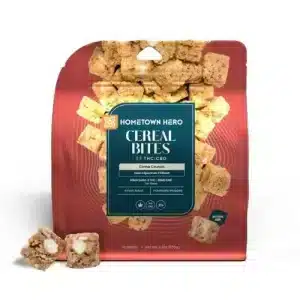
Hometown Hero Cereal Bites Cinna Crunch | Delta-9 THC + CBD
-
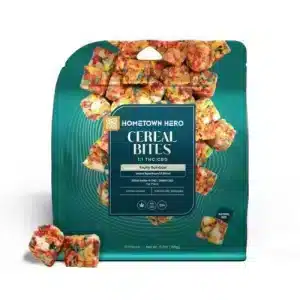
Hometown Hero Cereal Bites Fruity Rainbow | Delta-9 THC + CBD
-
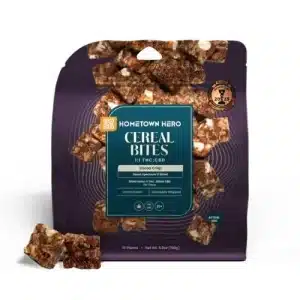
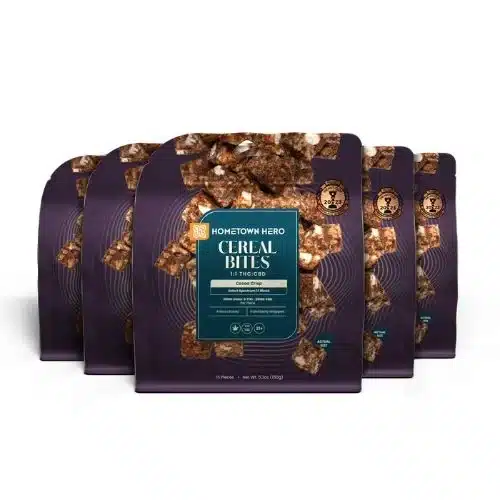
Hometown Hero Cereal Bites Cocoa Crisp | 1:1 Delta-9 THC + CBD
-
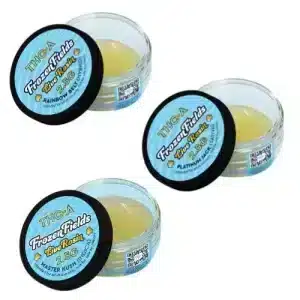
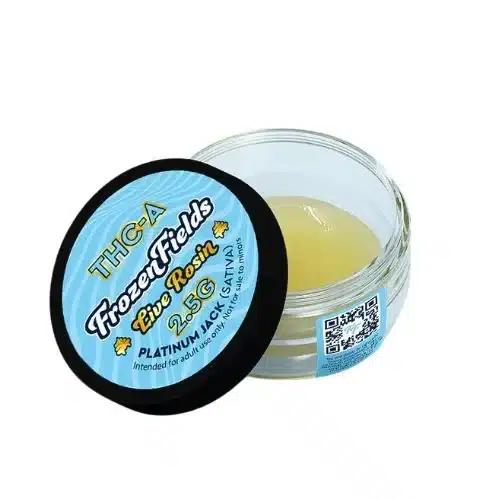
Frozen Fields THCA Live Rosin | 2.5g Solventless Concentrate
ConcentratesFrozen Fields THCA Live Rosin | 2.5g Solventless Concentrate
$49.95 Select options This product has multiple variants. The options may be chosen on the product page