Every vote helps us continue serving Orange/Chatham County, and your support means the world to our local team.
20% OFF URB Trippin Gummies (Buy 2+) ~ Use Code: trippin20off
Buy 1 Bhumi, get 25% OFF your 2nd item ~ Use Coupon Code: bhumi25off
Get 5 items For 15% OFF – Mix & Sav ~ Use Coupon Code: bfcm15off


If you’ve seen THCA flower in hemp shops or online, you may wonder whether it’s actually safe to smoke. This product looks like traditional cannabis but contains THCA, the raw form of THC that becomes psychoactive only when heated.
At Carolina Hemp Hut, our goal is to make hemp education simple, safe, and honest. We help customers understand how THCA changes under heat, what to expect from inhalation, and which safer alternatives or precautions can protect their health and compliance.
In this guide, you’ll learn how THCA transforms during smoking, potential risks and benefits, and how to select quality, lab-tested products to make informed, responsible choices.
What Is THCA Flower and How Does Smoking It Work?
THCA flower is raw cannabis or hemp bud high in tetrahydrocannabinolic acid. When you smoke it, heat turns THCA into active THC, delivering psychoactive effects and producing smoke and combustion byproducts.
THCA vs. THC: Key Differences
THCA is the natural, non-psychoactive form of THC in fresh cannabis plants. It sits in the trichomes of buds and won’t make you high when eaten raw.
THC, or delta-9 THC, is the decarboxylated, psychoactive form. When THCA loses a carboxyl group, it becomes THC and causes intoxicating effects. Regulations may count THCA toward total THC differently, especially for hemp flower that must stay below 0.3% delta-9 THC federally.
How THCA Converts to THC During Smoking
When you smoke THCA flower, the flame heats the buds and causes THCA to quickly convert into delta-9 THC. This instant conversion means the smoke you inhale contains active THC. Because combustion is rapid and variable, dose control is poor, and effects can come on strong and fast compared to edibles.
The Role of Decarboxylation
Decarboxylation removes a carboxyl group from THCA to form THC. Heat triggers this process: smoking, vaping at high temperatures, dabbing, or baking all decarboxylate THCA. Smoking uses very high, short-duration heat for quick conversion, but also creates tar and gases.
Vaping at lower temperatures can activate THC with fewer combustion byproducts, while eating decarboxylated flower gives a slower, longer-lasting effect.
Is THCA Flower Safe to Smoke? Primary Health Considerations
Smoking THCA flower turns THCA into THC, so you face both the immediate psychoactive effects of THC and the respiratory harms of combustion. Consider dose control, how quickly effects start, and lung risks before you inhale.
Short-Term Effects and Psychoactivity
Smoking THCA flower turns THCA into Delta-9 THC almost instantly, so you can feel the effects within minutes. These effects include altered thinking, euphoria, anxiety, or panic, depending on dose and sensitivity. THC binds to CB1 receptors in your brain, causing psychoactivity.
Even one inhalation can cause strong dizziness, a racing heart, or confusion for inexperienced users. Avoid driving or operating machinery while impaired.
Take one small puff, wait 5–15 minutes, and note how you feel before taking more. Lab-tested flower with known potency helps you predict strength.
Long-Term Respiratory Impact
Combustion creates smoke, tar, and tiny particles that irritate your lungs. Regularly smoking plant material can cause chronic bronchitis, cough, and increased mucus production. Smoke also contains carcinogens like PAHs and carbon monoxide, which reduce oxygen delivery and may raise cardiovascular risk over time. Vaporizing at lower temperatures or using tinctures removes many of these lung hazards.
If you have asthma, COPD, or other lung disease, smoking THCA flower increases the chance of flare-ups. Consult your clinician before using inhaled products.
What Experts Say About Cannabis Smoke and Lung Health
According to the Centers for Disease Control and Prevention (CDC), smoking any plant material—including cannabis—produces toxins and irritants that can damage lung tissue over time. These include tar, fine particles, and carbon monoxide, all of which increase risks of bronchitis and chronic cough.
While cannabis smoke differs chemically from tobacco smoke, it still contains carcinogenic compounds. Vaping or using tinctures can reduce exposure to these harmful byproducts, though no method is entirely risk-free.
Dose, Tolerance, and Starting Slow
Your tolerance to THC changes with use. Occasional users feel strong effects from small amounts, while regular users often need more. Smoking converts THCA to THC unpredictably, making dose control harder than with edibles.
Start with 1–2 small puffs and wait. Record the strain and amount so you can repeat what worked. Avoid deep inhalation and breath-holding to limit tar and particle exposure. If you plan frequent use, consider non-combustible methods to manage dose and reduce lung exposure. Use lab-tested products labeled for potency.
Quality, Purity, and Contaminant Risks
Expect clear lab data, no hidden chemicals, and proof a product is safe to inhale. Learn what to look for on a certificate, common contaminants to avoid, and why independent lab testing matters.
The Importance of Certificates of Analysis
A Certificate of Analysis (COA) shows lab results for a specific batch of THCA flower. Look for the sample ID, harvest or batch date, and the lab name to match the COA to your product.
Check the COA for cannabinoid potency (THCA and total THC) so you know how strong the product will be after heating. Also scan for pesticide panels, heavy metals, microbial limits, mycotoxins, and residual solvents. If a vendor won’t show a COA or the report lacks these panels, avoid the product.
Prefer COAs from accredited labs that use clear units. You can often verify authenticity by scanning a QR code or matching sample IDs.
Risks from Pesticides, Mold, and Heavy Metals
Pesticides can remain on flower and form harmful by-products when heated. Inhaled pesticide residues can irritate airways or cause long-term health issues. Avoid products missing a full pesticide screen.
Mold and mycotoxins grow on damp or poorly cured flowers. Mycotoxins can persist and harm lungs when smoked or vaped. If a COA shows microbial contamination or failed mycotoxin limits, do not use the product.
Heavy metals like lead, cadmium, arsenic, and mercury can enter hemp from soil or fertilizer. These metals accumulate in plant tissue and concentrate when burned. Choose vendors that test for heavy metals and publish results below action limits.
Third-Party Lab Testing and Transparency
Independent lab testing means a third-party lab analyzes the product, not the grower or seller. This reduces conflicts of interest and increases confidence in COA accuracy. Always confirm the lab is independent and ISO-accredited if possible.
Transparency means the vendor posts full COAs linked to each product batch. Look for sample ID match, date, testing methods, and all required panels. Avoid products with generic or outdated reports.
For premium THCA flower, choose brands that offer recent COAs, solvent-free processing proofs, and clear traceability from seed to sale. This lowers the chance you inhale unwanted solvents, pesticides, or other contaminants.
Alternatives to Smoking: Safer Methods for THCA Consumption
You can reduce harm by choosing methods that avoid burning plant material. Options like vaping, edibles, tinctures, and raw use change effects, timing, and lung impact.
Vaping THCA vs. Smoking
Vaping heats THCA flower or concentrates below combustion, reducing byproducts like tar and carbon monoxide. You still convert THCA to THC at decarboxylation temperatures, so expect similar psychoactive effects as smoking.
Use a device with precise temperature control. Lower temps (160–180°C) release cannabinoids and terpenes while limiting harsh byproducts. Use tested, clean material and avoid unknown cartridge additives to reduce risk.
Take shorter, gentler puffs and let the device cool between hits. This reduces throat irritation and exposure to hot vapor. Vaping is not risk-free, but generally lessens respiratory stress compared with smoking.
Edibles and Tinctures
Edibles and tinctures avoid lung exposure. When THCA is decarboxylated before cooking or in an extracted tincture, it becomes THC and produces longer, stronger effects. Onset is 30 minutes to 2 hours for edibles and 15–45 minutes for tinctures.
Start with a low amount (2.5–5 mg THC) and wait at least two hours before taking more. Keep products labeled and out of reach of children and pets.
Tinctures let you adjust the dose more easily. A sublingual tincture that’s not fully decarboxylated may deliver less psychoactive effect and more of THCA’s non-psychoactive compounds. Always check lab testing for potency and contaminants.
Raw Consumption and Non-Psychoactive Effects
Eating raw cannabis—like adding finely chopped THCA-rich flower to smoothies—keeps THCA in its non-psychoactive form. You won’t get high because decarboxylation hasn’t occurred. Some people use raw THCA for potential anti-inflammatory or other therapeutic effects without intoxication.
Raw consumption avoids combustion byproducts and lung impacts. It provides cannabinoids, minor terpenes, and plant fiber. Scientific evidence for the benefits of raw THCA is limited, and effects vary by plant chemistry.
If you try raw cannabis, use clean, lab-tested flower and wash it well. Start with small amounts to see how your body reacts, especially if you take other medications.
Additional Insights: Legal, Product Choice, and User Tips
Learn about legal limits, how to pick tested THCA hemp flower, safer ways to consume it, and why terpene mixes matter for effects and flavor.
2018 Farm Bill and Legal Status
The 2018 Farm Bill defines hemp as cannabis with less than 0.3% delta-9 THC by dry weight. If a product meets that limit, it counts as hemp, not marijuana. That’s why many vendors can ship THCA hemp flower nationwide.
States have different laws. Some restrict smokable hemp or define “total THC” differently, making high-THCA flower illegal in some areas. Always check your state’s rules before buying or transporting THCA flower.
When you heat THCA, it turns into delta-9 THC. This raises the THC you inhale and can affect your legal status and drug tests.
How to Choose Quality THCA Flower
Look for a clear Certificate of Analysis (COA) from a third-party lab. The COA should show THCA, delta-9 THC, pesticides, heavy metals, microbes, and residual solvents. Avoid products without a visible COA.
Buy from shops that sell tested THCA flower and labeled pre-rolls or buds. Check strain names and make sure potency matches the COA. Ask about growing practices and harvest dates to check freshness.
Choose vendors who provide batch QR codes and lab results. If you see vague claims or no testing, avoid the product. Quality testing helps protect you from contaminants and solvent residues.
Best Way to Smoke THCA Responsibly
If you inhale, vaporize dry flower at lower temperatures to reduce harmful by-products. Use a reliable dry-herb vaporizer instead of cartridges or improvised devices.
Start with one small puff, wait 15–30 minutes, then decide if you want more. High-THCA flower can become very strong when heated.
Avoid poorly made cartridges and unknown concentrates. If you use concentrates, pick solventless types like rosin. Keep your devices clean and replace coils or screens often. Avoid vaping if you have lung disease, and seek medical help for chest pain or severe breathing issues.
The Role of Terpene Profiles and the Entourage Effect
Terpenes shape aroma, flavor, and part of the effect you feel. Common terpenes in Gelato THCA and other strains include myrcene, limonene, and caryophyllene. These can make the experience feel more relaxing, uplifting, or focused.
Check terpene data on the COA or product page. If you like citrus or sweet flavors, choose strains with more limonene or terpinolene. For body relaxation, look for myrcene-dominant profiles.
The entourage effect means cannabinoids and terpenes work together. Whole THCA hemp flower with a full terpene profile often gives a different experience than isolated THCA concentrates. Choose a product with the terpene and cannabinoid mix that matches your goals.
Balancing Curiosity and Caution
Smoking THCA flower offers fast effects but comes with the same combustion-related risks as traditional cannabis. Understanding how THCA turns into THC helps you manage your experience and protect your health.
At Carolina Hemp Hut, we encourage safe exploration backed by science. Every hemp product we carry undergoes independent lab testing to confirm purity, potency, and compliance—so you can make informed choices with confidence.
If you’re considering THCA flower, visit our Hillsborough shop or explore our online collection to learn about cleaner, lab-tested options for relaxation and wellness.
Frequently Asked Questions
Smoking THCA flower turns most of its THCA into THC, so expect effects, risks, and legal issues similar to regular smoked cannabis. Product quality, how much you inhale, and your health history all affect your experience.
What are the effects of smoking THCA flower?
When heated, THCA becomes THC and acts like smoked cannabis. You may feel relaxed, hungry, or more sociable, depending on dose and strain. Effects start in minutes, peak within an hour, and last a few hours.
Can smoking THCA flower lead to a high sensation?
Yes. Heating THCA creates psychoactive THC, producing the typical cannabis “high.” The intensity depends on THCA content, decarboxylation, and how much you inhale.
Are there any side effects associated with smoking THCA flower?
Short-term side effects include dry mouth, red eyes, increased appetite, dizziness, and anxiety. Overuse can lead to panic, nausea, or disorientation. Smoking also adds risks to your lungs and throat.
Is it safe to use THCA flower on a daily basis?
Daily use increases the risk of tolerance, dependence, and breathing problems. It can also affect mood and thinking. If you use daily, choose tested products, lower doses, and consider non-smoking options.
Why is there a legal concern regarding the use of THCA flower?
Hemp-derived THCA may test under 0.3% Delta-9 THC and seem legal federally, but heating turns it into THC. Some states ban THCA flower or treat it as illegal cannabis. Laws change quickly, so carrying or using THCA flower can risk fines or arrest in some places.
Is it safe for a long-term smoker to start using THCA flower?
If you already smoke tobacco or cannabis, using THCA flower won’t eliminate the harms of inhaling smoke. You may experience similar respiratory effects and impairment risks.
Consult a healthcare provider if you have lung or heart conditions or take medications that interact with cannabinoids. Consider vaping or edibles to reduce lung exposure.

Our Products
-
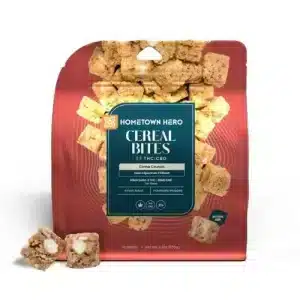
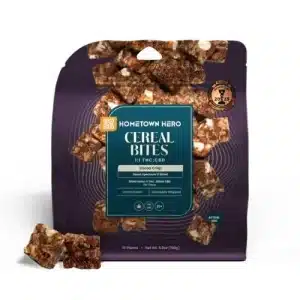
Hometown Hero Cereal Bites Cinna Crunch | Delta-9 THC + CBD
-
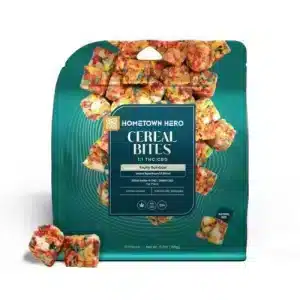
Hometown Hero Cereal Bites Fruity Rainbow | Delta-9 THC + CBD
-
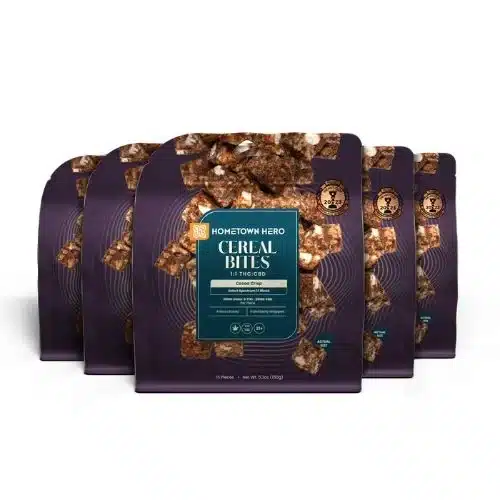
Hometown Hero Cereal Bites Cocoa Crisp | 1:1 Delta-9 THC + CBD
-
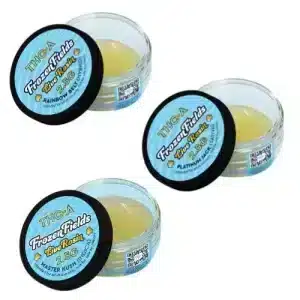
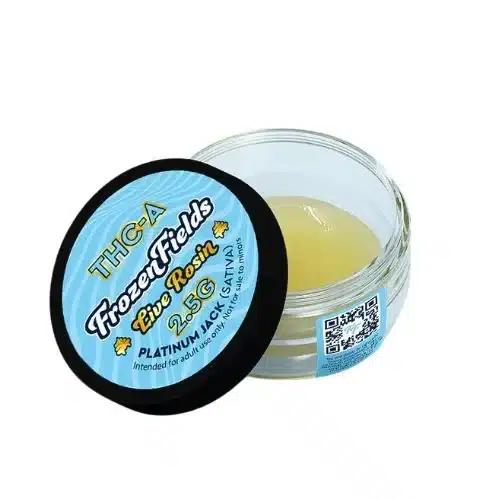
Frozen Fields THCA Live Rosin | 2.5g Solventless Concentrate
ConcentratesFrozen Fields THCA Live Rosin | 2.5g Solventless Concentrate
$49.95 Select options This product has multiple variants. The options may be chosen on the product page