Every vote helps us continue serving Orange/Chatham County, and your support means the world to our local team.
20% OFF URB Trippin Gummies (Buy 2+) ~ Use Code: trippin20off
Buy 1 Bhumi, get 25% OFF your 2nd item ~ Use Coupon Code: bhumi25off
Get 5 items For 15% OFF – Mix & Sav ~ Use Coupon Code: bfcm15off


Knowing the difference between THCA flower and THC flower helps you understand what you’re really buying—and how it may affect you. Though both come from the same plant, one is raw and non-psychoactive until heated, while the other already contains active THC.
Many products now sold as “legal weed” rely on the fact that THCA itself isn’t intoxicating until it’s exposed to heat. But when you smoke or vape THCA flower, it converts into THC and produces the same high as traditional cannabis.
At Carolina Hemp Hut, we focus on giving customers clarity, not confusion. This guide breaks down the chemistry, effects, and legal distinctions so you can shop responsibly and avoid misleading labels or non-compliant products.
THCA Flower vs THC Flower: Core Differences
Here’s how THCA flower and THC flower differ in chemistry, origin, appearance, and smell. Know which one becomes psychoactive, how they form, and what to check on labels.
Defining THCA Flower and THC Flower
THCA flower contains mostly tetrahydrocannabinolic acid (THCA), the non‑psychoactive precursor found in raw cannabis. In its raw state, THCA won’t make you high because it doesn’t bind well to brain CB1 receptors.
THC flower contains active Delta‑9 THC already present in the dried bud. When you smoke, vape, or bake it, you get immediate psychoactive effects.
Heating THCA flower through decarboxylation converts much of the THCA into Delta‑9 THC. This makes heated THCA flower act like THC flower in effect and drug tests. Check product labels for both THCA and Delta‑9 THC percentages to estimate potency.
Origin and Chemical Composition
Cannabis plants naturally produce THCA as they grow. After harvest, drying, or exposure to heat and light, THCA can change into THC.
THC is the decarboxylated form of THCA. THCA has a carboxyl group (COOH) that THC lacks. Heating removes that group and creates Delta‑9 THC, the active cannabinoid that binds CB1 receptors and causes intoxication.
Look for “Total THC” on lab reports. Total THC estimates potential Delta‑9 THC after full decarboxylation and equals (THCA × 0.877) + Delta‑9 THC. This helps you compare the true psychoactive potential between a THCA flower and a THC flower.
Visual and Sensory Comparison
THCA flower and THC flower look almost the same. Both have trichomes, pistils, and dense buds. You can’t tell by sight alone if a bud is mostly THCA or mostly THC.
Aroma and taste come from terpenes, not from THCA or THC directly. Strains with similar terpene profiles will smell and taste similar, whether they are THCA‑dominant or THC‑dominant.
Handling raw THCA flower won’t cause a high. When you heat it, the smell and throat hit mirror regular THC flower. Always read third‑party lab results to confirm cannabinoid content.
How THCA Becomes THC: Decarboxylation Explained
Decarboxylation turns non-psychoactive THCA in flower into psychoactive delta-9 THC by removing a carboxyl group. Heat, time, and moisture affect how much THCA converts, changing the final potency and effects when you smoke, vape, or eat it.
What is Decarboxylation?
Decarboxylation is a chemical change where THCA loses a CO2 group and becomes delta-9 THC. This happens naturally over time, but speeds up with heat. Raw flower can show THCA percent on lab tests; that number tells you how much potential THC you have if fully converted.
In simple terms: THCA → heat/time → THC + CO2. The removed CO2 causes a small weight loss, so your total potential THC is slightly lower than the raw THCA percent suggests. Home methods often convert 60–80% of THCA, while commercial systems can exceed 90%.
Role of Heat: Smoking, Vaping, and Cooking
Smoking or vaping rapidly decarboxylates THCA because flame or high vapor temperatures cause near-instant conversion. When you smoke THCA flower, most THCA becomes THC in the heat, so you feel psychoactive effects quickly as THC binds to CB1 receptors in your brain.
Cooking for edibles needs controlled decarboxylation first. Ovens set around 220–240°F (104–116°C) for 30–60 minutes are common to activate THCA without burning terpenes. If you skip decarboxylation, edibles will be weaker.
Vaping at correct temperatures can preserve terpenes while converting THCA, giving a faster onset than edibles and a cleaner flavor than smoking.
Potency After Conversion
Potency depends on how much THCA actually converts and how you consume it. Total potential THC equals lab-measured THCA percent adjusted for conversion and the molecular weight change from losing CO2. A flower labeled high in THCA can produce much less active THC if decarboxylation is incomplete.
Edibles deliver stronger, longer effects per milligram of THC when decarboxylation is done properly. Smoking and vaping give faster, shorter effects. To estimate strength, use the THCA percent, apply an expected conversion efficiency (for example, 70%), and account for cooking or extraction losses.
Effects, Potency, and Therapeutic Benefits
Learn how THCA and THC differ in mind effects, medical uses, and how cannabinoids plus terpenes shape the experience. Use these points to match a product to your needs—whether you want no high, strong relief, or a specific mood.
Psychoactive vs Non-Psychoactive Effects
THCA in raw flower is non-psychoactive until heat converts it into psychoactive THC. Smoking, vaping, or baking THCA flower turns THCA into delta-9 THC, which then binds to CB1 receptors and produces a high. Eating raw THCA or using cold-processed tinctures will not get you high.
Psychoactive THC commonly causes euphoria, altered perception, and increased appetite. Sativa-leaning types often feel more energetic, while indica-leaning types produce more body relaxation. Dose, tolerance, and metabolism also affect how strong the high feels.
Potential Medical Uses
THC is well-studied for pain relief, reducing nausea, appetite, and sleep. Doctors often recommend THC-containing products for chemotherapy-related nausea and chronic pain.
THCA may offer anti-inflammatory and neuroprotective actions without intoxication when used raw. People looking to reduce inflammation or protect neural tissue may prefer THCA preparations like cold-pressed oils or raw extracts. THCA binds less to CB1 receptors, which explains its reduced psychoactivity.
Cannabinoid and Terpene Profile Impact
Your experience depends on the full chemical profile, not just THCA or THC. Cannabinoids like CBD can soften THC’s psychoactive effects, while minor cannabinoids add unique benefits. Check lab results for cannabinoid percentages to predict potency.
Terpenes shape flavor and modulate effects through the “entourage effect.” Myrcene often increases sedation and pairs well with indica strains, while limonene can lift mood and fit sativa types. Look for detailed terpene profiles—myrcene, limonene, pinene, and caryophyllene are common markers that hint at calming, uplifting, or anti-inflammatory tendencies.
Euphoric Experiences and Other Sensations
Euphoria from THC ranges from mild uplift to intense intoxication, depending on dose and strain. Sativa-like strains usually produce clearer, more cerebral euphoria. Indica-like strains tend to yield heavier body sensations and sedation.
Other sensations include increased appetite, dry mouth, and changes in heart rate. Anxiety or paranoia can occur at high doses, especially with high-THC, low-CBD products. If you worry about anxiety, choose balanced cannabinoid profiles or start with lower doses and strains high in calming terpenes.
Legality, Regulations, and Testing
Know how federal law, state rules, and lab testing affect whether THCA flower or THC flower is legal where you live. Rules depend on measured Delta‑9 THC, total THC calculations, and evolving state policies.
2018 Farm Bill and the Legal Loophole
The 2018 Farm Bill defined hemp as cannabis with less than 0.3% Delta‑9 THC by dry weight. That Delta‑9 threshold left THCA unclear, because THCA converts to Delta‑9 THC when heated. Sellers used that gap to market high‑THCA hemp flower as legal if the raw Delta‑9 stayed under 0.3%.
If you buy THCA hemp flower, check the Certificate of Analysis (COA). The COA must show Delta‑9 THC under 0.3% on a dry weight basis. Don’t rely on marketing terms like “legal THCA” without lab proof. Storage and shipping can raise Delta‑9 levels, so the measured value at sale matters.
Federal Status vs State Laws
Federally, the Farm Bill set a baseline, but many states have stricter rules for hemp products. Some states regulate “total THC,” treating THCA as part of the THC calculation. Other states follow the federal Delta‑9 rule. This patchwork means a product legal in one state can be illegal in another.
Before you transport or possess THCA flower, check state hemp laws where you are and where you’ll travel. Employers may also test for THC metabolites, so legal status does not prevent failing a drug test. Keep paperwork and COAs with your purchase to show compliance if needed.
Total THC Rules and Future Changes
“Total THC” counts Delta‑9 THC plus the potential Delta‑9 from THCA after decarboxylation (usually THCA × 0.877). Regulators are moving toward this standard to close the Farm Bill loophole. Some state laws already use total THC to decide legality.
If total THC rules take effect where you are, high THCA levels in hemp flower will likely make that product illegal. Watch for changes in 2025 and beyond. Always confirm the COA lists both THCA and Delta‑9 values and shows the calculated total THC where required.
Safe Consumption and Choosing Quality Products
Decide how you plan to use the flower, read the lab results, and check the bud before you buy. Focus on clear labels, third-party tests, and proper storage to keep products safe and within legal limits.
Methods of Consumption (Smoking, Vaping, Edibles)
Smoking and vaping quickly convert THCA into active THC. Lighting a joint or using a dry-herb vaporizer heats THCA, creating an immediate high. Vaping at controlled temperatures preserves terpenes and reduces harmful byproducts; use a quality device and follow temperature guidelines.
To make edibles, heat the flower or concentrate in oil or butter before use. Edibles produce a slower, stronger effect—start with 5 mg THC or less and wait 2 hours before taking more. Raw THCA will not intoxicate unless heated.
Concentrates and tinctures provide precise dosing and faster effects when inhaled or ingested. When buying products like live resin or distillate, check potency on the label and use measuring tools for accurate servings.
Buying Tips and Third-Party Testing
Ask for a Certificate of Analysis (COA) from an accredited lab. The COA should list THCA, Delta-9 THC, total potential THC, and results for pesticides, heavy metals, mold, and solvents. Make sure Delta-9 THC stays under your local legal limit for compliance.
Buy from vendors with clear batch numbers and recent COA dates. When buying THCA flower online, review seller feedback and return policies. Avoid products without proof of lab testing or with vague potency claims.
Check storage and packaging. Airtight, UV-blocking containers keep buds fresh. Do not use products with off smells or visible mold. Always store products away from children and pets.
Why Independent Lab Testing Protects Consumers
Independent lab testing ensures that THCA or THC flower is free from harmful residues and meets legal THC thresholds.
The Centers for Disease Control and Prevention (CDC) notes that contaminants such as heavy metals and pesticides can pose significant health risks when inhaled. Third-party COAs verify purity and potency so buyers know what they’re consuming and can avoid unregulated products.
Identifying Premium and High-Quality Options
Look for dense, well-formed buds with visible trichomes and intact pistils. Premium strains have a sticky, crystalline appearance from THCA-rich resin. Avoid dry, brown, or stemmy flowers, which signal poor curing.
Check terpene profiles and potency numbers on the COA. High-quality products list THCA percentage, total potential THC, and a terpene breakdown. These details help predict aroma and effects.
Choose vendors who provide strain lineage, cultivation details (indoor or outdoor), harvest date, and curing time. Select sellers with clear shipping and storage advice to prevent accidental decarboxylation during transit.
Accessibility, Availability, and Practical Considerations
Know where products are sold, how markets differ, and what legal risks exist. Prices, testing, and state rules affect what you can buy and how safe it is to use.
Where to Buy THCA Flower and THC Flower
Buy THC flower at licensed recreational dispensaries in states allowing adult use. Dispensaries offer tested products, clear potency labels, and staff who can explain strains and dosing. Prices vary by state and quality; indoor, lab-tested flower costs more.
Buy THCA hemp flower online from hemp retailers and some smoke shops in many states. Look for COAs showing THCA and delta‑9 levels, pesticide screens, and terpene reports. Online vendors may ship to states without recreational cannabis, but carriers or state laws can block delivery.
Some vape shops and hemp specialty stores carry legal THCA hemp. Always ask for recent lab results before buying. Avoid sellers who cannot provide third‑party testing.
Hemp vs Recreational Cannabis Markets
Recreational cannabis uses licensed dispensaries, regulated supply chains, and strict testing for potency and contaminants. Products have predictable labels, age checks, and consumer protections. Medical programs add more variety in some states.
Hemp markets include online stores, regional smoke shops, and mainstream retailers selling hemp flower and “legal THCA.” Hemp businesses follow the 0.3% delta‑9 rule, but enforcement and testing standards vary by state. The same THCA hemp strain might be legal in one state and restricted in another.
Hemp market prices are usually lower for bulk flower but can rise for premium, lab-tested THCA hemp. Dispensaries often have better availability of specific strains due to licensed breeders.
Product Availability and Legal Risks
Availability depends on state law and testing. States using a “total THC” standard (delta‑9 + THCA×0.877) ban many THCA hemp products. Check your state’s rules before buying THCA flower.
You risk legal problems if THCA hemp tests over the legal delta‑9 limit after curing or transport. This can result in seized shipments or fines. Heated THCA can also cause positive drug test results.
Reduce risk by verifying COAs, buying from established brands, and avoiding products without clear lab data. For consistent labeling and protection, shop at licensed recreational dispensaries when possible.
Using THCA and THC Flower Safely and Responsibly
THCA flower and THC flower may look identical, but heating changes everything. Once decarboxylated, THCA delivers the same psychoactive effects as THC, along with the same potential legal and health considerations. Understanding lab results, cannabinoid percentages, and total-THC calculations helps you stay informed and compliant.
At Carolina Hemp Hut, we believe transparency matters as much as potency. Our hemp-derived selections are tested for purity, potency, and compliance—so you can explore cannabinoids with confidence.
Explore verified THCA and full-spectrum hemp products at our store and learn how to choose clean, tested flower for your wellness routine.
Frequently Asked Questions
This section covers common questions about how THCA and THC flower act, how THCA flower is made, and what to watch for when buying or using these products.
What are the effects of THCA flower compared to THC flower?
THCA in its raw form is non-psychoactive and does not produce a high. THC flower, which contains decarboxylated THC, causes effects like euphoria and relaxation. The strength depends on THC percentage, dose, and your tolerance.
How do you produce THCA flower?
Grow hemp plants that test under legal delta-9 THC limits before harvest. Harvest and dry the flower carefully to prevent decarboxylation into THC. Processors keep products cool and out of light to preserve THCA and use lab testing to show cannabinoid levels.
Can smoking THCA flower induce a high?
Yes. Smoking heats THCA and converts it to THC, creating an intoxicating high. To avoid a high, do not smoke, vaporize, or cook THCA flower.
What are some top-rated THCA flowers on the market?
Top-rated products vary by region and testing. Look for brands with up-to-date COAs showing THCA and delta-9 THC levels. Check reviews from verified buyers and prioritize products with traceability and third-party testing.
How do THCA and THC percentages compare in cannabis products?
Raw flower usually has high THCA and low delta-9 THC. Labs report both and may use a formula: “total THC” = (0.877 × THCA) + THC to estimate potential THC after heating. Always compare both numbers and check the COA date to understand potency.
Is consuming THCA flower considered safe?
Risks depend on how you use it. Smoking THCA flower turns it into THC, which can cause impaired driving, cognitive effects, and possible dependence.
Check for contaminants. COAs should show no pesticides, heavy metals, or solvents. Follow local laws and keep products away from children and pets.

Our Products
-
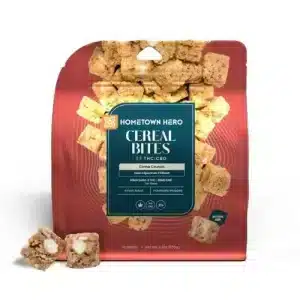
Hometown Hero Cereal Bites Cinna Crunch | Delta-9 THC + CBD
-
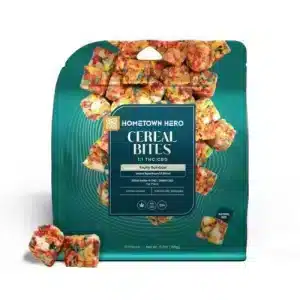
Hometown Hero Cereal Bites Fruity Rainbow | Delta-9 THC + CBD
-
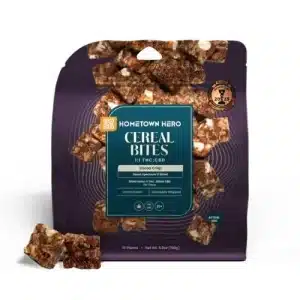
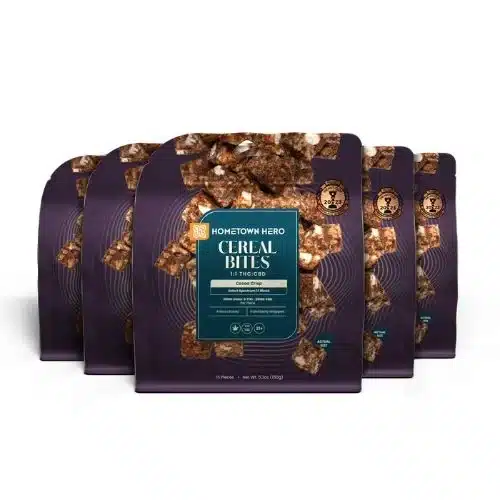
Hometown Hero Cereal Bites Cocoa Crisp | 1:1 Delta-9 THC + CBD
-
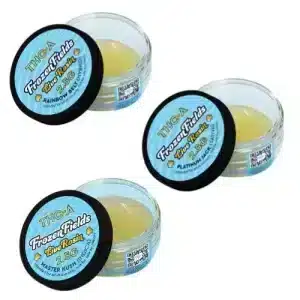
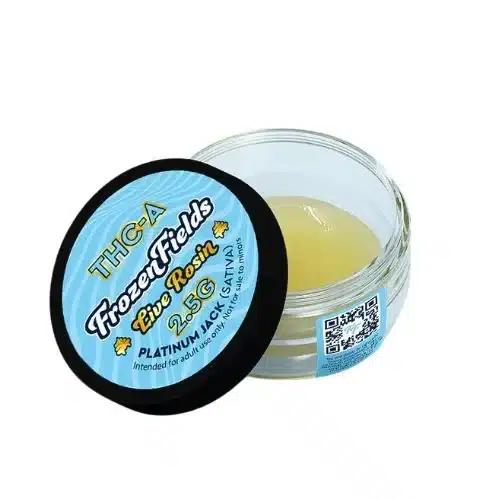
Frozen Fields THCA Live Rosin | 2.5g Solventless Concentrate
ConcentratesFrozen Fields THCA Live Rosin | 2.5g Solventless Concentrate
$49.95 Select options This product has multiple variants. The options may be chosen on the product page