Every vote helps us continue serving Orange/Chatham County, and your support means the world to our local team.
20% OFF URB Trippin Gummies (Buy 2+) ~ Use Code: trippin20off
Buy 1 Bhumi, get 25% OFF your 2nd item ~ Use Coupon Code: bhumi25off
Get 5 items For 15% OFF – Mix & Sav ~ Use Coupon Code: bfcm15off


CBD has become a popular wellness option, but clear, practical information is still hard to find. Many people use CBD to support calm, sleep, and everyday comfort, yet results vary, and responsible use matters. Understanding how CBD works can help you make grounded choices that fit your needs.
At Carolina Hemp Hut, education comes first. Our team helps customers sort fact from hype, review lab results, and choose hemp-derived products with realistic expectations. This guidance supports a calmer, safer path for people exploring CBD for stress, rest, or daily wellness.
In this guide, you’ll learn how CBD works, which benefits have evidence, and what to expect based on your goals. You’ll also find safety tips, legal basics, and advice on picking quality, Farm Bill–compliant products. The goal is to help you navigate CBD with clarity and confidence.
What Is CBD? Understanding Cannabidiol
CBD is a natural compound from hemp that may support relaxation, sleep, and comfort for some people. It does not make you high and usually contains very little THC when it meets Farm Bill requirements.
Origins and Sources of CBD
CBD, short for cannabidiol, comes from cannabis plants. Most CBD in stores comes from hemp plants bred for low THC and high CBD. Producers extract CBD from hemp flowers and leaves using CO2 or ethanol. Third-party labs test for potency and contaminants.
Look for labels that say “hemp‑derived,” “lab‑tested,” and “2018 Farm Bill compliant.” The 2018 Farm Bill allows hemp products with up to 0.3% THC to be legal federally. You can ask for proof of origin and purity by checking Certificates of Analysis (COAs).
How CBD Differs from THC
THC (tetrahydrocannabinol) binds to brain receptors and causes a high. CBD does not create this intoxicating effect. CBD interacts differently with the endocannabinoid system and may modulate signaling instead of directly activating CB1 receptors.
Products labeled “pure CBD” or “CBD isolate” contain only cannabidiol. Full-spectrum CBD contains CBD plus small amounts of THC and other cannabinoids.
If you need to avoid THC for drug testing, choose CBD isolate or broad-spectrum products that show 0.0% THC or non-detectable levels on the COA.
CBD, Marijuana, and Hemp: Key Distinctions
Hemp and marijuana are both cannabis but differ by THC content. Hemp contains 0.3% THC or less by dry weight, while marijuana has higher THC. Legal hemp products meet the 2018 Farm Bill standard and must test at or below 0.3% THC. State laws vary, so check local rules.
“Marijuana” usually refers to cannabis used for psychoactive effects. Hemp products labeled “full‑spectrum CBD” may still include trace THC. Ask about lab reports, start with a low dose, and consult your healthcare provider if you have concerns about interactions or drug testing.
Why Hemp Regulations Matter for Consumer Safety
According to the Food and Drug Administration (FDA), hemp-derived CBD products must meet specific THC limits, but the agency also notes that many retail products vary widely in purity and potency.
This inconsistency is why third-party testing is essential when evaluating CBD oils, gummies, and topicals. The FDA highlights that mislabeling is common, with some products containing more THC or less CBD than advertised. Unders
How CBD Works in the Body
CBD acts on a body-wide system that helps keep many functions balanced. It interacts with receptors, boosts natural endocannabinoids, and shifts how other brain chemicals work.
The Endocannabinoid System Explained
The endocannabinoid system (ECS) helps control sleep, mood, appetite, and pain. Your body makes endocannabinoids like anandamide to send signals between cells. Cannabinoid receptors are found across the brain, immune system, gut, and skin.
When endocannabinoids bind to these receptors, they change cell activity to restore balance. Enzymes break down endocannabinoids after they do their job.
CBD does not bind strongly to those receptors but can raise endocannabinoid levels by limiting their breakdown. This indirect action may help explain why people report less stress, better sleep, or less tension after using hemp-derived products.
CB1 and CB2 Receptors
CB1 receptors are most common in the brain and nervous system. They affect mood, memory, coordination, and pain perception, and respond strongly to THC, not CBD. CB2 receptors are mainly on immune cells and in the gut, influencing inflammation and immune responses.
CBD does not attach tightly to CB1 or CB2 but can change how these receptors signal. CBD may also increase endocannabinoids that bind to CB1 and CB2. This shift can tone down overactive immune responses or calm neural circuits without the strong psychoactive effects of THC.
CBD Interactions with Other Neurotransmitters
CBD influences serotonin pathways that affect mood and anxiety. It can boost receptor activity related to serotonin without acting like an antidepressant. CBD also interacts with GABA and glutamate systems, which control calmness and excitement.
These effects may help ease nervous tension and support sleep. CBD may change how your body clears signaling molecules, so dopamine and other transmitters act differently.
These shifts are mild and vary by person. Start with a low dose and check product COAs. Talk with your healthcare provider about medications that affect serotonin or liver enzymes.
CBD’s Key Health Benefits
CBD may help reduce pain, lower inflammation, and ease anxiety. Many people use CBD oil, topicals, or edibles to support daily comfort and better sleep.
Pain Relief and Chronic Pain Management
CBD may help with chronic pain like arthritis, fibromyalgia, and neuropathic pain by interacting with your endocannabinoid system. Studies and user reports show lower pain scores and better daily function when people add CBD oil or topical CBD to their routine.
Use topical CBD for joint or muscle pain to target the area without full-body effects. Oral CBD (tinctures or gummies) may help with widespread pain and nerve pain, but it works more slowly.
Start with a low dose, track timing and symptom changes, and ask your provider if you take blood thinners or other medications.
Anxiety, Depression, and Mood Disorders
CBD may help ease anxiety and mood symptoms by influencing serotonin signaling and calming stress responses. People using CBD for social anxiety, PTSD symptoms, or generalized anxiety often report fewer panic moments and better coping.
Choose full- or broad-spectrum CBD with lab-tested potency. Lower doses sometimes reduce anxiety more reliably than very high doses.
Try daytime gummies or tinctures for ongoing support, and consider stronger nighttime blends for sleep benefits. Always check interactions with antidepressants or other psychiatric medications.
Inflammation and Autoimmune Conditions
CBD has anti-inflammatory properties that may help with conditions driven by chronic inflammation. Users with arthritis or autoimmune discomfort report reduced swelling and stiffer joints after consistent use of CBD oil or topical creams.
CBD may complement, not replace, prescribed therapies. Apply topical CBD to inflamed joints for direct relief, and use oral CBD for whole-body inflammation.
Look for lab-tested products that list cannabinoid content and extraction methods. Discuss CBD with your healthcare team, especially if you use immune-modulating drugs.
Evidence-Based Uses: Epilepsy, Seizures, and Neurological Conditions
This section covers specific human studies and approved uses, plus areas where research shows promise but is limited. Learn what you need to know about prescription CBD, seizure disorders, and muscle or movement symptoms.
Epilepsy and FDA-Approved Uses
Doctors prescribe Epidiolex, a CBD extract, for certain severe epilepsies. It treats seizures linked to Lennox-Gastaut syndrome, Dravet syndrome, and tuberous sclerosis complex. Clinical trials showed significant seizure reduction compared with placebo.
Interactions matter. Epidiolex can raise clobazam levels and change liver enzymes. Doctors monitor blood tests and adjust medications as needed. A clinician determines dosing and uses standardized pharmaceutical CBD, not over-the-counter hemp extract.
If you consider nonprescription CBD, expect less predictability. Lab-tested, Farm Bill–compliant CBD may vary in dose and purity. Talk with your neurologist before trying retail CBD if you have epilepsy or take seizure medicines.
Multiple Sclerosis and Muscle Spasticity
Researchers tested nabiximols (Sativex-like spray) for MS spasticity. Some human trials show reduced spasm severity and improved sleep. Results vary; benefits are often modest and depend on symptom type and dose.
Oral CBD and full-spectrum extracts have been studied in small trials and animal models. Evidence for pure CBD helping spasticity remains limited. Weigh symptom relief against side effects like dizziness or fatigue.
If you try CBD for MS, start low and go slow. Track spasm frequency and talk to your MS care team.
Support for Autism Spectrum Disorder and Parkinson’s Disease
Research into CBD for autism spectrum disorder (ASD) and Parkinson’s is early. Small human studies report that some children with ASD had lower anxiety and fewer behavioral outbursts when given CBD-rich extracts, but trials used mixed cannabinoids and varied dosing.
Evidence does not prove that CBD treats core ASD symptoms. Parkinson’s studies include human and animal work on motor symptoms and sleep. Some patients report better REM sleep and reduced tremor, but controlled trials are sparse, and results are mixed.
Researchers note potential benefits for pain and non-motor symptoms, not a cure. Do not replace prescribed therapies. Discuss risks like drug interactions and sedation with your clinician. If you pursue CBD, pick lab-tested products and tell your care team.
CBD for Sleep, Heart Health, and Other Emerging Benefits
CBD may help with sleep issues, support healthy blood pressure, ease cancer-related nausea, and improve some skin concerns. Use lab-tested, Farm Bill–compliant products, start low and go slow, and check with your healthcare provider for drug interactions.
Insomnia and Sleep Quality
Many people use CBD to fall asleep faster and wake up less during the night. Studies and user reports suggest CBD can reduce anxiety and racing thoughts that keep you awake.
Low to moderate doses (often 10–50 mg for beginners) may be calming, while higher doses can cause drowsiness for some.
Try oil, tinctures, or gummies taken 30–60 minutes before bed. Watch for interactions with sleep medications and alcohol. Start low, track sleep changes, and ask your provider if you take prescription drugs.
Cardiovascular and Blood Pressure Effects
Research shows CBD may help lower resting blood pressure in some short-term studies. This effect seems tied to CBD’s ability to reduce stress and widen blood vessels briefly after a dose. If you have high blood pressure, do not stop prescribed medications.
CBD can interact with drugs that use the CYP450 liver pathway. Monitor blood pressure closely when trying CBD and share results with your clinician.
Choose lab-tested products with clear cannabinoid levels. Consistent dosing and medical oversight matter more than occasional use for heart health goals.
Cancer Symptom Relief and Nausea Support
Patients often use CBD for nausea, vomiting, and appetite issues tied to cancer treatment. Some studies and patient reports show CBD may reduce nausea when combined with standard anti-nausea care. CBD may also ease anxiety and improve sleep during treatment, which can help overall comfort.
Do not replace antiemetic medicines prescribed by your oncology team. Speak with your oncologist about timing and drug interactions. Use third-party tested CBD and document effects like nausea severity and vomiting frequency to share with your care team.
Skin Health, Acne, and Topical Benefits
Topical CBD can calm inflammation and may reduce oil (sebum) production linked to acne. Early studies show CBD can lower redness and soothe irritated skin without a psychoactive effect.
Look for broad-spectrum or CBD isolates in creams, serums, or balms with clear COAs. Patch-test any new topical on a small area first. For acne, combine topical CBD with a gentle skincare routine and dermatologist advice.
CBD Products, Safety, Legality, and Side Effects
This section explains the main product types, how laws usually work, common side effects, and how to buy lab-tested CBD. Read product labels and COAs before you buy.
Types of CBD Products on the Market
You can choose oils, gummies, vapes, sprays, topicals, or capsules. CBD oil drops go under your tongue for fast effects. Gummies are easy to dose and portable.
Vape pens deliver CBD to your lungs quickly but may carry added risks from additives. Sprays give short bursts and work for social or on-the-go use. Topicals like creams and balms target a specific area, not the whole body.
Products come as full-spectrum (with trace THC), broad-spectrum (no THC detected), or isolate (pure CBD). Choose based on drug-test concerns and your local rules. Start with a low dose and increase slowly.
Is CBD Legal?
Federal law allows hemp-derived CBD if it contains 0.3% Delta-9 THC or less by dry weight. States may add their own rules, so check local laws. Medical marijuana laws differ and may allow higher THC, which is not the same as hemp CBD.
Many retailers require you to be 21 or older for some products. Avoid transporting hemp products across state lines if laws differ. Check your state and employer policies before buying or carrying CBD.
Potential Side Effects and Safety Concerns
Common side effects include tiredness, dry mouth, and irritability. CBD can change how your body handles some prescription drugs by affecting liver enzymes. Tell your doctor if you take blood thinners or seizure medications.
Researchers have found mixed results in clinical trials for different uses. Avoid high doses without medical advice. If you vape, watch for lung irritation and avoid unknown additives. Stop using CBD and seek care if you have allergic reactions or severe symptoms.
Quality, Labeling, and How to Buy CBD
Check for a Certificate of Analysis (COA) from an independent lab. The COA should list CBD and THC levels and screen for pesticides, heavy metals, and solvents. Make sure the product label matches the COA before you buy.
Buy from sellers who state extraction methods and cannabinoid types. Ask about dosage and whether a product meets Farm Bill requirements.
Look for lab-tested products and consider asking for help to choose the right option. Start with a low dose, track your response, and consult your healthcare provider about drug interactions.
Building a Thoughtful Approach to CBD Wellness
CBD offers potential benefits for stress, sleep, inflammation, and daily comfort, but the best results come from informed and consistent use. When you understand how CBD works and how your body responds, you can choose products with realistic expectations and safer practices.
Carolina Hemp Hut remains dedicated to helping customers explore CBD with confidence. We do this by reviewing lab results, explaining product types, and offering guidance tailored to each person’s comfort level.
Our educational approach helps reduce confusion and supports responsible wellness choices. If you want help choosing CBD for your wellness routine, explore our educational guides or stop by for a personalized consultation with our team.
Frequently Asked Questions
This section answers common questions about CBD and how people use it for stress, pain, sleep, and long-term use. It covers how CBD works, safety points, and choices to make before you try it.
What are the potential benefits of taking CBD for anxiety and stress?
Many people report feeling calmer after using CBD products. Some choose tinctures or gummies to help unwind without strong sedation. Start low and go slow to find a dose that feels right for you. Check labels for lab-tested, hemp-derived products and avoid those with unexpected THC levels.
How does CBD interact with the body to promote pain relief?
CBD interacts with the endocannabinoid system, which helps regulate pain signals. Topicals may target sore spots, while oral products work throughout the body. Look for third-party lab results to confirm content. Ask about absorption differences between tinctures, capsules, and topicals.
Can CBD help with managing symptoms of chronic illnesses, such as arthritis or fibromyalgia?
Some users report less discomfort and better daily function when they add CBD to their routine. Evidence is mixed, so results vary for each person. Talk with your healthcare provider before combining CBD with prescription medications. Try a short trial and track your symptoms.
Is there scientific evidence to support the use of CBD for improving sleep quality?
Studies show CBD may help some people fall asleep and stay asleep more easily. Effects depend on dose, timing, and product type. You can combine CBD with sleep-friendly habits like a regular bedtime. Choose products labeled for sleep or consult a wellness expert for guidance.

Our Products
-
Hometown Hero Cereal Bites Cinna Crunch | Delta-9 THC + CBD
-
Hometown Hero Cereal Bites Fruity Rainbow | Delta-9 THC + CBD
-
Hometown Hero Cereal Bites Cocoa Crisp | 1:1 Delta-9 THC + CBD
-
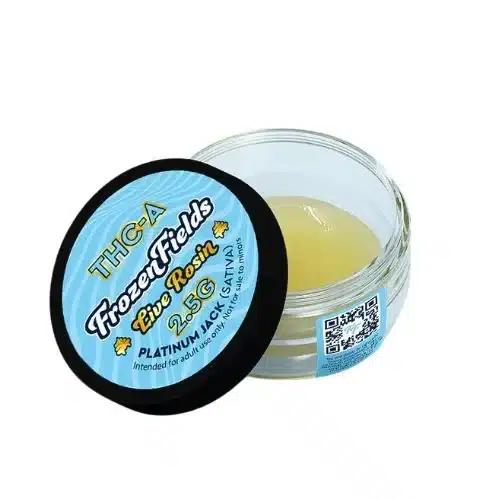
Frozen Fields THCA Live Rosin | 2.5g Solventless Concentrate
ConcentratesFrozen Fields THCA Live Rosin | 2.5g Solventless Concentrate
$49.95 Select options This product has multiple variants. The options may be chosen on the product page