Every vote helps us continue serving Orange/Chatham County, and your support means the world to our local team.
20% OFF URB Trippin Gummies (Buy 2+) ~ Use Code: trippin20off
Buy 1 Bhumi, get 25% OFF your 2nd item ~ Use Coupon Code: bhumi25off
Get 5 items For 15% OFF – Mix & Sav ~ Use Coupon Code: bfcm15off


Understanding how much Delta 8 gummies cost helps you shop smart and avoid paying too much for low-quality products. Prices for Delta 8 gummies vary widely based on potency, total milligrams per bottle, brand reputation, and lab testing standards.
At Carolina Hemp Hut, we want you to feel confident when choosing hemp-derived products. That means knowing how pricing works and what factors really impact cost — including ingredients, testing, and how much Delta 8 THC is in each gummy.
This guide walks through typical cost ranges, how to calculate price per milligram, why brands differ so much in pricing, and ways you can get the best value when buying Delta 8 gummies while keeping quality and compliance in mind.
Delta 8 Gummies Price Overview
Prices for delta 8 gummies vary based on mg per gummy, total mg per bottle, and brand quality. Compare price per milligram, bottle size, and potency when shopping.
Typical Price Ranges
Delta 8 gummies usually sell for $10 to $100 per bottle. Small bottles (100–300 mg) cost $10–$35. Mid-size bottles (500–1000 mg) run $30–$60. High-potency jars (1000 mg+) can reach $60–$100 or more.
Package size and potency matter. For example, a bottle with 20 gummies at 25 mg each contains 500 mg total. If that bottle costs $39.99, check the price per milligram. Sales and multi-bottle discounts can lower your cost per mg.
Average Price Per Milligram
Most delta 8 gummies cost $0.03 to $0.10 per milligram, with many mainstream brands around $0.05 per mg. Some cheaper options go as low as $0.014 per mg, while premium products can reach $0.12–$0.17 per mg.
To calculate the price per mg, divide the bottle price by the total delta 8 mg. For example: $39.99 ÷ 500 mg = $0.08 per mg. Use this to compare values across jar sizes, strengths, and product types.
Why Prices Vary Across Brands
Ingredients and testing raise costs. Brands using organic ingredients, full-panel lab tests, or specific extraction methods often charge more. Manufacturing methods and third-party lab results add transparency and can increase the price.
Potency and serving size also affect cost. A 50 mg gummy costs more per piece but may lower the price per mg. Marketing, flavor options, packaging, legality, and regional demand can all influence retail pricing. Some sellers offer discounts or promotions that change the final cost.
Major Factors Influencing Cost
Price differences come from potency, brand reputation, and package size. These factors explain most of the cost variation you see online and in stores.
Potency and Strength
Potency directly affects price per milligram. Higher-strength gummies, like 50 mg pieces, often offer better per-mg value than lower-strength ones. Stronger gummies use more Delta 8 THC extract, raising raw material costs and requiring extra testing for accurate dosing.
Stronger gummies can change how you dose. If you need 50 mg, buying 50 mg gummies may be cheaper than taking two 25 mg pieces. Think about your typical dose when calculating cost per use.
Brand Reputation and Quality
Trusted brands charge more because they invest in testing, safe extraction methods, and consistent manufacturing. High-quality gummies provide third-party lab results, clear ingredient lists, and reliable customer support, which adds to the price but lowers your risk.
Quality matters for safety and effect. Reliable brands use refined extraction methods and source from reputable hemp farms. Cheaper gummies may skip tests or use low-grade extracts, leading to inconsistent potency or impurities.
Paying more for reputation often means more reliable effects and fewer surprises. Look for GMP-certified facilities, visible lab results, and consistent customer reviews before choosing a brand.
Quantity and Package Size
Package size affects the per-milligram cost more than design does. Small trial packs (150–250 mg) usually cost more per mg. Bulk jars (400–1000+ mg) offer better value if you use gummies regularly.
Retailers price smaller packs higher to cover packaging and shipping costs. Buying a 1000 mg jar can lower the per-mg price by 20–50% compared to a 150 mg pack. Subscriptions and bundle deals can also reduce costs if you stick with one brand.
Consider shelf life and your usage. If you don’t consume gummies often, a large pack may go stale or lose potency. Choose a pack size that matches your use to avoid waste and get the best price.
Comparing Delta 8 Gummies With Other Delta 8 Products
Delta 8 gummies may cost more or less than other forms depending on dose, speed of effect, and how discreet you need the product to be. Gummies are easy to dose, slower to act, and often priced per mg between edibles and tinctures.
Delta 8 Gummies vs. Delta 8 Tinctures
Gummies provide a fixed dose per piece, making it easy to track your intake. Labels usually show mg per gummy and total mg per jar, so you can easily calculate price per mg.
Tinctures let you measure drops for flexible dosing. They usually act faster than gummies and can be more cost-effective at higher potencies. Gummies are flavored and portable, while tinctures mix well into drinks and allow for precise microdosing.
Delta 8 Gummies vs. Vape Cartridges
Vape cartridges deliver effects much faster than gummies, often within minutes. Because vaping increases bioavailability, you might need fewer mg for the same effect. Cartridges usually have a lower price per mg for larger volumes, but hardware and flavor quality add cost.
Gummies last longer—usually several hours—while cartridges provide quicker, shorter relief. Vaping may irritate the lungs and is less discreet. Choose cartridges for immediate relief and gummies for steady, long-lasting effects.
Gummies vs. Delta 9 THC Gummies
Delta 9 THC gummies produce stronger effects at lower doses than delta 8 gummies. Delta 9 gummies usually have lower mg counts per piece and may cost more per mg in regulated markets.
If you want milder effects, delta 8 gummies are a better fit. For stronger sedation, some people prefer delta 9 THC gummies. Legal status matters: delta 8 is federally available in many places, while delta 9 legality varies, affecting price and availability.
Check labels for total THC content and third-party lab results to compare potency, safety, and price per mg before you buy.
Price Comparisons of Popular Brands
Prices differ based on potency, total milligrams, and whether the product is on sale or bundled. Watch price per mg and check lab results before you buy.
Koi CBD
Koi CBD sells gummies in 25 mg pieces, with pack sizes of 6–20 pieces. A typical 150–500 mg jar costs $14–$40. Price per mg is usually $0.08–$0.09, which is higher than some brands but reflects consistent quality and flavor.
Look for third-party lab reports to confirm total delta‑8 mg. Koi sometimes offers discounts and seasonal sales, which can lower the per‑mg cost. Always compare the total mg to the price for the best value.
Delta Extrax
Delta Extrax offers higher‑potency gummies and tinctures, typically in 500–1000 mg bottles. Their gummies often cost about $0.04 per mg, making them an affordable choice. Prices are around $39.99 for a 1000 mg pack, which is competitive if you focus on cost per mg.
Check serving size and total mg to confirm your dose, and compare gummies with their cartridges or distillates if you want different onset times or dosing options.
Top Online Retailers
Major online retailers and delta‑8 shops offer brands like Koi CBD and Delta Extrax. Expect prices from $0.03–$0.10 per mg. Look for retailers that display price per mg and provide lab certificates for each product.
Retailers often have bundle deals, subscription discounts, or first‑time buyer codes that lower prices. Use total mg and price to calculate cost per mg and filter results to find the best value for your needs.
How to Get the Best Value for Delta 8 Gummies
Save money and avoid low-quality products by checking price per milligram, seller testing, and whether you buy online or in a store. Focus on clear pricing, COA availability, and the exact milligram total when comparing options.
Understanding Price Per Milligram
Check price per milligram to compare delta 8 costs across brands. Divide the pack price by the total D8 milligrams (for example, $40 ÷ 1000 mg = $0.04/mg). This method lets you compare different pack sizes easily.
Review Certificates of Analysis (COAs). If a COA lists actual D8 content and lab results, the price per milligram means more. Without testing, low prices might hide weak potency or contaminants.
Use this checklist to compare:
-
- Total D8 mg on label
-
- Price and shipping costs
-
- COA and lab date
Shopping Online vs. In-Store
Online shops usually offer lower unit prices and more brands, making it easier to find the best price per milligram. Use filters and sort-by-price tools to compare packs quickly. Watch for shipping fees and return policies that affect your final cost.
In-store shopping lets you inspect packaging and ask staff about testing and sourcing. Local shops may offer promotions or samples, but their per-mg price is often higher than online. Use your phone to check online prices and COAs while in the store.
Combine both methods: order trusted brands online for value, and use local stores for first-time trials or quick replacements.
Trends and Future of Delta 8 Gummies Pricing
Prices change due to demand, product innovation, and changing laws. Some brands lower per-milligram costs, while others add value with new blends or stricter testing.
Market Trends Impacting Cost
Larger brands and high-volume sellers often offer lower costs per mg. Retailers who buy bulk distillate can price gummies at $0.03–$0.07 per mg, while small makers may charge more for unique flavors or packaging.
Product blends like Delta-8 + CBD, sleep formulas, and nootropic gummies add ingredients and testing, raising costs. Packaging, third-party lab testing, and clear potency labeling also increase the retail price.
Online promotions and subscriptions can reduce your cost by 10–30%. Seasonal demand spikes, like holidays, may temporarily raise prices or create limited-edition runs with higher per-mg costs.
Regulatory Changes to Watch
Track federal and state actions because rules directly affect price. If a state requires stricter testing, licensing, or THC limits, manufacturers pass those compliance costs to buyers. For example, mandatory potency testing and waste disposal rules can add high yearly costs for producers.
Watch for changes in how delta-8 is classified. If regulators treat delta-8 like delta-9 THC, expect new licensing, age checks, and tighter supply controls that raise prices. Clear legal guidance that allows hemp-derived delta-8 with standard testing could stabilize or lower prices.
State-by-state bans or restrictions create patchwork markets. This volatility can cause shipping reroutes, inventory shortages, and price gaps between online sellers and local shops.
Finding Value Without Sacrificing Quality
Delta 8 gummies cost varies widely, but understanding why — from potency and package size to brand reputation and lab testing — helps you make smarter purchases. Calculating price per milligram and prioritizing transparent lab results shields you from cheap, unverified products that may disappoint or pose safety risks.
Carolina Hemp Hut is committed to helping you navigate price, quality, and safety with confidence. Whether you’re buying your first Delta 8 gummies or comparing brands, we emphasize clear labeling, independent lab testing, and informed choices that respect both your budget and well-being.
Explore our selection of lab-tested Delta 8 gummies in store or online, and use the tips in this guide to find the best value for your routine and your wallet.
Frequently Asked Questions
Find price ranges for different potencies and pack sizes. See typical costs for 25 mg and 50 mg gummies, 1000 mg packs, and tips for finding lower prices.
What is the price range for high-potency Delta 8 gummies?
High potency gummies (500 mg to 1000 mg per package or 40–100 mg per piece) usually cost $30 to $70. Branded or lab-tested options may reach $80 or more.
Can you tell me how much 1000mg Delta 8 gummies typically cost?
A 1000 mg package generally sells for $40 to $60, depending on brand, lab testing, and sales.
Where can I find affordable Delta 8 gummies for anxiety relief?
Check reputable online retailers during sales, sign up for discounts, or compare prices on aggregator sites. Larger packs from brands with third-party lab results offer better value.
What’s the average cost of Delta 8 gummies with a 25mg dosage?
25 mg gummies in small packs usually cost $1 to $2.50 per piece, or about $0.04 to $0.10 per mg, depending on package size.
How much would I expect to pay for Delta 8 gummies with 50mg strength?
50 mg gummies typically cost $1.50 to $3.50 per piece, or $0.03 to $0.07 per mg. Bulk packs lower the per-mg price.
Are there any cost-effective options for legally purchasing Delta 8 gummies?
Yes. You can find affordable hemp-derived Delta 8 gummies with COA lab reports from licensed CBD retailers. Subscriptions, bulk packs, and discount sites can help lower costs while maintaining quality and transparency.

Our Products
-
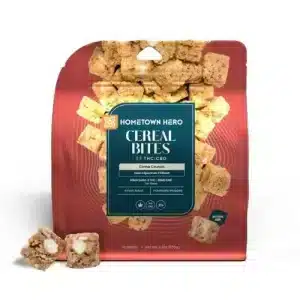
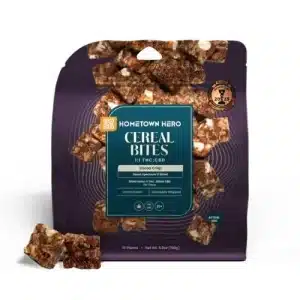
Hometown Hero Cereal Bites Cinna Crunch | Delta-9 THC + CBD
-
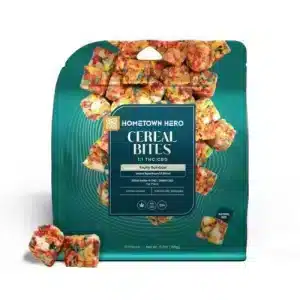
Hometown Hero Cereal Bites Fruity Rainbow | Delta-9 THC + CBD
-
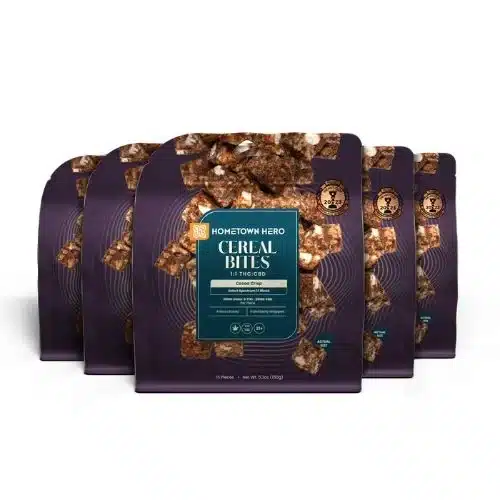
Hometown Hero Cereal Bites Cocoa Crisp | 1:1 Delta-9 THC + CBD
-
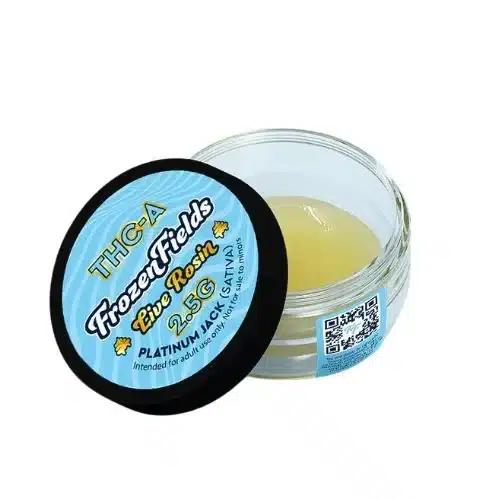
Frozen Fields THCA Live Rosin | 2.5g Solventless Concentrate
ConcentratesFrozen Fields THCA Live Rosin | 2.5g Solventless Concentrate
$49.95 Select options This product has multiple variants. The options may be chosen on the product page