Every vote helps us continue serving Orange/Chatham County, and your support means the world to our local team.
20% OFF URB Trippin Gummies (Buy 2+) ~ Use Code: trippin20off
Buy 1 Bhumi, get 25% OFF your 2nd item ~ Use Coupon Code: bhumi25off
Get 5 items For 15% OFF – Mix & Sav ~ Use Coupon Code: bfcm15off

THCA tinctures are becoming one of the most precise and versatile ways to explore cannabis benefits without the intoxicating effects of THC. By preserving cannabinoids in their natural, raw form, these tinctures allow users to experience potential anti-inflammatory, neuroprotective, and pain-relief properties without getting high.
At Carolina Hemp Hut, we provide access to carefully tested THCA tinctures crafted from premium hemp flower. Our focus is on purity, compliance, and quality — ensuring you receive safe and effective products that preserve THCA’s delicate structure.
This guide explores everything you need to know about THCA tinctures — from how they’re made and used to their potential therapeutic benefits, safe dosing, and how they compare with other cannabinoid products.
What Is THCA Tincture?
A THCA tincture is a liquid extract made from raw cannabis that keeps most of its tetrahydrocannabinolic acid (THCA) intact. You get a concentrated dose of THCA in a dropper bottle that you can take under the tongue or add to food and drinks.
Key Differences Between THCA and THC
THCA is the acidic precursor to THC. In the living plant, cannabinoids exist mainly as acids like THCA. When you heat THCA—by smoking, vaping, or baking—it loses a carboxyl group and converts into THC, the compound that causes a high.
THCA and THC have similar structures, but THCA has an extra carboxyl group. This changes how the body reacts. THCA binds differently to your endocannabinoid system and does not produce the same psychoactive effects as THC unless it’s decarboxylated.
When you use a THCA tincture, you usually avoid heat during extraction and storage to keep the molecule unconverted. This matters if you want the raw form of the cannabinoid and precise, lower-risk dosing for daily use.
The Non-Psychoactive Nature of THCA
THCA does not cause the classic “high” that THC gives you. In its raw form, THCA interacts weakly with brain receptors that drive psychoactive effects. You can take THCA tincture without the intoxication associated with decarboxylated THC.
Be careful with storage and use. If a THCA tincture is heated or mixed into hot food, some THCA can convert to THC and produce effects you might not expect. Check product labels and ask manufacturers how they test for residual THC.
People often choose THCA tinctures for potential cannabis benefits—like targeted dosing or topical use—without impairment. Legal rules may still treat THCA differently from THC, so verify local laws before buying or carrying tinctures.
Legal Guidelines for Hemp-Based Tinctures
The U.S. Department of Agriculture (USDA) oversees hemp production under the 2018 Farm Bill, which defines hemp as cannabis with less than 0.3% Delta-9 THC by dry weight. THCA tinctures must meet this requirement to remain federally legal.
However, state regulations differ, so always check local laws before buying or transporting THCA products.
How THCA Tincture Differs from THC and CBD Tinctures
THCA tinctures aim to preserve tetrahydrocannabinolic acid, while THC tinctures contain the decarboxylated, psychoactive form. CBD tinctures come from hemp varieties high in cannabidiol and low in THC/THCA. Each tincture targets different effects and legal categories.
Dosage and testing differ across types. THCA tinctures should list THCA concentration and any measured THC content. THC tinctures list THC potency and expected psychoactive dose. CBD tinctures list CBD levels and usually show negligible THC. Choose based on the effect you want: non-intoxicating raw cannabinoid (THCA), intoxicating THC, or the non-psychoactive CBD.
Extraction methods matter too. Producers use low-heat or cold ethanol/CO₂ processes to keep THCA intact. If oil or alcohol extraction involves heat, the product may contain more THC. Read lab reports to confirm which cannabinoids are present in your tincture.
Potential Benefits and Effects
THCa tinctures may help reduce inflammation, ease pain, and support brain health without causing a high when kept below decarboxylation temperatures. Effects typically target specific receptors and pathways rather than producing broad psychoactive changes.
Therapeutic Benefits of THCA Tincture
THCa tinctures offer targeted relief without intoxication. THCa interacts with receptors beyond CB1 and CB2, including nuclear receptors like PPARγ, which can influence inflammation and metabolism. Because tinctures absorb under the tongue, they can act faster than edibles and avoid heating that converts THCa into THC.
Start with a low dose and track how your body responds, especially if you take other medications. Look for lab-tested products that list THCa and delta‑9 THC levels so you avoid unintended psychoactive effects or legal issues.
Anti-Inflammatory and Analgesic Properties
THCa shows promise in lowering inflammation and easing pain. Studies suggest THCa can reduce inflammatory markers and may affect immune cell signaling. This can translate into lower joint swelling or reduced muscle soreness for some users.
For pain relief, THCa may act alongside the endocannabinoid system without strongly activating CB1 receptors, which lowers the chance of feeling high. You can apply tinctures sublingually for systemic relief or pair them with topical treatments for local pain management.
Neuroprotective Potential
THCa tinctures may offer neuroprotection. THCa can activate PPARγ, a receptor linked to mitochondrial support and reduced oxidative stress in brain cells. Animal studies indicate this pathway can slow neurodegeneration in models of Parkinson’s and Huntington’s disease.
While promising, human clinical data remain limited. Use THCa tinctures as a complementary approach only after discussing them with your healthcare provider, especially if you’re on medications that affect brain or immune function.
How THCA Tinctures Are Made
This section explains how producers pull THCA from plant material, why flower choice matters, and how oils affect taste and absorption. Learn the main extraction tools, what to look for in raw cannabis, and why carrier oils matter for potency and shelf life.
THCA Extraction Methods: CO2, Ethanol, and Others
CO2 extraction uses pressurized carbon dioxide to strip cannabinoids and terpenes from plant material.
You get a clean extract with preserved terpenes and flavonoids when operators run the machine at low temperatures. CO2 rigs cost more but give tight control over temperature and pressure, which helps keep THCA from turning into THC.
Ethanol extraction soaks raw cannabis in food-grade ethanol to pull out THCA, terpenes, and flavonoids. It’s faster and cheaper than CO2. Cold ethanol reduces chlorophyll and unwanted compounds, but proper winterization and filtration are required to keep the tincture smooth.
Other methods include solventless processes like rosin pressing and simple infusion into oils or alcohol at low heat. Rosin can yield high-THCA concentrate without solvents, but yields are lower. For a true non-decarboxylated THCA tincture, avoid heat during extraction so THCA stays intact.
Choosing the Right Cannabis Flower
Start with non-decarboxylated cannabis if you want THCA and not THC. Look for fresh, properly dried flower or THCA flower that lists cannabinoid and terpene profiles on a lab certificate. Higher THCA percentages on the COA mean a stronger tincture, while a rich terpene profile will influence taste and effect.
Avoid flowers with excessive stems, mold, or old material; those reduce potency and add harsh flavors. If you buy bulk, ask for COAs showing no pesticides and a clear cannabinoid breakdown. For full-spectrum tinctures, choose strains with complementary terpenes — for example, myrcene for relaxation or limonene for a brighter taste.
Importance of Carrier Oils in THCA Tinctures
Carrier oil affects mouthfeel, absorption, and shelf life. MCT oil is popular because it mixes well, tastes mild, and helps your body absorb cannabinoids faster. Olive oil or hemp seed oil can add flavor and nutrients, but may thicken or change storage needs.
Use a carrier oil that’s liquid at room temperature and has a neutral flavor if you want a smooth tincture. Oil-based tinctures must stay cool and dark to slowthe degradation of terpenes and THCA. Alcohol-based tinctures extract more terpenes and flavonoids but taste stronger and can convert THCA to THC if exposed to heat during processing.
Making and Using THCA Tincture at Home
Here’s a simple method to make a non-intoxicating THCA tincture, how to store it so it stays fresh, and how to dose safely and precisely for consistent effects.
Basic THCA Tincture Recipe Instructions
Start with non-decarboxylated, dried cannabis flower that is high in THCA. Use enough plant material to reach your target strength — a common small batch is 3.5 g of flower to 4–8 oz high-proof grain alcohol (150–190 proof). Keep both the flower and alcohol frozen overnight to reduce the extraction of chlorophyll and keep THCA intact.
Place the frozen flower in a glass jar and pour in cold alcohol to just cover the plant. Seal the jar and invert gently three times, chilling in the freezer for 5 minutes between each inversion. Strain through a coffee filter into a dark glass dropper bottle. If you want less alcohol, use a no-heat evaporation method until you reach the desired concentration.
Label the bottle with batch date, grams used, and approximate concentration. Store in a dark, cool place.
Tips for Proper Storage and Shelf Life
Use dark glass dropper bottles or amber jars to shield the tincture from light. Light speeds chemical change, which can reduce THCA over time. Keep tinctures in the refrigerator for best longevity; room temperature in a cool, dark cupboard is acceptable for several months.
Avoid plastic containers and metal lids that can react with alcohol. Keep the dropper clean. Typical shelf life: months to a year if kept cold and dark. If you see cloudiness, an odd smell, or mold, discard the tincture. Write the batch date and a simple strength note on the label so you can track potency over time.
Safety Considerations and Precise Dosing
Start low and go slow. THCA tinctures are non-intoxicating if not heated, but individual sensitivity varies. Begin with a small test dose — 1–2 drops — and wait 30–60 minutes to judge effects before increasing. Keep a dosing log to record dose size, time, and effects.
To estimate potency: calculate total mg THCA in your plant material (lab values are ideal), divide by final tincture volume in mL to get mg/mL. Use the dropper volume to convert mg/mL into mg per drop. Use clear labels showing mg/mL and mg per drop to dose precisely. Keep tinctures away from heat and open flames; alcohol-based tinctures are flammable.
Comparing THCA Tinctures to Other Cannabis Products
THCA tinctures provide non-psychoactive, easy-to-dose drops that work well under the tongue or mixed into food. They differ from raw THCA flower, THC tinctures, and other formulations in how you take them, how fast they act, and how you store them.
THCA Tinctures vs. THCA Flower
THCA flower is raw cannabis bud that contains natural THCA and terpenes. You can use it in smoothies, juiced drinks, or cold extractions. If you heat it, THCA turns into THC and becomes psychoactive. Dosing with flower can be imprecise unless you make an extract.
THCA tinctures let you measure exact drops per dose, making it easy to track milligrams. Tinctures last longer when stored in cool, dark places, while fresh flowers can dry out or lose terpenes. If you want whole-plant compounds and strong flavors, flower or live concentrates may be better. For quick, measured use without smoke, tinctures offer more convenience.
THCA vs. THC Tinctures
THCA tinctures usually do not get you high because THCA is not psychoactive until it turns into THC. THC tinctures, such as those from Papa & Barkley or Binoid, give clear psychoactive effects at set doses.
If you want relief from pain or inflammation without feeling high, THCA tinctures work well. For classic THC effects or an appetite boost, choose a THC tincture. Legal rules can differ for THCA and THC, so check local laws.
THCA Tinctures vs. Other Formulations
Other options include oils, distillates, edibles, and concentrates. Distillates and concentrates are very potent and often used in small doses, but can be harder to measure. Edibles mix THCA or THC into food, giving longer-lasting, delayed effects compared to tinctures.
Tinctures balance convenience and control. They are more discreet and portable than topicals and less messy than some concentrates. Sublingual tinctures act faster than edibles but slower than inhaled products. Pick the format based on how quickly you want relief and how precise you want dosing.
Final Thoughts on THCA Tinctures and Safe Use
THCA tinctures offer a measured, non-psychoactive way to experience the natural benefits of hemp without combustion or intense intoxication. When made properly and used responsibly, they can support wellness goals ranging from inflammation reduction to mood balance.
At Carolina Hemp Hut, we’re committed to providing THCA tinctures that meet strict safety and quality standards. Every batch is third-party tested for potency and purity, helping you find relief with confidence.
Visit our store to explore premium THCA tinctures and discover clean, effective options that fit your health and lifestyle goals.
Frequently Asked Questions
These answers cover benefits, legal and testing risks, expected effects from a 1000 mg bottle, how THCa differs from Delta‑8 and Delta‑9, where to buy it, and why some people don’t feel a high. Read each short answer for practical details.
What are the benefits of using THCa tinctures?
THCa tinctures let you take a measured dose without smoking. Many users report less inflammation and joint or muscle discomfort with regular, low-to-moderate doses.
You can use tinctures under the tongue for quick absorption or add drops to food or drinks. They are convenient, discreet, and easier to dose than flower or concentrates.
How does a THCa tincture differ from Delta 8 and Delta 9 tinctures?
THCa is non‑psychoactive until heated. Delta‑9 and Delta‑8 are already decarboxylated and cause psychoactive effects. Delta‑9 is usually stronger than Delta‑8.
THCa tinctures provide the plant’s acidic cannabinoid without a high, while Delta‑8 and Delta‑9 tinctures cause intoxication. Legal status and lab testing vary, so check product certificates and local laws.
Can THCa tincture usage result in a failed drug test?
Yes. THCa can turn into Delta‑9 THC when heated or metabolized, and some drug tests detect THC metabolites. Regular use raises the risk of a positive urine test.
If you need to pass a drug test, avoid THCa and any THC products. Keep receipts and COAs for your records, but they do not prevent a positive result.
What should I expect in terms of effects when taking a 1000mg THCa tincture?
A “1000 mg” label shows total THCa in the bottle, not per dose. Most servings are 1–10 mg, so effects depend on your dose.
Low doses may ease discomfort or shift mood without a strong high. Large doses or heating the tincture can cause psychoactive effects because THCa can become THC.
How can I find THCa tinctures available for purchase near me?
Check licensed dispensaries and hemp retailers in your area. Use store websites or maps and search for “THCa” or “raw cannabinoid” products.
Always ask for a current COA (certificate of analysis) showing cannabinoid levels and contaminants. If unsure, call the shop and ask which brands carry lab-tested THCa tinctures.
Is there a reason why THCa might not produce a high for some users?
Yes. THCa does not produce psychoactive effects until heat converts it into Delta‑9 THC, so taking it raw usually won’t cause a high. Individual biology also matters; people differ in metabolism and endocannabinoid system sensitivity.
Low doses, product purity, or inaccurate labeling can also reduce effects. To experience psychoactive effects, make sure the product is decarboxylated or contains active THC.

Our Products
-
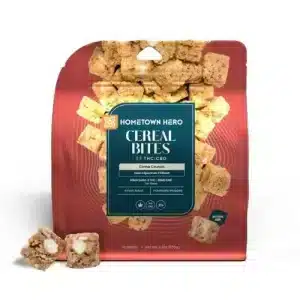
Hometown Hero Cereal Bites Cinna Crunch | Delta-9 THC + CBD
-
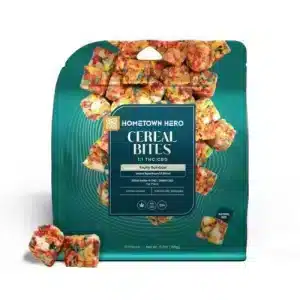
Hometown Hero Cereal Bites Fruity Rainbow | Delta-9 THC + CBD
-
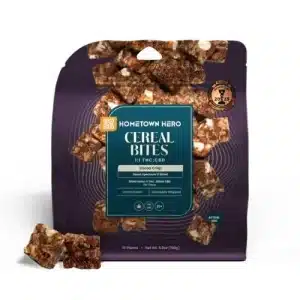
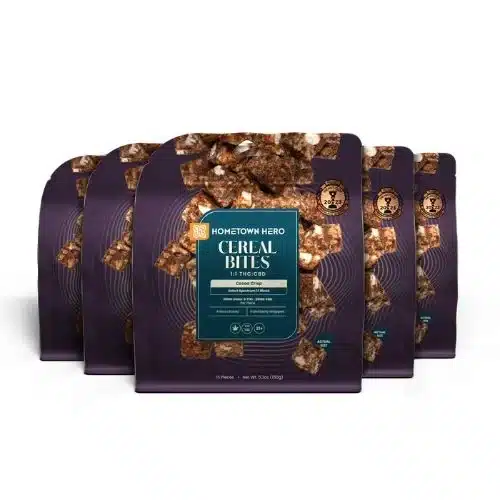
Hometown Hero Cereal Bites Cocoa Crisp | 1:1 Delta-9 THC + CBD
-
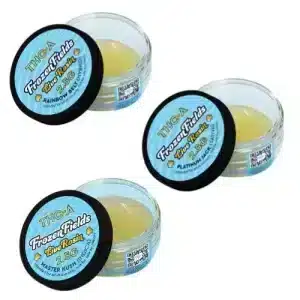
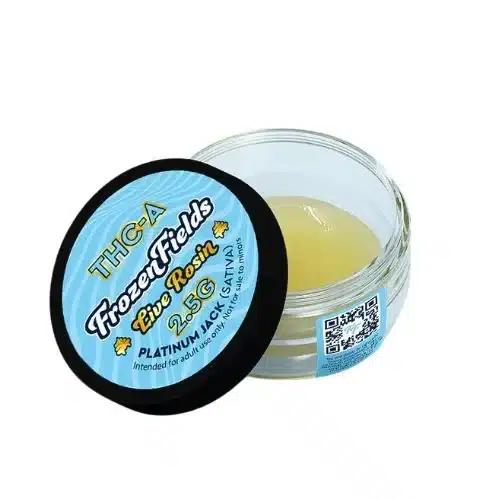
Frozen Fields THCA Live Rosin | 2.5g Solventless Concentrate
ConcentratesFrozen Fields THCA Live Rosin | 2.5g Solventless Concentrate
$49.95 Select options This product has multiple variants. The options may be chosen on the product page